

What Is the Meaning of Petition?
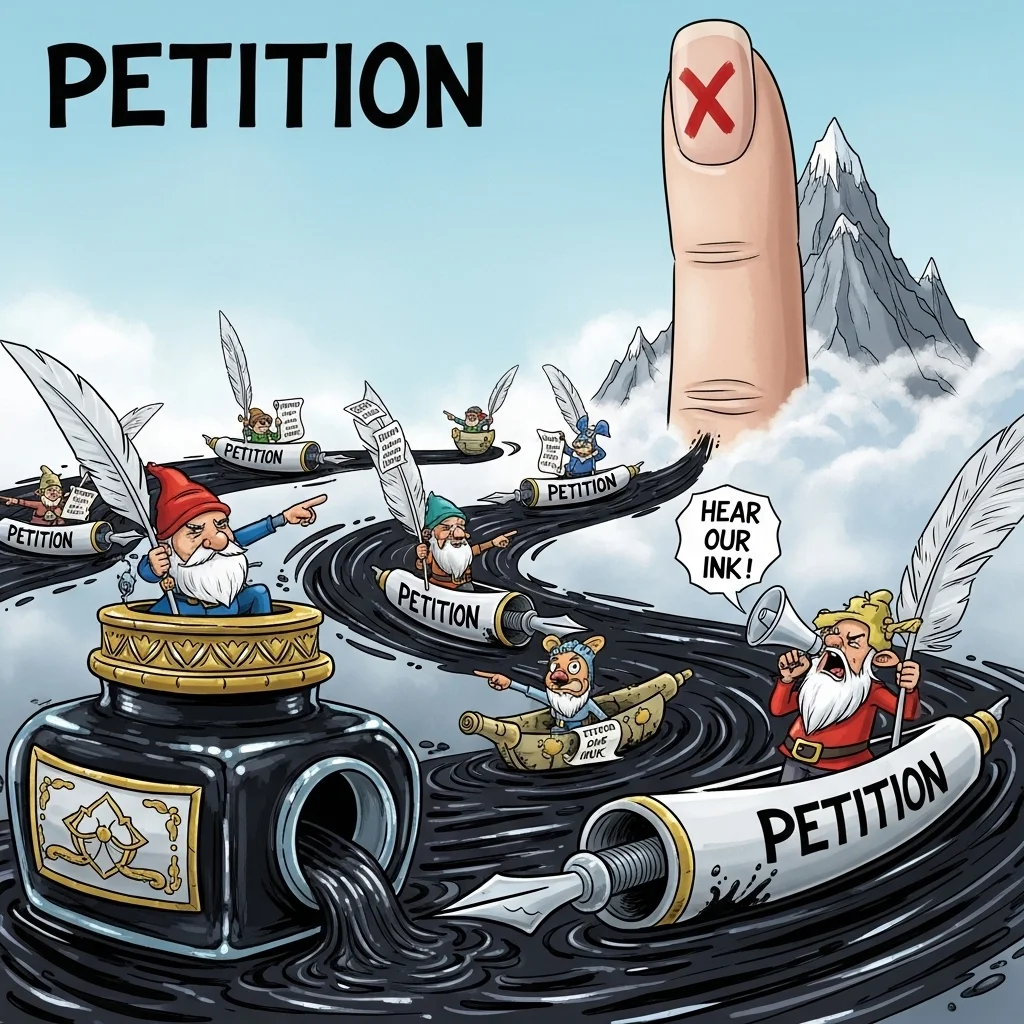
A petition is a formal request made to a person or authority, usually asking for change, action, or approval.
Petition Meaning in Simple Words
In simple terms, a petition is a written request where people ask for something they believe is important.
Petition as a Noun
As a noun, petition refers to the document or request itself that is submitted to an authority or organization.
Petition as a Verb
As a verb, to petition means to formally ask or request something, often in writing.
Purpose of a Petition
The main purpose of a petition is to raise an issue and seek action from someone in power.
Petition Meaning in Daily Life
In daily life, people may sign petitions to support social causes, school changes, or community improvements.
Petition Meaning in Law
In legal contexts, a petition is a formal request filed in court, such as a petition for appeal or review.
Petition Meaning in Politics
In politics, petitions allow citizens to express opinions, demand reforms, or influence government decisions.
Petition Meaning in Religion
In religious usage, a petition may refer to a request made during prayer.
Online Petition Meaning
An online petition is a digital form where people sign electronically to support a cause.
Petition vs Application
A petition requests change or action, while an application usually asks for permission or entry.
Petition vs Complaint
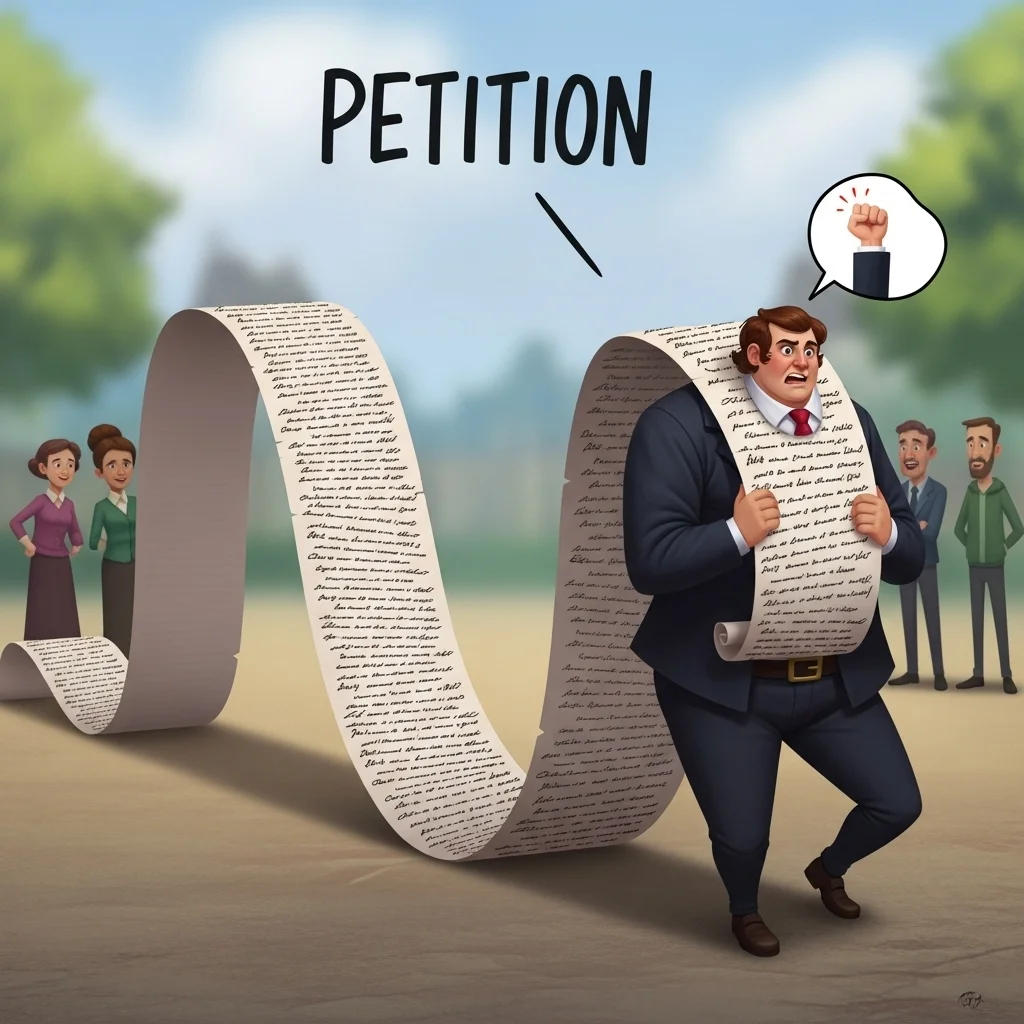
A petition seeks action or reform, while a complaint mainly expresses dissatisfaction.
Petition Meaning in Formal Writing
In formal writing, petition is used in serious and official contexts with clear language.
Common Types of Petitions
Common types include legal petitions, public petitions, school petitions, and online petitions.
Petition Meaning in Modern Usage
Today, petitions are widely shared through social media and digital platforms to gain support quickly.
Is Signing a Petition Important?
Signing a petition shows support and helps demonstrate public interest in an issue.
Common Misunderstandings About Petition
Some think petitions always lead to change. In reality, they only request action.
When Should You Use the Word Petition?
Use petition when referring to a formal request, especially in official or organized situations.
Simple Examples of Petition in Sentences
“They started a petition to improve road safety.”
“She filed a petition in court.”

Why Petition Is a Powerful Word
Petition is powerful because it represents collective voices asking for change.