
What Does Notice Period Mean?
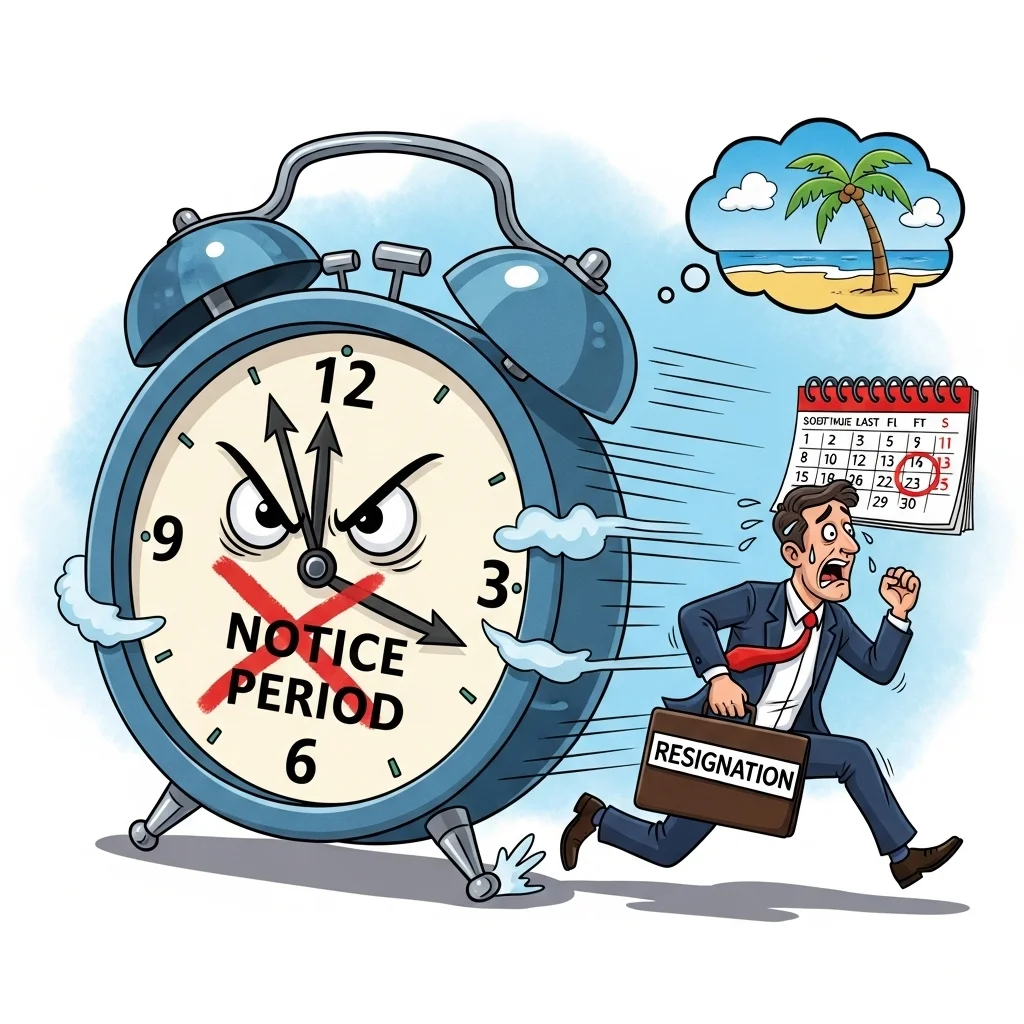
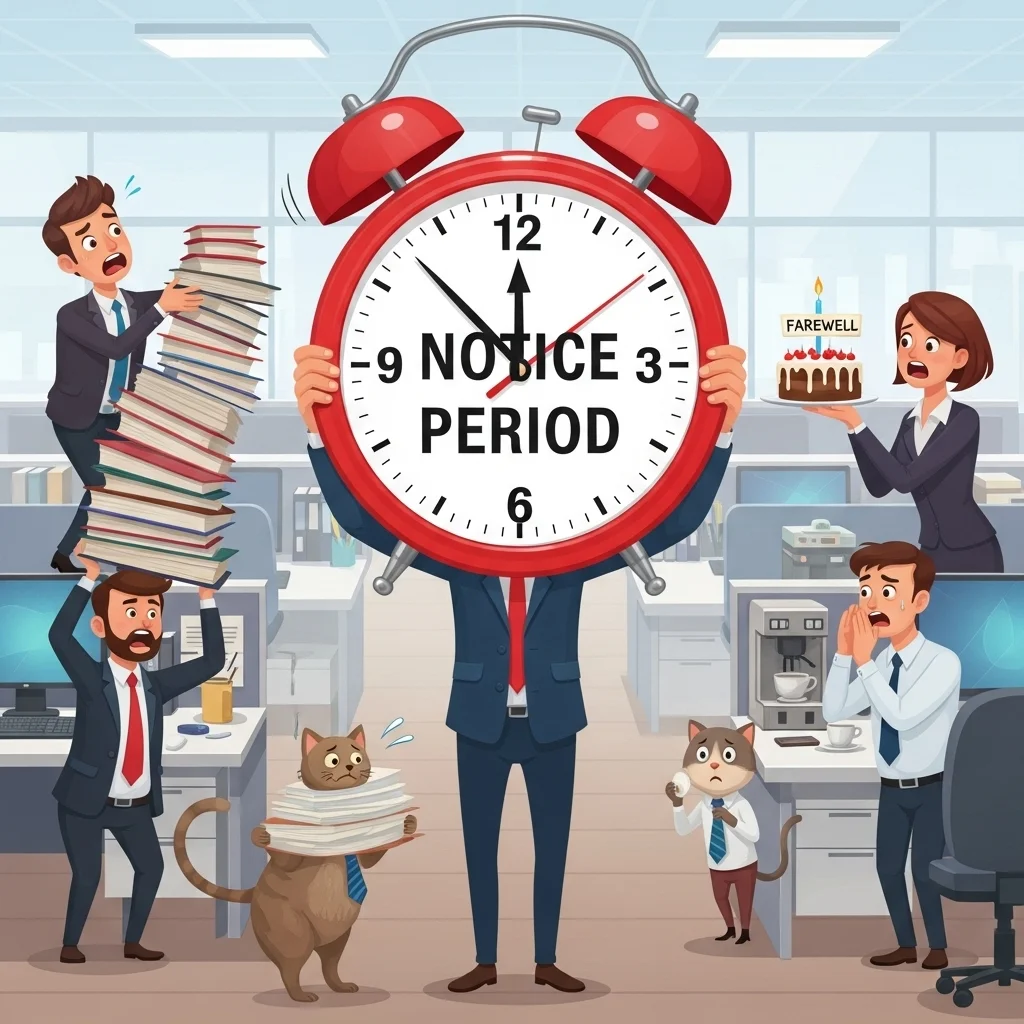
Notice period means the amount of time an employee or employer must give before ending a job. It is a transition period that allows both sides to prepare for the change.
Simple Definition of Notice Period
In simple words, a notice period is advance time given before leaving or ending a job. During this time, the employee usually continues working as normal.
Why Notice Period Exists
The notice period exists to:
Give employers time to find a replacement
Allow employees to prepare for their next job
Ensure smooth handover of responsibilities
Notice Period in Employment Contracts
Most companies clearly mention the notice period in the employment contract. It becomes a legal and professional obligation once both parties agree to it.
Notice Period for Employees
When an employee resigns, they are expected to serve the notice period. This shows professionalism and helps maintain a good relationship with the employer.
Notice Period for Employers
Employers may also be required to give notice before terminating an employee. This protects workers from sudden job loss.
Common Notice Period Durations
Typical notice periods include:
1 week
2 weeks
30 days
60 days
90 days
The duration depends on company policy and job role.
Notice Period Meaning in Daily Work Life
In daily work life, notice period means you are still officially employed even after resigning, until the notice period ends.
Notice Period vs Resignation Date
The resignation date is when you submit your resignation. The notice period starts after that and ends on your final working day.
Paid Notice Period Explained
In most cases, employees are paid during the notice period because they are still working and fulfilling their duties.

Notice Period Buyout Meaning
A notice period buyout means paying money instead of serving the full notice period. This is allowed only if company policy permits it.
What Is Immediate Notice Period?
Immediate notice period means the job ends right away, without serving time. This usually happens in special situations or mutual agreement.
Notice Period During Probation
During probation, notice periods are often shorter. Some companies allow immediate resignation during this phase.
Notice Period Meaning in Labor Laws
In many countries, labor laws define minimum notice periods to protect both employees and employers from unfair practices.
Can Notice Period Be Waived?
Yes, notice periods can sometimes be waived if both the employer and employee agree to it.
Consequences of Not Serving Notice Period
Not serving the notice period may result in:
Loss of salary
Negative employment record
Difficulty getting experience letters
Notice Period for Government Jobs
Government jobs often have stricter notice period rules, and resignation usually requires formal approvals.
Common Misunderstandings About Notice Period
Many people think notice period means “extra work time.” In reality, it is part of your job responsibility, not an extension.
Notice Period in Modern Work Culture
With remote work and flexible jobs, some companies now offer shorter or negotiable notice periods.
How to Serve Notice Period Professionally
To serve notice professionally:
Complete handovers properly
Maintain work quality
Communicate clearly with your team

Why Understanding Notice Period Is Important
Knowing the notice period meaning helps you:
Avoid legal issues
Plan career moves better
Maintain professional relationships