
What Does Quell Meaning?
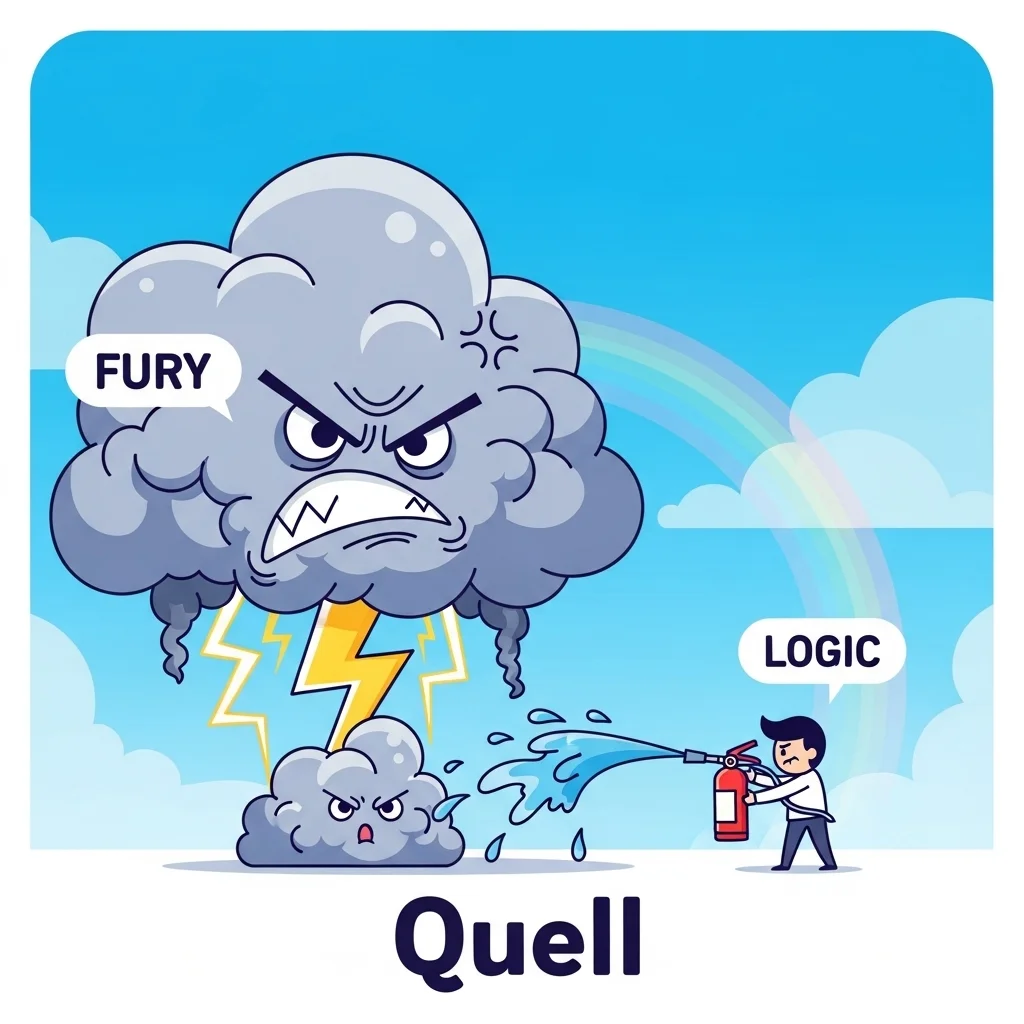
Quell means to put an end to something, usually by force or authority, or to calm or reduce strong emotions.
Quell Meaning in Simple Terms
In simple terms, quell means to stop, suppress, or calm something—like fear, anger, a rebellion, or unrest.
Quell as a Verb
Quell is a verb. Example:
“The police quelled the protest.”
“She quelled her fear before speaking.”
Quell Meaning in Daily Life
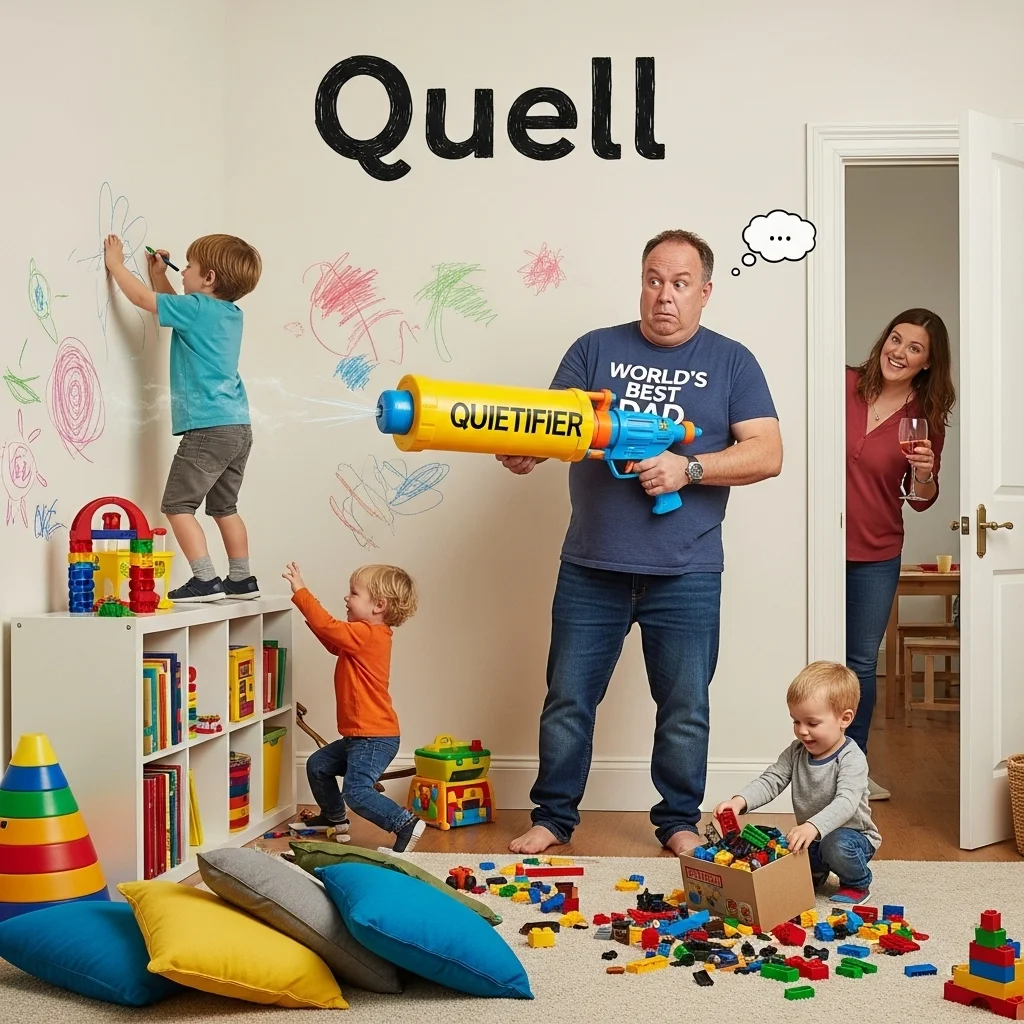
In daily life, you might use quell to describe calming a stressful situation or reducing worries.
Quell in Emotions
Quell is often used to describe calming or controlling strong feelings, like fear, anger, or panic.
Example: “He quelled his anxiety before the presentation.”
Quell in Conflicts
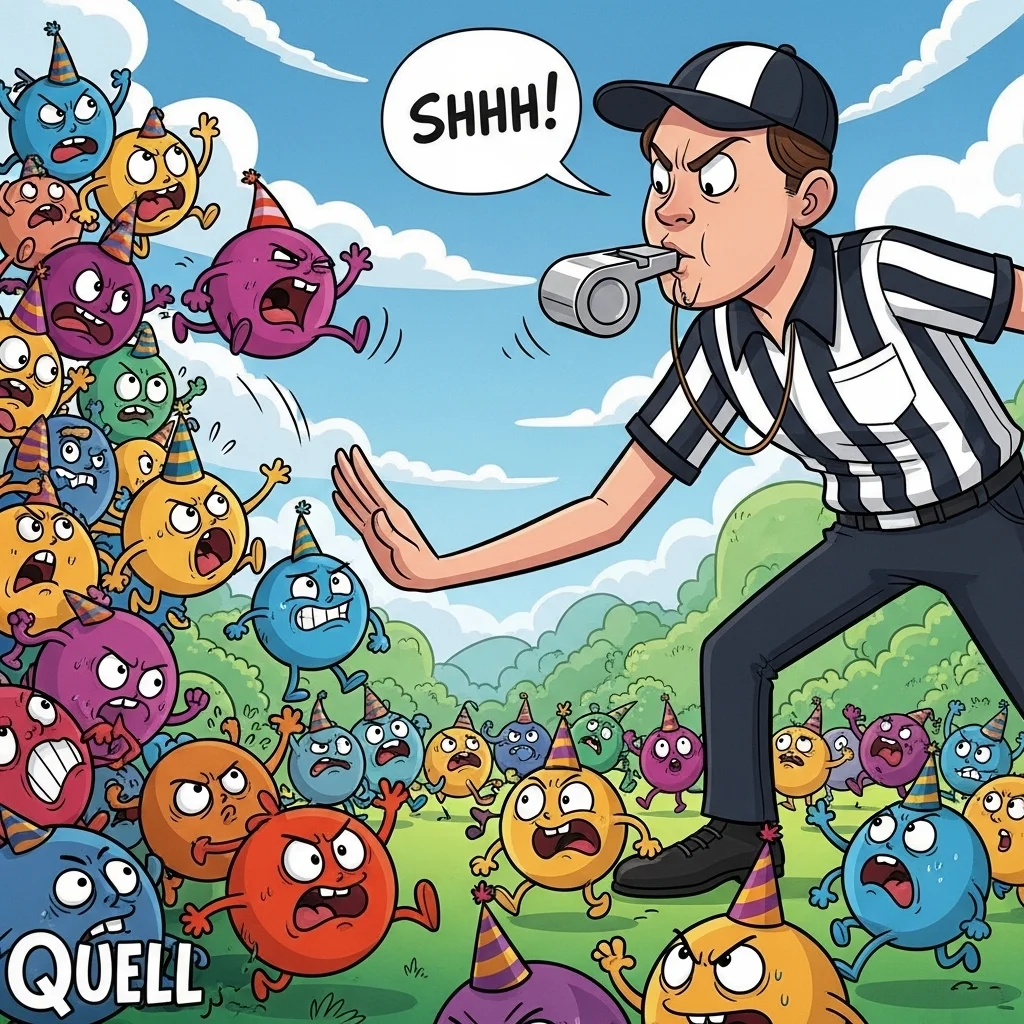
Quell is also used when ending disturbances, arguments, or rebellions, often implying authority or control.
Example: “The government quelled the uprising quickly.”
Quell in Literature
Writers use quell to create vivid descriptions of controlling emotions or resolving tension in stories.
Quell vs Suppress
Both words involve control, but quell often refers to calming or ending external or internal turmoil, while suppress usually refers to holding back emotions or desires.
Quell vs Calm
Calm is more gentle, while quell implies active intervention to stop something stronger or potentially dangerous.
Quell in News Media
News outlets use quell to describe authorities controlling protests, violence, or unrest.
Quell Meaning in Politics
In politics, quell may refer to efforts to reduce dissent or manage social unrest.
Quell in Modern English
In modern English, quell is used both literally (ending disturbances) and figuratively (reducing fears or doubts).
Quell in Emotions
Quell is often used to describe calming or controlling strong feelings, like fear, anger, or panic.
Example: “He quelled his anxiety before the presentation.”
Quell in Professional Writing
In professional writing, quell adds a formal and authoritative tone when describing problem-solving or conflict management.
Quell as an Expression of Control
Quell often conveys power, authority, or effectiveness in handling challenges.
Quell in Historical Context
Historically, quell has been used to describe governments or armies ending rebellions, riots, or uprisings.
Common Misunderstandings About Quell
Some people confuse quell with ignore or avoid, but it usually implies actively stopping or controlling something.
Quell in Psychology
In psychology, quell can describe techniques used to calm stress, fear, or anxiety.
How to Use Quell in Sentences
“The teacher quelled the classroom chaos.”
“Meditation helped her quell her nervous thoughts.”
“The army quelled the revolt efficiently.”
Quell and Its Tone
Quell is generally formal, serious, and authoritative. It is less casual than words like “calm” or “stop.”