
What Does Backup Withholding Meaning?
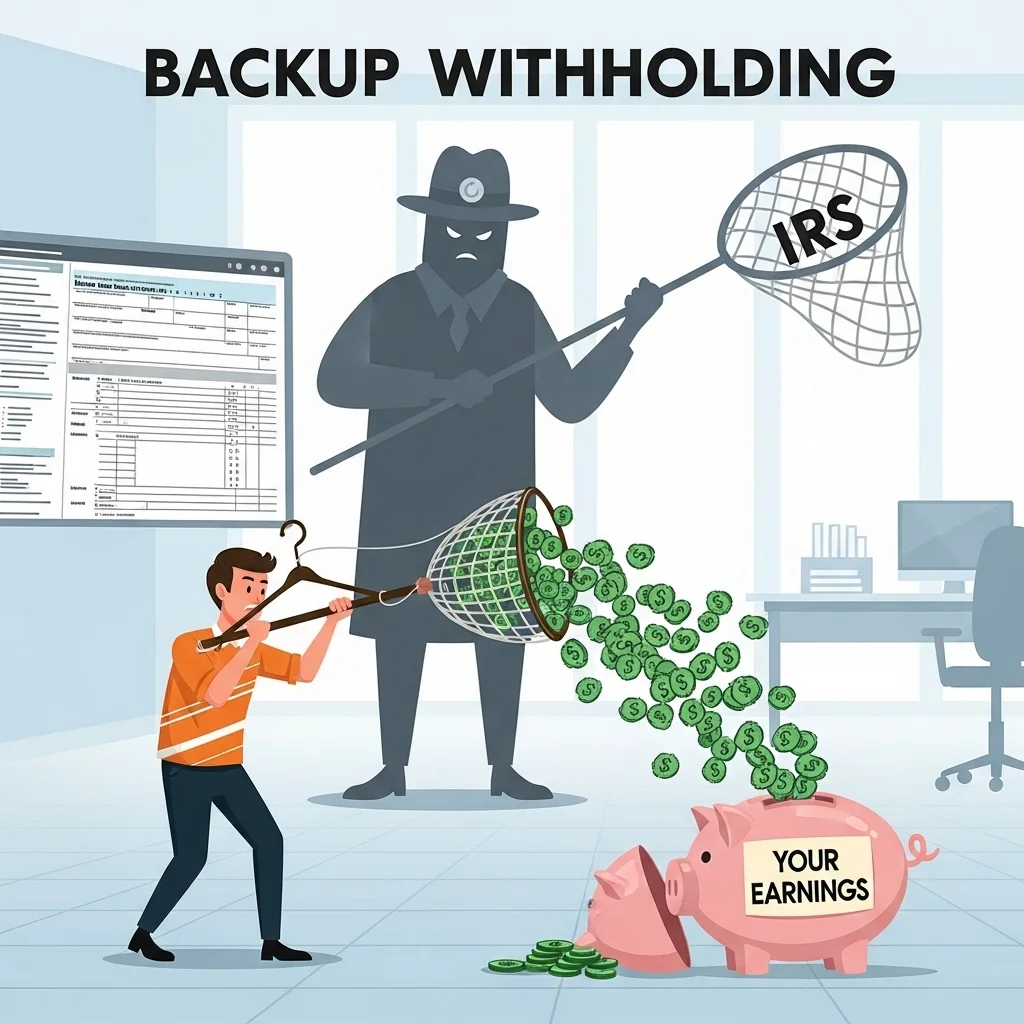
Backup withholding is a tax mechanism in the United States where a payer withholds a percentage of certain payments and sends it directly to the IRS. This happens when a taxpayer hasn’t provided the correct taxpayer identification number (TIN) or is otherwise at risk of underpaying taxes.
How Backup Withholding Works
Typically, the payer—such as a bank, employer, or financial institution—deducts a flat percentage (currently 24% in most cases) from payments like interest, dividends, or freelance income. The withheld amount goes to the IRS to ensure taxes are eventually paid.
Payments Subject to Backup Withholding
Common payments include:
Interest from banks or savings accounts
Dividends from stocks or mutual funds
Independent contractor or freelance payments
Certain government payments and pensions
When Backup Withholding Applies
Backup withholding may be required if:
Your TIN or Social Security Number (SSN) is missing or incorrect
You’ve underreported interest or dividends in the past
The IRS notifies a payer to begin withholding due to unpaid taxes
Percentage of Backup Withholding
Currently, the IRS requires 24% of certain payments to be withheld for backup withholding meaning. This ensures that taxes owed are collected upfront.
Backup Withholding vs. Regular Withholding
Unlike standard income tax withholding from a paycheck, backup withholding meaning applies to non-employment income. It’s a safety measure to make sure the government receives tax payments from potentially underreported income.
Why It Exists
The main purpose of backup withholding meaning is to prevent taxpayers from avoiding taxes. If a person fails to provide correct information, the IRS ensures some tax is collected automatically.
How to Avoid Backup Withholding
Provide a correct TIN or SSN to payers
File all required tax forms (e.g., Form W-9) accurately
Respond promptly if the IRS sends notices about underreporting
Impact on Freelancers and Contractors
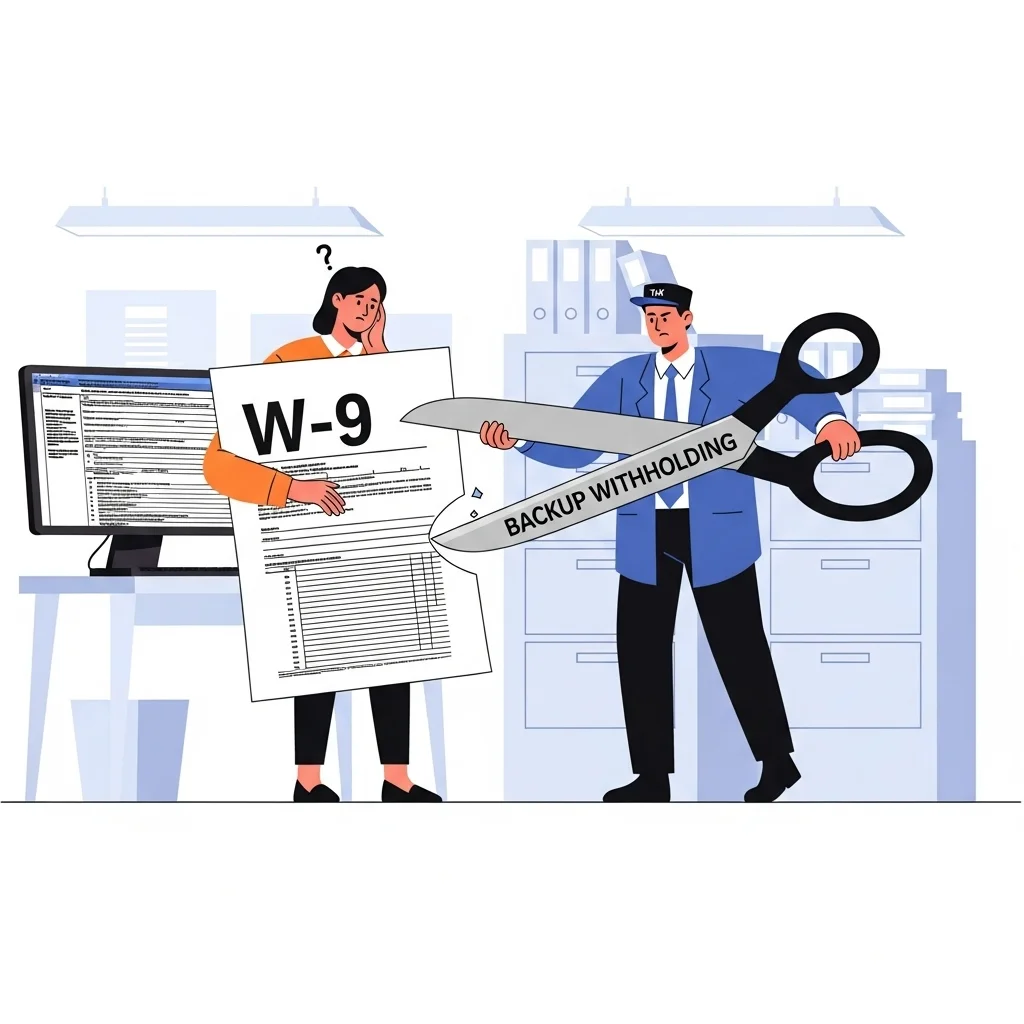
Freelancers or independent contractors can face backup withholding if they fail to submit a correct W-9 form to clients. This can reduce take-home pay but ensures taxes are collected properly.

Impact on Investors
If you invest in stocks, mutual funds, or bonds, backup withholding may apply to your dividends or interest payments if your account information is incorrect or missing.
Reporting Backup Withholding on Taxes
Even if backup withholding occurs, it’s credited when filing your tax return. You won’t pay extra taxes; the withheld amount counts toward your overall tax liability.
Common Misunderstandings About Backup Withholding
It’s not a penalty – It’s a tax collection method.
It’s not permanent – Correcting your information stops further withholding.
It applies only in certain situations – Most people with proper forms never experience it.
IRS Forms Related to Backup Withholding
Important forms include:
Form W-9: Provides correct TIN to payer
Form 1099: Reports payments subject to backup withholding
Form 945: Payers use to report and deposit withheld amounts
Backup Withholding on Interest
Banks and financial institutions withhold 24% of interest payments if backup withholding rules apply. Proper account information usually avoids this.
Backup Withholding on Dividends
Stockholders or mutual fund investors may experience backup withholding if TIN or account details are missing or incorrect.
Resolving Backup Withholding Issues
To stop or correct backup withholding:
Submit accurate TIN/SSN
Update your W-9 with payers
Respond to IRS notices
Backup Withholding for Small Businesses
Small business owners paying independent contractors must ensure correct TINs to avoid having backup withholding applied to their payouts.
Modern Usage of Backup Withholding
Today, backup withholding is common in digital finance, online freelancing, and investment platforms. Ensuring accurate information online prevents unnecessary withholding.

Synonyms and Related Terms
While there’s no direct synonym, related concepts include: tax withholding, income tax prepayment, and IRS withholding.