
What Does Duh Mean?
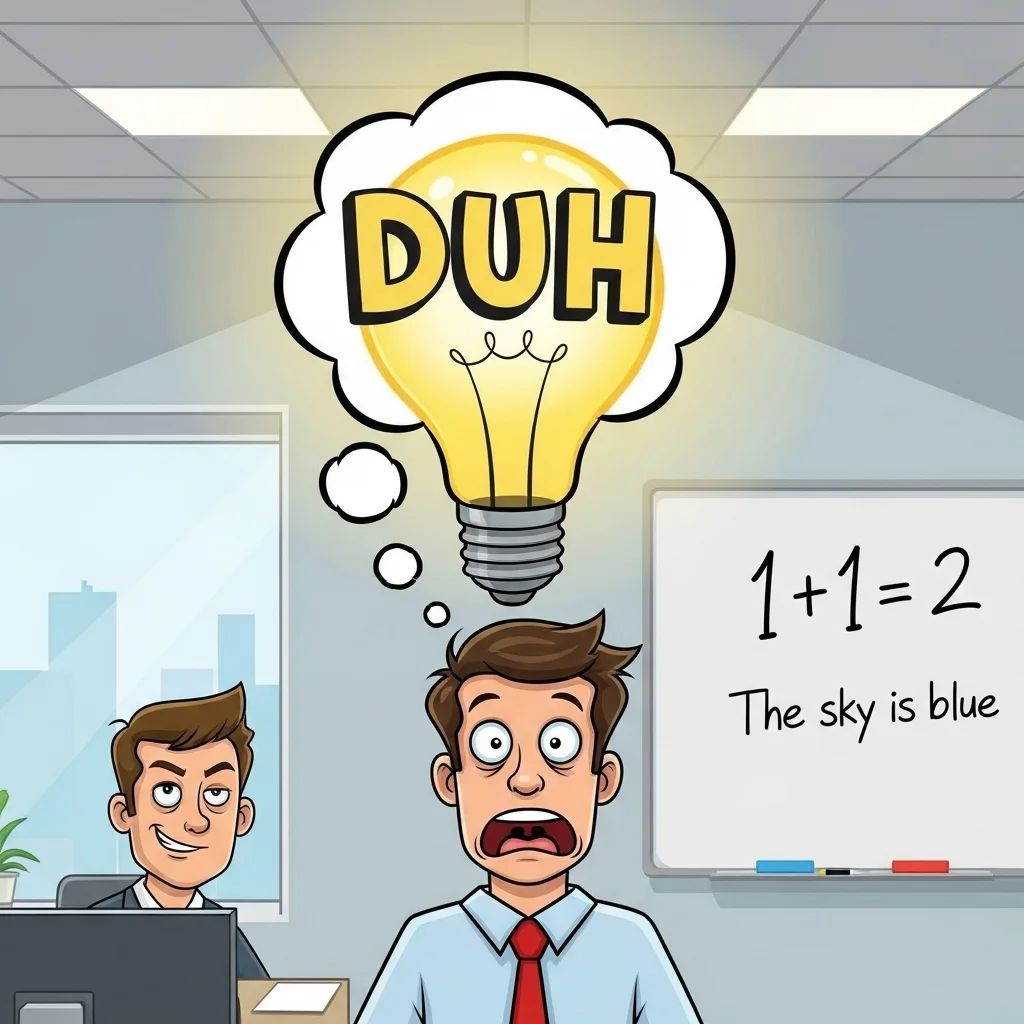
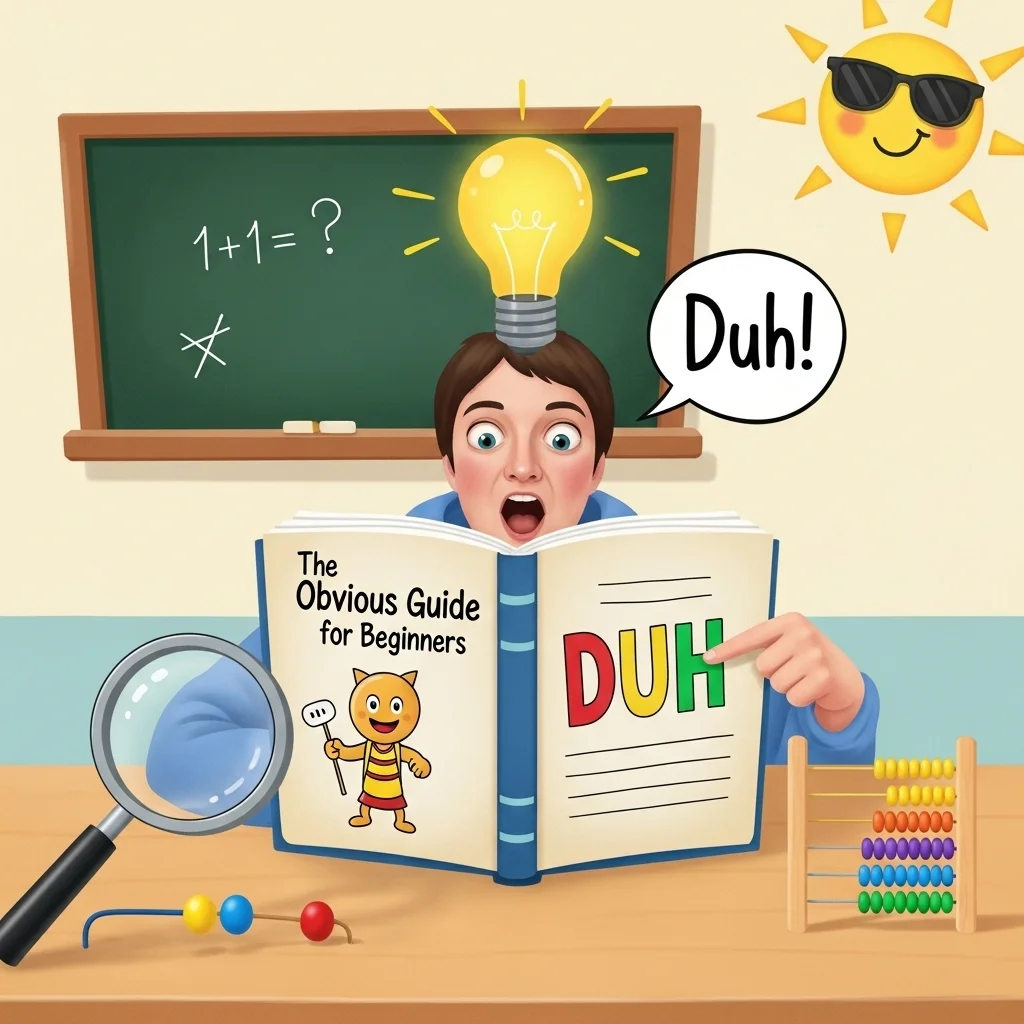
Duh is an informal expression used to say that something is obvious, self-evident, or should already be known. It often reacts to a question or statement that seems unnecessary.
Duh Meaning in Simple Words
In simple terms, duh means:
“Of course,” “obviously,” or “that’s very clear.”
Duh in Daily Conversation
People use duh in casual speech to respond quickly.
Example:
“Is water wet?”
“Duh.”
This suggests the answer is obvious.
Emotional Tone of Duh
The tone of duh can change depending on how it’s said:
Playful: Friendly teasing
Sarcastic: Mild annoyance
Rude: Mocking or dismissive
Tone matters more than the word itself.
Is Duh a Slang Word?
Yes, duh is slang. It is informal and should be avoided in professional or formal communication.
Duh in Modern Usage
Today, duh is widely used in:
Social media comments
Text messages
Movies and TV shows
Casual conversations
It is often used for humor or emphasis.
Duh in Texting and Online Chats
In texts, duh may appear alone or with emojis or punctuation to exaggerate tone, such as “duh!” or “duh 🙄”. The extra symbols usually increase sarcasm.
Duh vs Similar Expressions
Obviously: More polite and formal
Of course: Neutral and respectful
No kidding: Casual, less rude
Duh is the most informal and blunt option.
When Duh Can Be Rude
Duh can sound insulting when used:
Toward strangers
In serious discussions
In response to genuine questions
It can make someone feel embarrassed or dismissed.
When Duh Can Be Harmless
Duh is often harmless when:
Used jokingly among friends
Used in light conversations
The tone is clearly playful
Common Misunderstandings About Duh
It is not always an insult
It depends heavily on tone
It is not suitable for all situations
Duh in Movies and Pop Culture
Characters often say duh to sound confident, sarcastic, or humorous. It is commonly used to exaggerate how obvious something is.
Duh in Humor
Comedians use duh to create humor by pointing out obvious truths or mocking overthinking.
Cultural Understanding of Duh
In English-speaking cultures, duh is widely understood, but non-native speakers may mistake it for a neutral response when it can sound rude.
Duh vs Being Mean
Using duh doesn’t always mean someone is being mean, but it can come across that way if the listener feels judged or talked down to.
How to Use Duh Safely
If you choose to use duh:
Use it with people you know well
Keep the tone light
Avoid serious or sensitive topics
Alternatives to Duh
More polite alternatives include:
“Of course”
“Obviously”
“Yes, that’s right”
Duh in Writing
Duh is rarely used in formal writing. It appears mostly in dialogue, fiction, or casual online content.
Why Duh Is So Popular
The word is short, expressive, and instantly communicates attitude, making it popular in fast conversations and online speech.
Summary of Duh Meaning
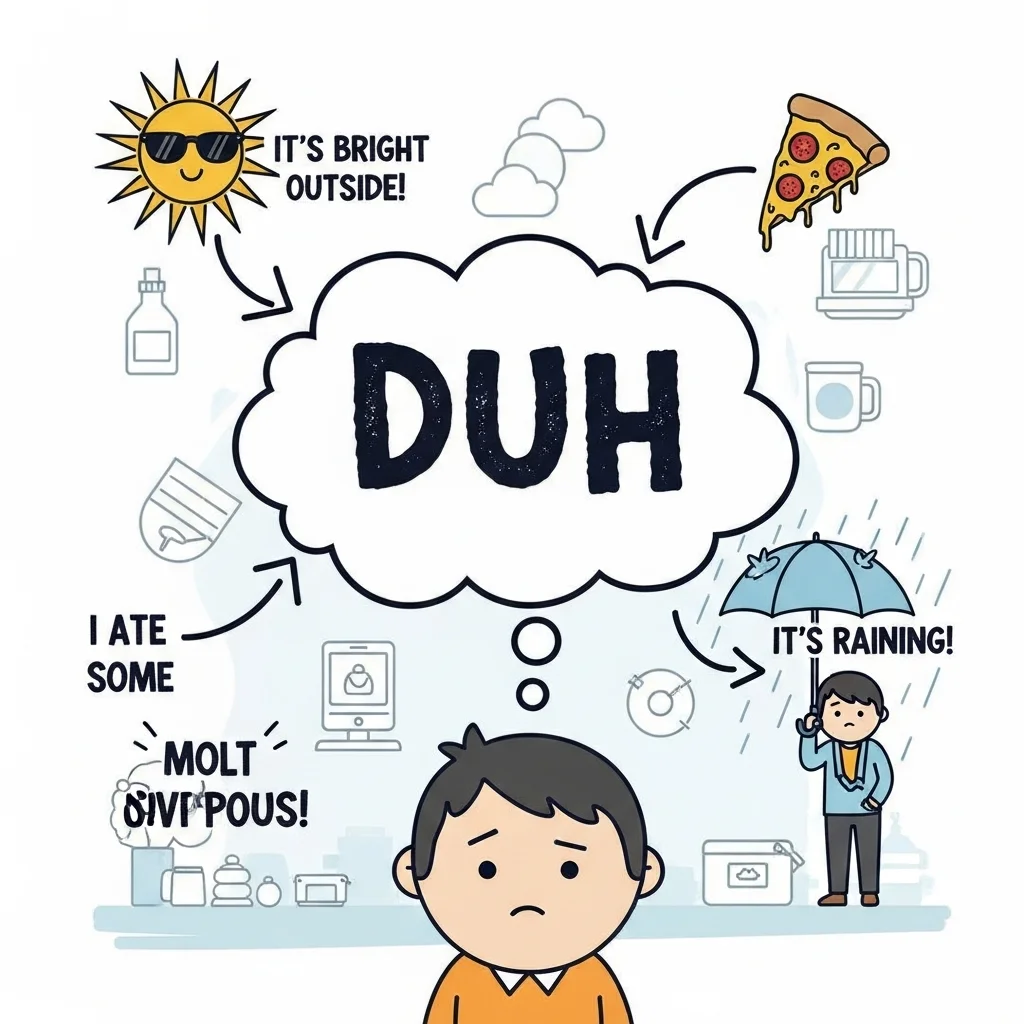
Duh is a casual expression used to say something is obvious. It can be funny, sarcastic, or rude depending on context and tone.