
What Does Et Tu Mean?
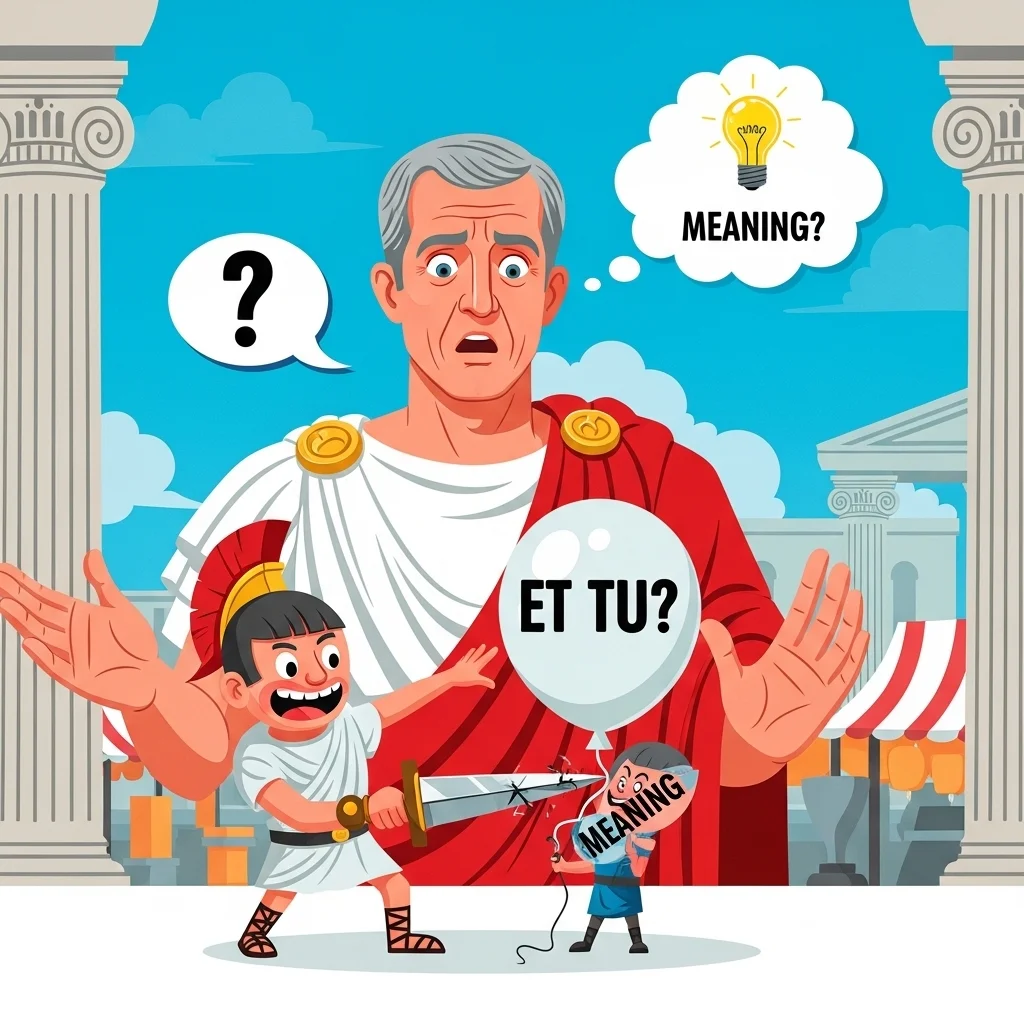
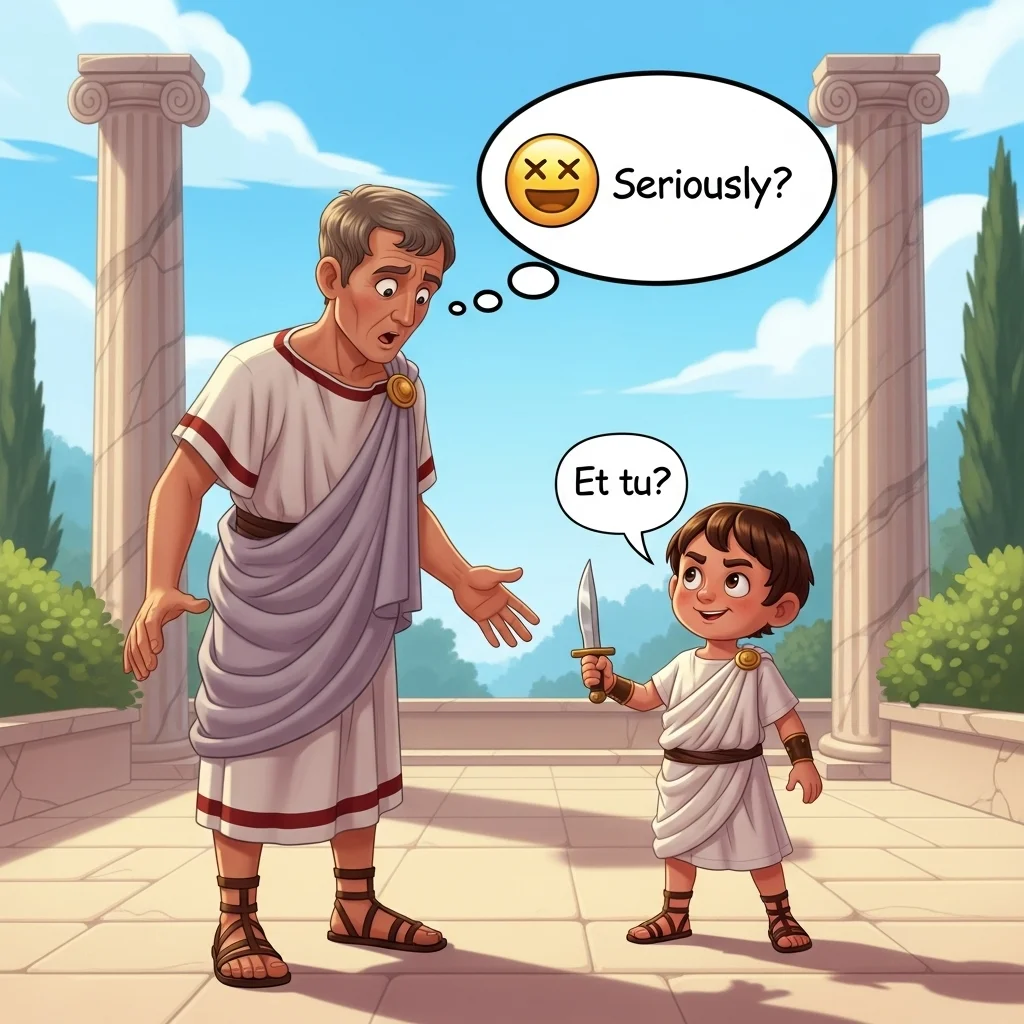
Et tu is a Latin phrase that translates to “and you” in English. It is used to express surprise or betrayal when someone unexpected turns against you.
Et Tu Meaning in Simple Words
In simple terms, et tu means:
“You too?” or “Even you?”
It shows disappointment or shock.
Origin of the Phrase Et Tu
The phrase comes from Latin and became famous through literature, especially ancient Roman history and classical writings.
Et Tu in Famous Literature
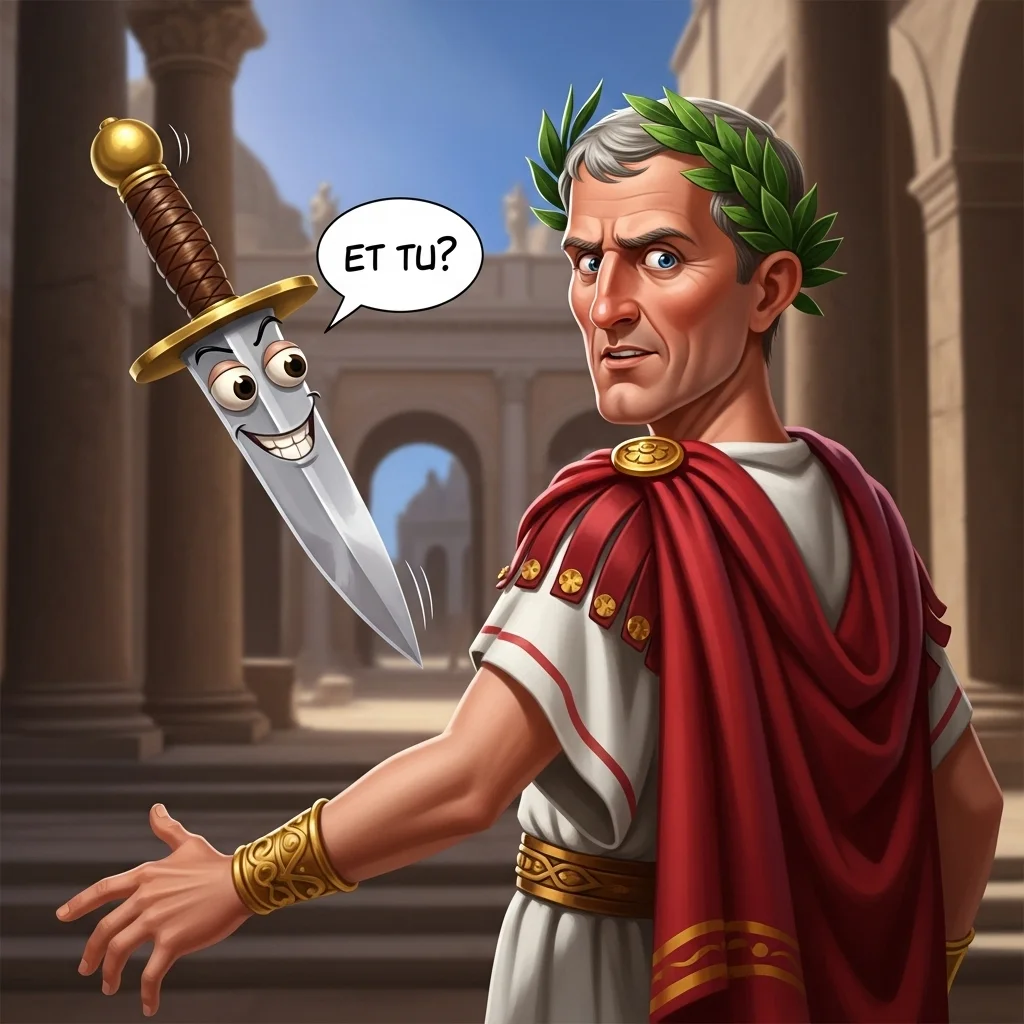
The most famous use is “Et tu, Brute?”, attributed to Julius Caesar when he saw Brutus among his attackers. This line symbolizes deep betrayal by a trusted person.
Et Tu Meaning in Daily Life
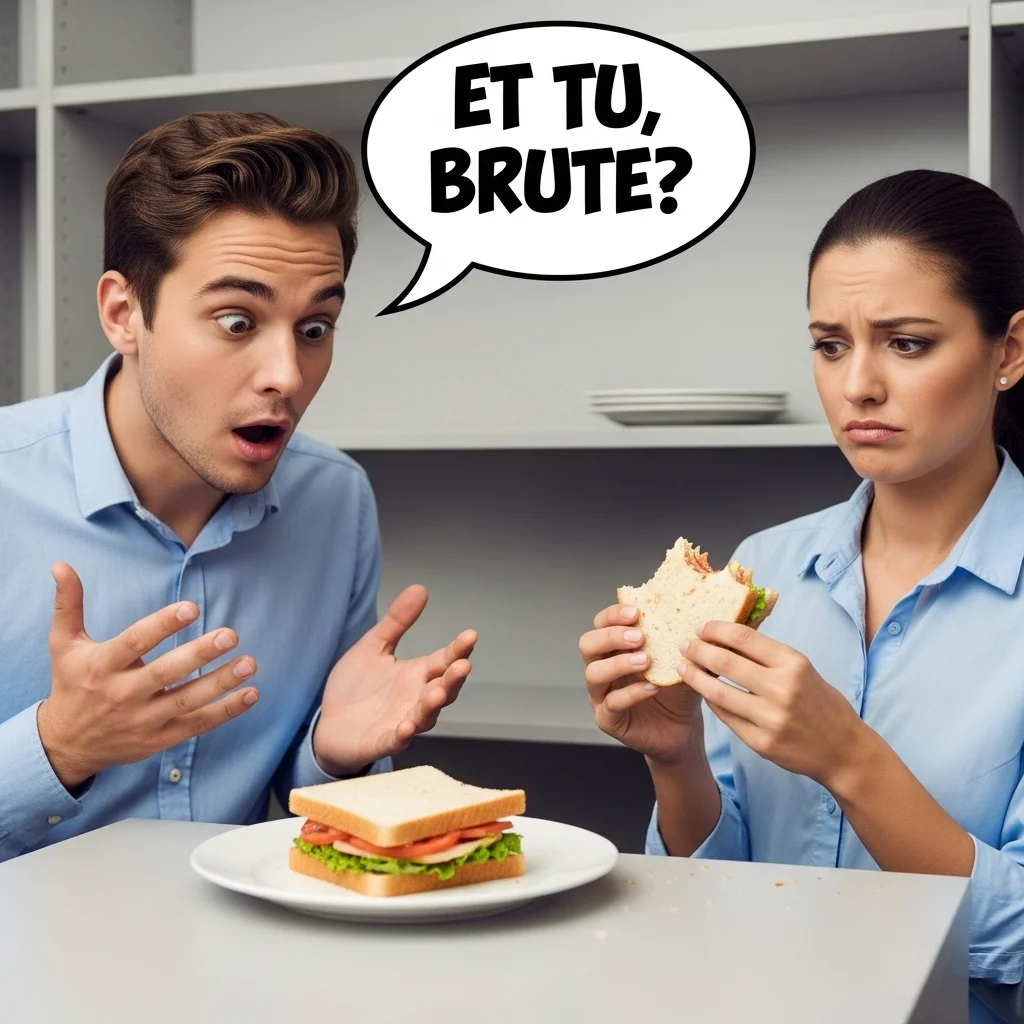
In everyday speech, people use et tu to jokingly or seriously express surprise when someone joins in criticism or betrayal.
Example:
“You canceled on me too? Et tu?”
Emotional Tone of Et Tu
The phrase often carries emotions such as:
Shock
Sadness
Betrayal
Disbelief
Et Tu in Modern Usage
Today, et tu is used mostly in:
Humor
Sarcasm
Literary references
Social media captions
It is rarely used in serious spoken conversation.
Is Et Tu Formal or Informal?
Et tu is informal in modern usage, even though it comes from classical Latin. It is mainly used for stylistic or dramatic effect.
Et Tu vs Et Tu, Brute
Et tu: Means “you too”
Et tu, Brute: A full dramatic expression of betrayal
The shorter version relies on shared cultural understanding.
Et Tu in Movies and Pop Culture
Movies and shows often use et tu to quickly show betrayal, sometimes humorously, without explaining the full story.
Et Tu in Humor
Many people use et tu jokingly when a friend teases them or disagrees unexpectedly. Tone makes it lighthearted rather than serious.
Common Misunderstandings About Et Tu
It is not a curse or insult
It is not modern slang
It does not mean anger by itself
Et Tu in Writing
Et tu is commonly used in:
Creative writing
Headlines
Quotes
Essays
It is rarely used in professional documents.
Cultural Understanding of Et Tu
English speakers recognize et tu mainly through education, literature, and popular culture rather than daily conversation.
Et Tu and Betrayal Symbolism
The phrase has become a symbol of unexpected betrayal, even when used humorously.
When Not to Use Et Tu
Avoid using et tu:
In formal business writing
With people unfamiliar with the reference
In serious or sensitive discussions
Alternatives to Et Tu
Modern alternatives include:
“You too?”
“Even you?”
“I didn’t expect that from you”
Why Et Tu Is Still Popular
The phrase remains popular because it is short, dramatic, and instantly understood by many people familiar with classic references.
Summary of Et Tu Meaning
Et tu means “you too” and is commonly used to express surprise or betrayal, often in a dramatic or humorous way.