
What Does Accommodations Mean?
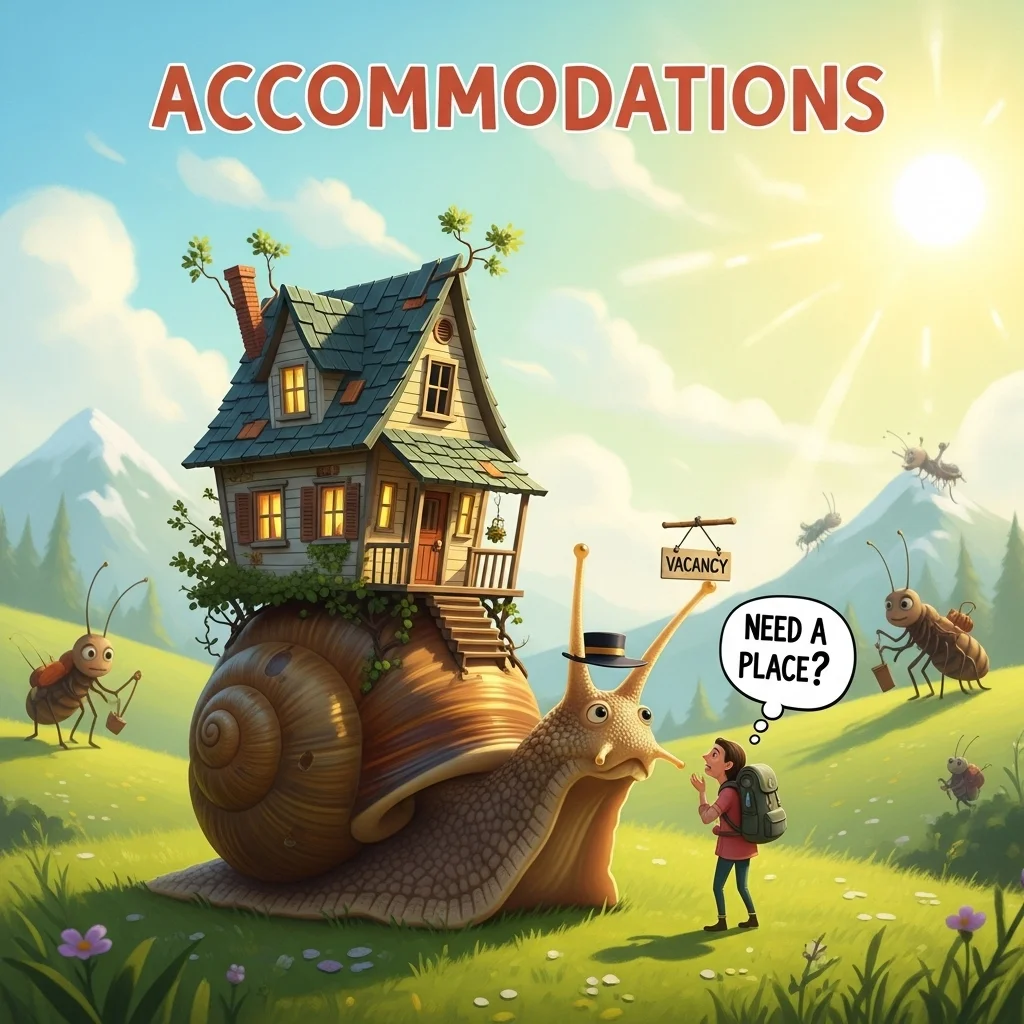
The basic accommodations meaning is a place where someone can stay or live temporarily. It can also mean adjustments or support provided to help someone.
Accommodations Meaning in Simple Words
In simple terms, accommodations can mean:
Places to stay – like hotels, hostels, or apartments.
Adjustments or help – like special arrangements for students or employees.
Accommodations Meaning in Travel
In travel, accommodations refer to hotels, motels, guest houses, or vacation rentals where travelers stay. For example, “We booked accommodations near the beach.”
Accommodations Meaning in Education
In schools or universities, accommodations are special arrangements for students with disabilities or learning differences. Examples include extra time on tests, note-taking help, or accessible classrooms.
Accommodations Meaning in the Workplace
In the workplace, accommodations are adjustments to help employees perform their job effectively. Examples include flexible hours, modified equipment, or remote work options.
Accommodations Meaning in Daily Life
In daily life, accommodations can also mean making adjustments to help someone. For example, “We made accommodations for guests with dietary restrictions.”
Accommodations as Noun
Accommodations is a noun. It describes either physical places to stay or adjustments/support offered to someone.
Accommodations Meaning in Hotels
In the hospitality industry, accommodations usually refer to rooms, suites, or lodging services provided to guests.
Accommodations Meaning in Law
In legal terms, accommodations can mean changes or allowances required by law to support individuals, such as accessibility accommodations under disability laws.
Accommodations vs Lodging
Lodging specifically refers to a place to stay, while accommodations can include lodging plus services and adjustments provided to guests or residents.

Accommodations vs Arrangements
Accommodations often mean adjustments for convenience or support, while arrangements are broader plans or preparations.
Examples of Accommodations in Sentences
“The hotel offers comfortable accommodations with free breakfast.”
“The school provides accommodations for students with dyslexia.”
“Workplace accommodations helped her continue working after an injury.”
Common Misunderstandings About Accommodations
Some think accommodations only mean hotels or lodging. While that is one meaning, it also refers to adjustments or support in education, work, and daily life.
Is Accommodations Positive or Negative?
Accommodations are generally positive, as they help people feel comfortable, supported, or included.
Accommodations Meaning in Modern Usage
Today, accommodations are widely discussed in travel apps, educational policies, and workplace inclusion programs. It highlights support and accessibility.
How to Use Accommodations Correctly
Use accommodations when talking about:
Places to stay (travel, hotels)
Adjustments or support (school, work, events)
Cultural Importance of Accommodations
Providing accommodations shows respect, hospitality, and inclusion. It ensures people can participate fully or feel comfortable.
Why Understanding Accommodations Matters
Knowing the different meanings helps avoid confusion in travel, education, and professional contexts, ensuring clear communication.
Words Commonly Used With Accommodations
Hotel accommodations
Special accommodations
Accessible accommodations
Student accommodations