
Altitude Meaning in Simple Terms
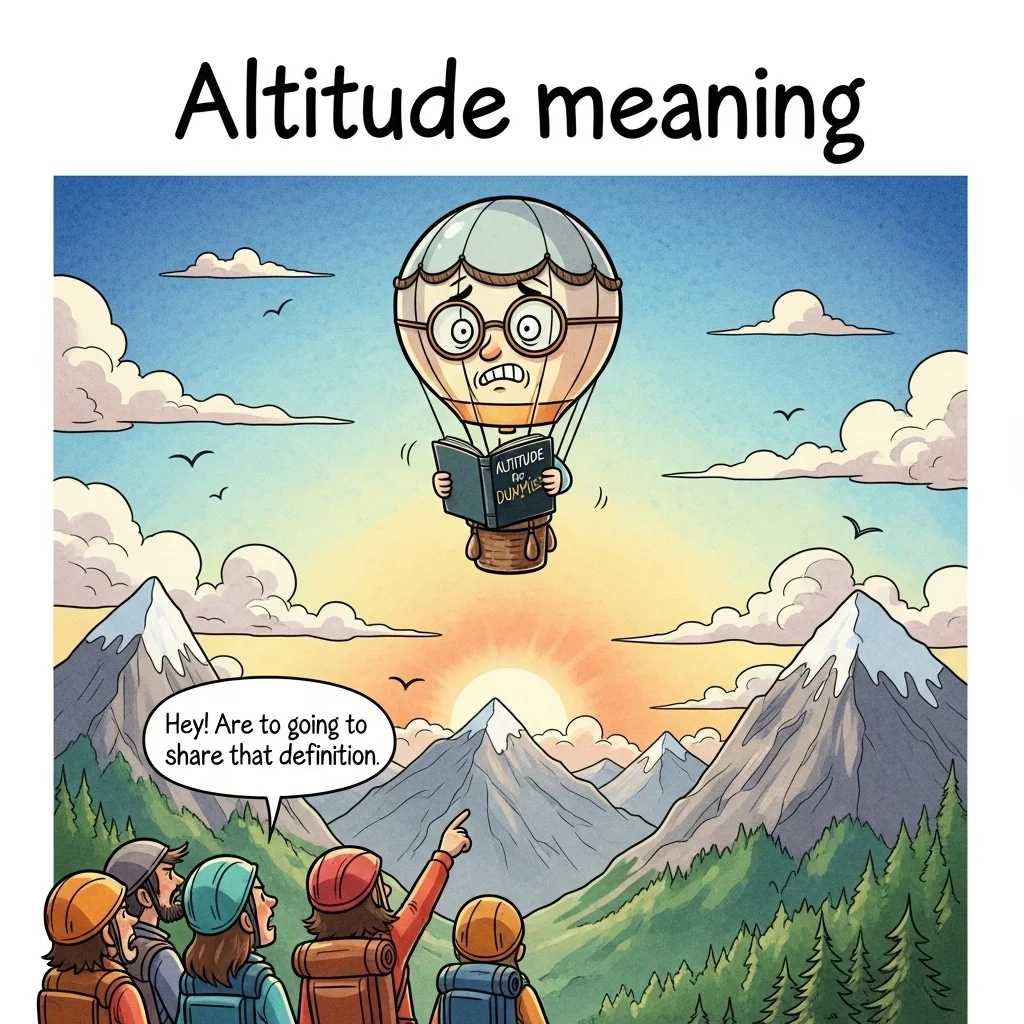
Altitude means the height of something above sea level. It tells us how high a place or object is compared to the ocean’s surface.
Origin of the Word Altitude
The word altitude comes from the Latin word altitudo, meaning “height” or “elevation.”
Altitude Meaning in Geography
In geography, altitude describes how high a land area is above sea level. Mountains have high altitude, while beaches have low altitude.
Altitude Meaning in Aviation
In aviation, altitude refers to how high an aircraft is flying above sea level. Pilots constantly monitor altitude to ensure safety.
Altitude Meaning in Daily Life
In everyday conversation, altitude is used to talk about high places like hills, mountains, or cities located above sea level.
Altitude vs Elevation
Although often used interchangeably:
Altitude usually refers to height in the air or large areas
Elevation often refers to land height at a specific point
Altitude in Weather
Altitude affects weather and temperature. Higher altitudes are usually colder and may receive more snow than lower areas.
Altitude in Health
High altitude can affect breathing due to lower oxygen levels. Some people experience altitude sickness when traveling to high-altitude areas.
Altitude in Sports
Sports like mountaineering, skiing, and hiking often take place at high altitudes, which can impact physical performance.
Altitude in Travel
Travelers often consider altitude when visiting mountain destinations, as it can influence comfort, health, and activities.
Altitude in Science
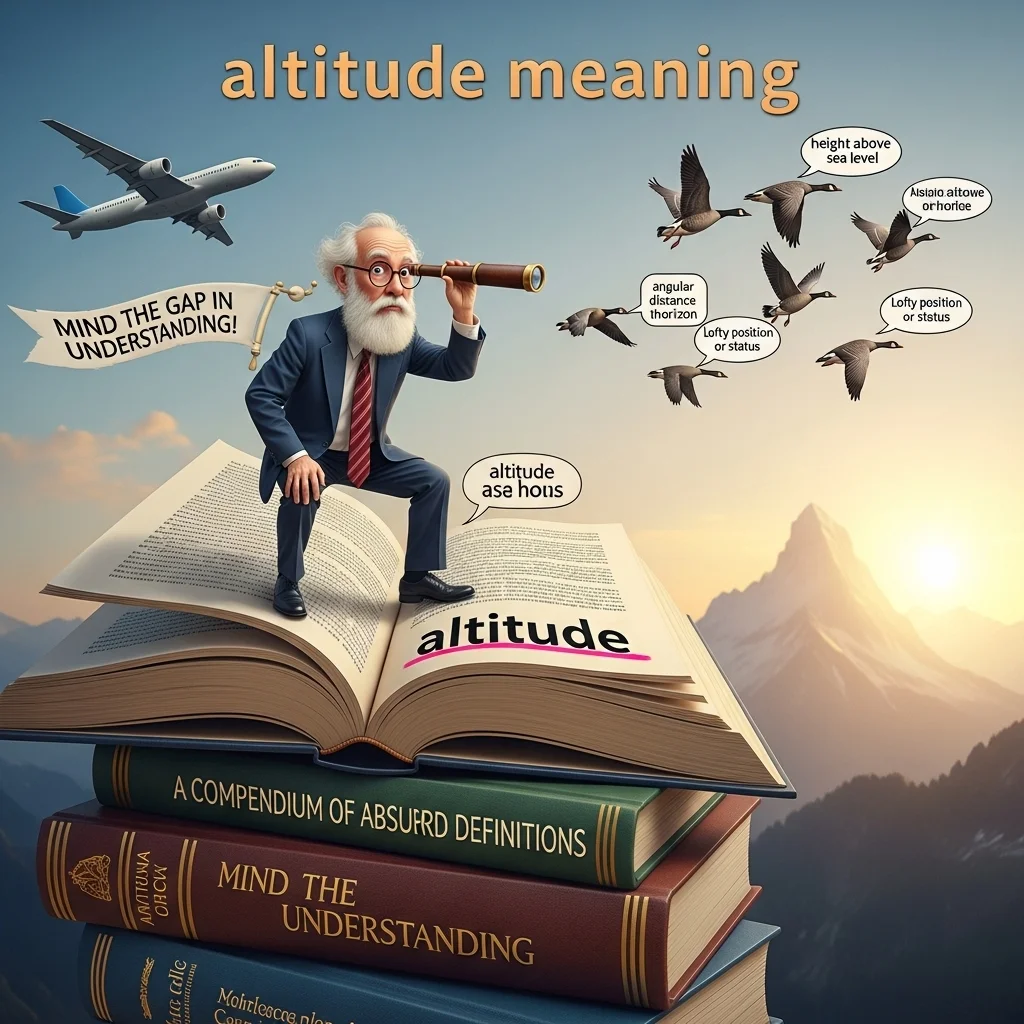
In science, altitude helps measure atmospheric pressure, oxygen levels, and environmental conditions at different heights.
Altitude in Astronomy
In astronomy, altitude refers to the angle of a celestial object above the horizon, not its height above sea level.
Altitude in Military and Navigation
Altitude is critical for navigation, defense systems, and aircraft positioning to avoid collisions and ensure accuracy.
Altitude in Technology
Modern devices like smartphones and GPS systems can estimate altitude using sensors and satellite data.
Common Misunderstandings
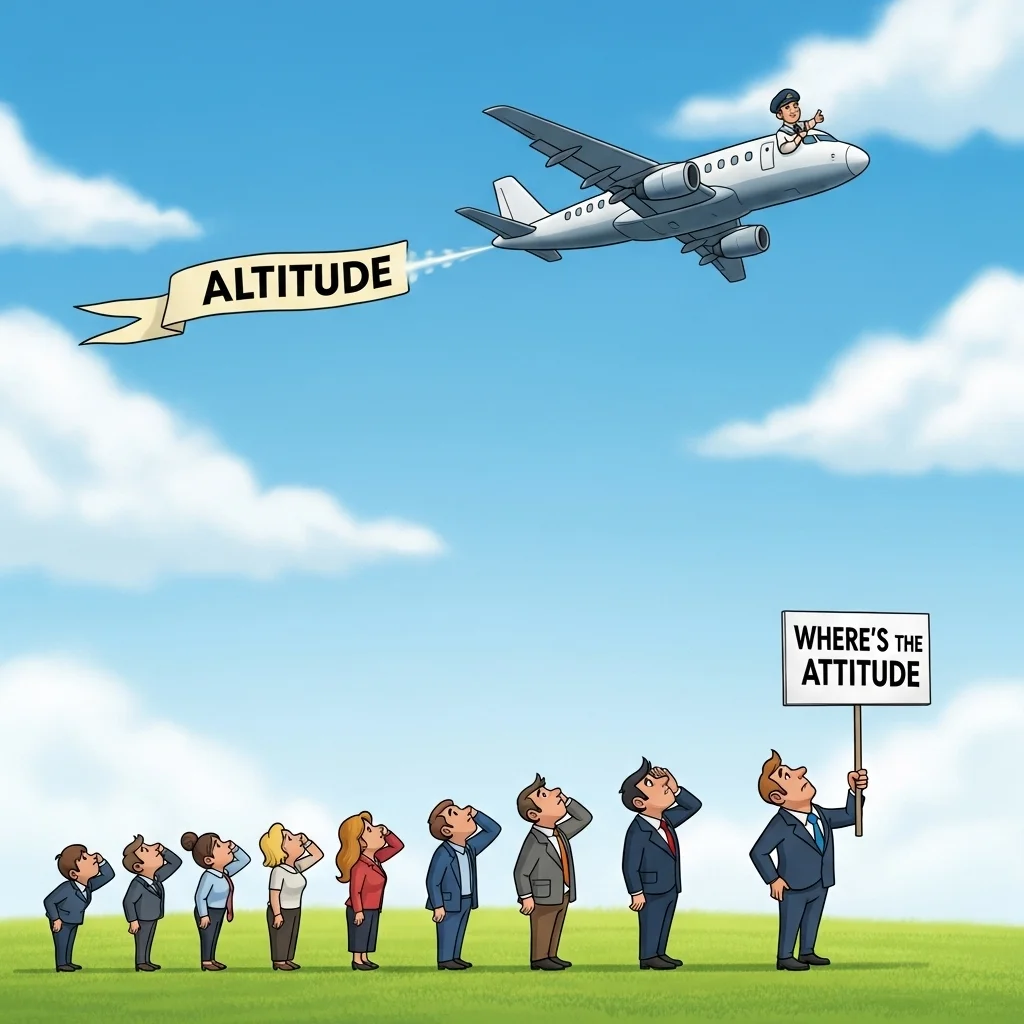
Some people confuse altitude with attitude. These are completely different words with different meanings.
How to Measure Altitude
Altitude is measured using tools such as:
Altimeters
GPS systems
Topographic maps
Examples of Altitude Usage
“The city sits at an altitude of 1,500 meters.”
“The plane reached cruising altitude.”
“High altitude can affect breathing.”
Altitude in Texting and Informal Speech
In casual conversation, altitude is often used to describe how high a place feels rather than exact measurements.
Why Altitude Matters
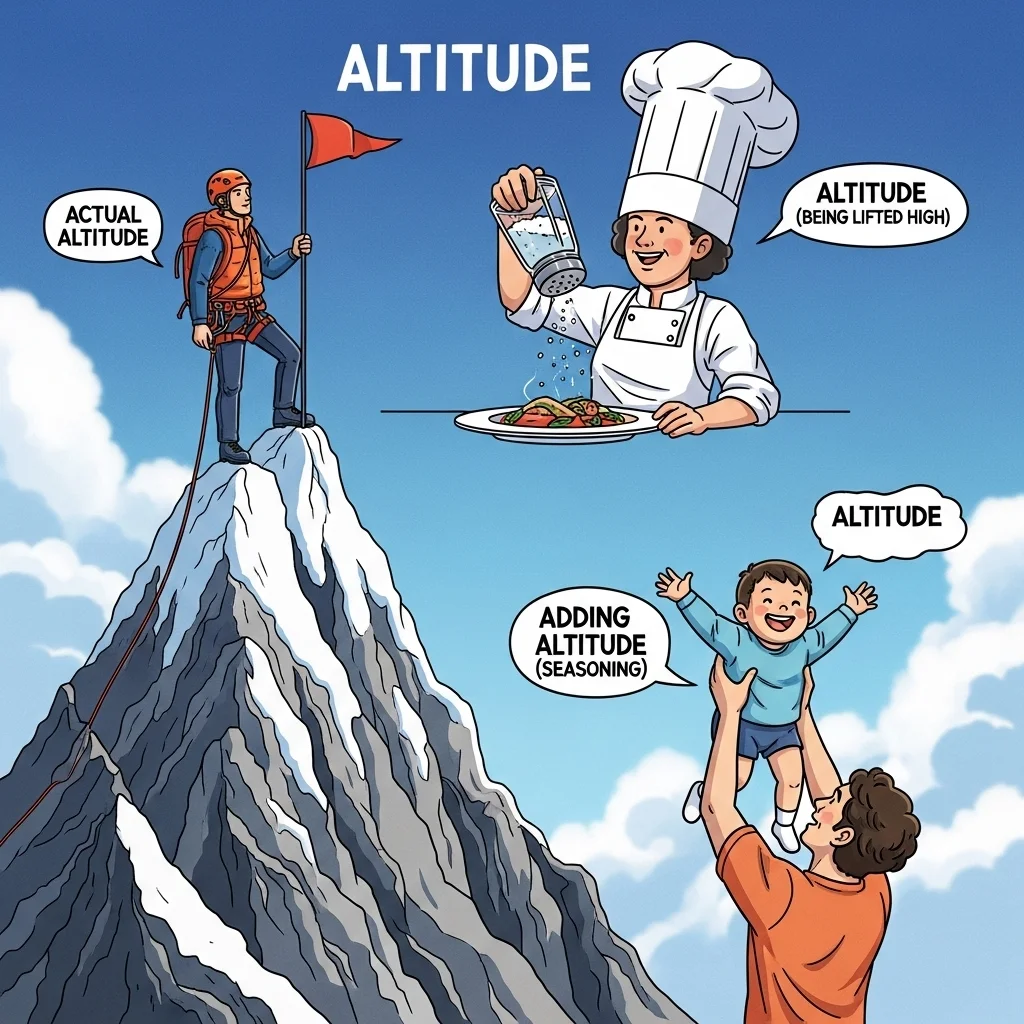
Altitude affects climate, health, transportation, and daily life. Understanding it helps with planning travel and outdoor activities.
Quick Tips to Remember Altitude
Means height above sea level
Used in geography and aviation
Affects weather and health
Different from attitude