
Biome Meaning in Simple Terms
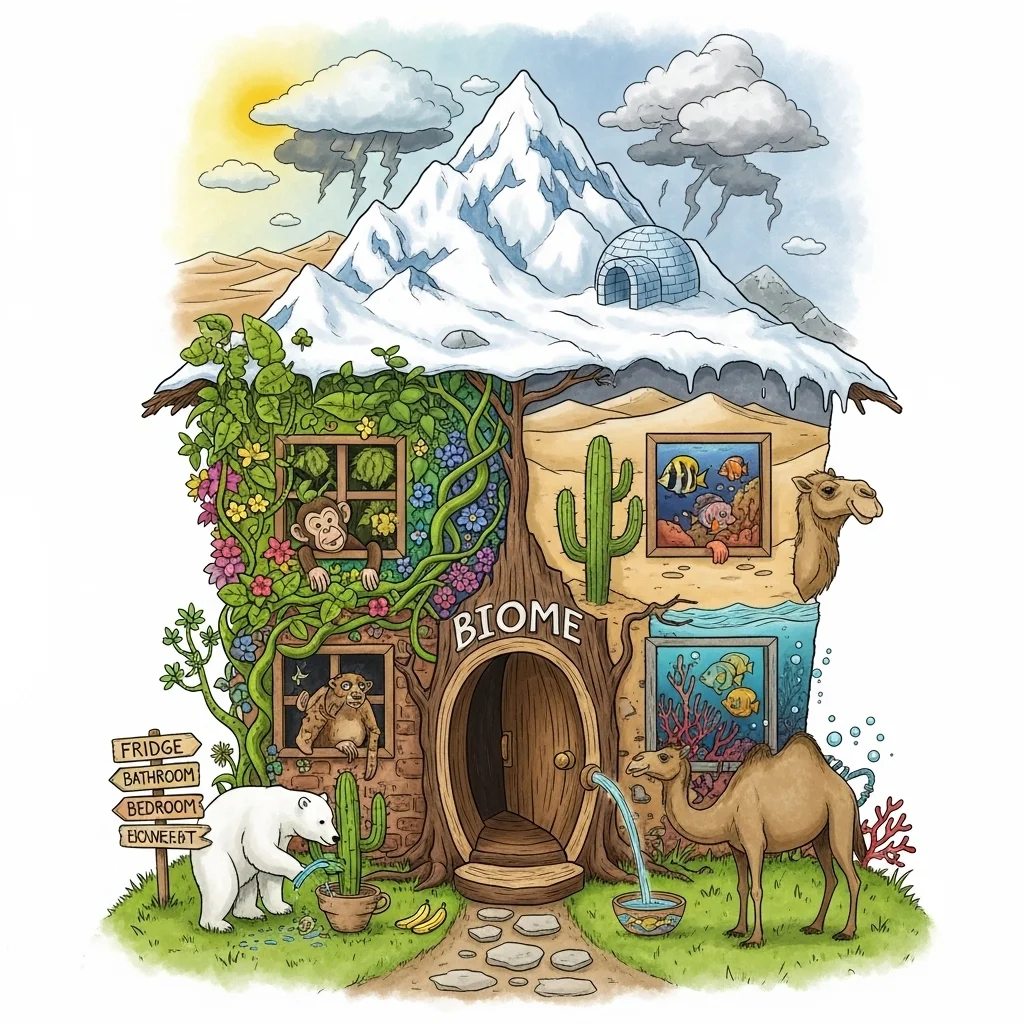
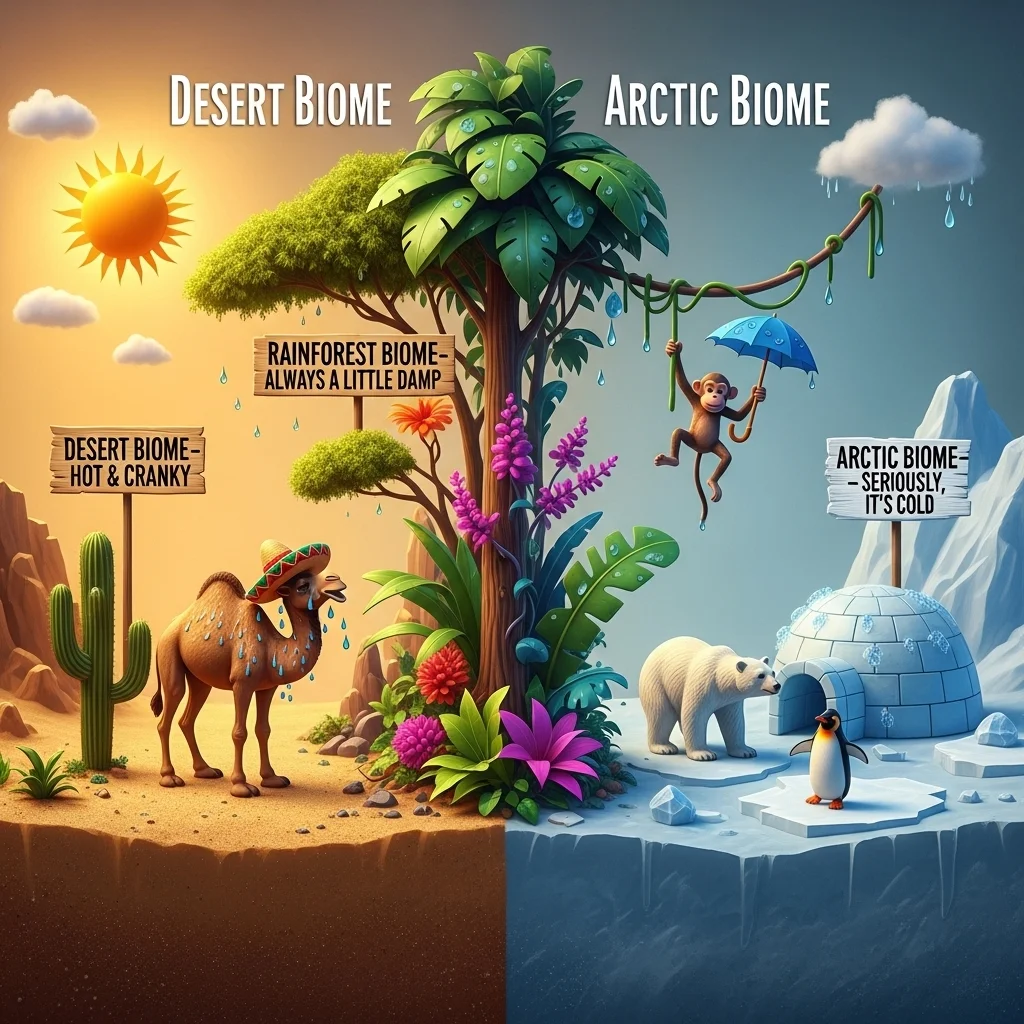
A biome is a large natural area with a specific climate, plants, and animals. Deserts, forests, oceans, and grasslands are examples of biomes.
What Makes a Biome Unique
Each biome is defined by temperature, rainfall, soil, and living organisms. These factors work together to shape life in that area.
Biome Meaning in Biology
In biology, a biome helps scientists group ecosystems that share similar climate conditions and life forms.
Biome Meaning in Geography
Geographers use biomes to understand how climate zones affect land, vegetation, and wildlife around the world.
Climate and Biomes
Climate is the main factor that creates biomes. Long-term temperature and rainfall determine what kind of biome forms.
Types of Biomes on Earth
Earth has several major biomes, including forests, deserts, grasslands, tundra, freshwater, and marine biomes.
Forest Biome Meaning
A forest biome has many trees, moderate to high rainfall, and diverse plant and animal life.
Desert Biome Meaning
A desert biome receives very little rain and has plants and animals adapted to dry conditions.
Grassland Biome Meaning
Grassland biomes are dominated by grasses, with few trees, and support grazing animals.
Tundra Biome Meaning
The tundra biome is extremely cold, with frozen ground and limited plant life.
Aquatic Biome Meaning
Aquatic biomes include freshwater and marine environments such as rivers, lakes, and oceans.
Biome vs Ecosystem Meaning
A biome is larger and includes many ecosystems, while an ecosystem refers to a specific local environment.
Biome Meaning in Education
In schools, biomes help students understand how climate influences life on Earth.
Biome Meaning in Environmental Science
Environmental scientists study biomes to track climate change and protect biodiversity.
How Plants Adapt to Biomes
Plants adapt to their biome’s climate through size, shape, water storage, and growth patterns.
How Animals Adapt to Biomes
Animals develop traits like thick fur, camouflage, or water conservation to survive in their biome.
Biome Meaning in Daily Life
People experience biomes through weather patterns, agriculture, and natural surroundings.
Common Misunderstandings About Biomes
Many think biomes and ecosystems are the same, but biomes are much broader.
Why Biomes Matter
Biomes help maintain Earth’s balance by supporting food chains, climate regulation, and natural resources.
Modern Importance of Biomes
Today, biomes are studied closely to understand climate change and environmental protection.
How to Identify a Biome
You can identify a biome by its climate, vegetation type, and native animal species.