
What Is Bipolar Disorder
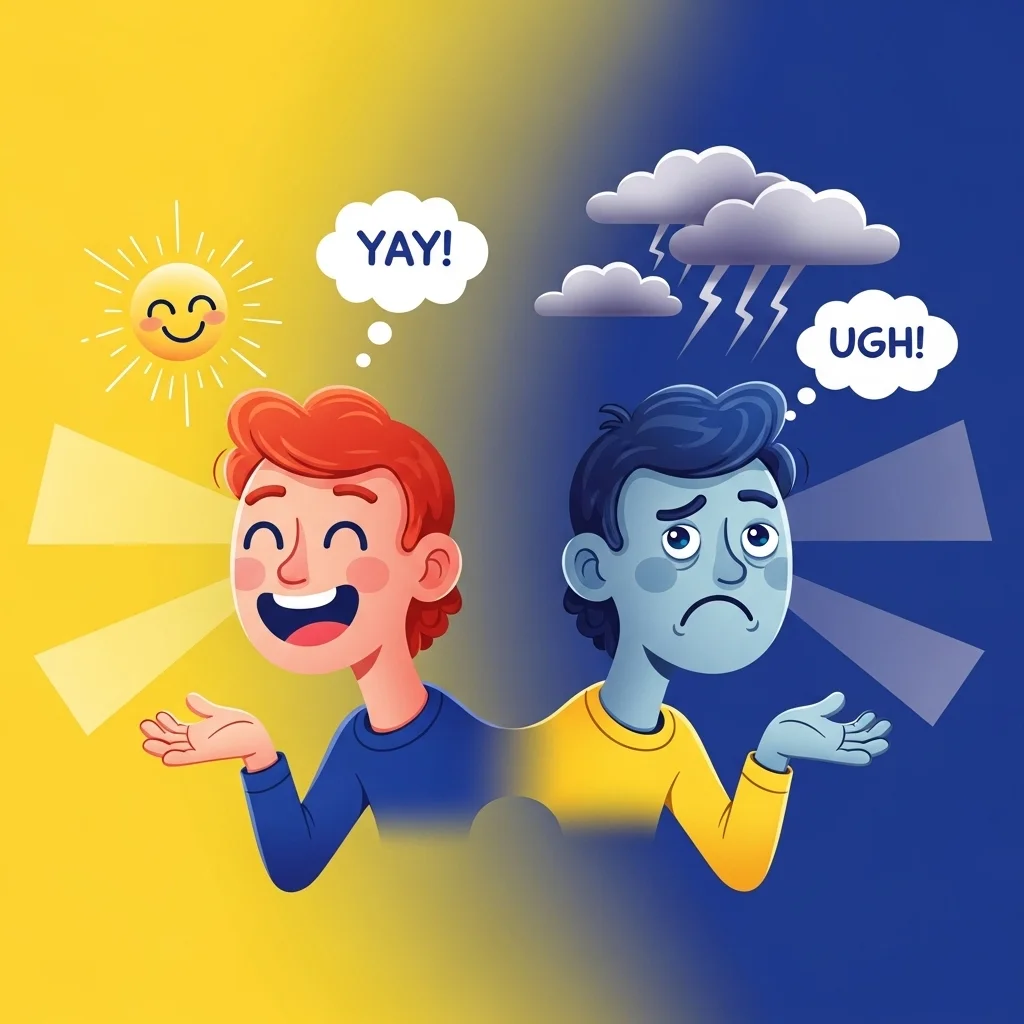
Bipolar disorder is a mental health condition that causes extreme changes in mood, energy, and behavior.
These mood changes go far beyond everyday ups and downs.
Bipolar Disorder Meaning in Simple Terms
In simple words, bipolar disorder means a person experiences very high moods and very low moods that can affect daily life.
These mood shifts are intense and last for days or weeks.
Why It Is Called Bipolar Disorder
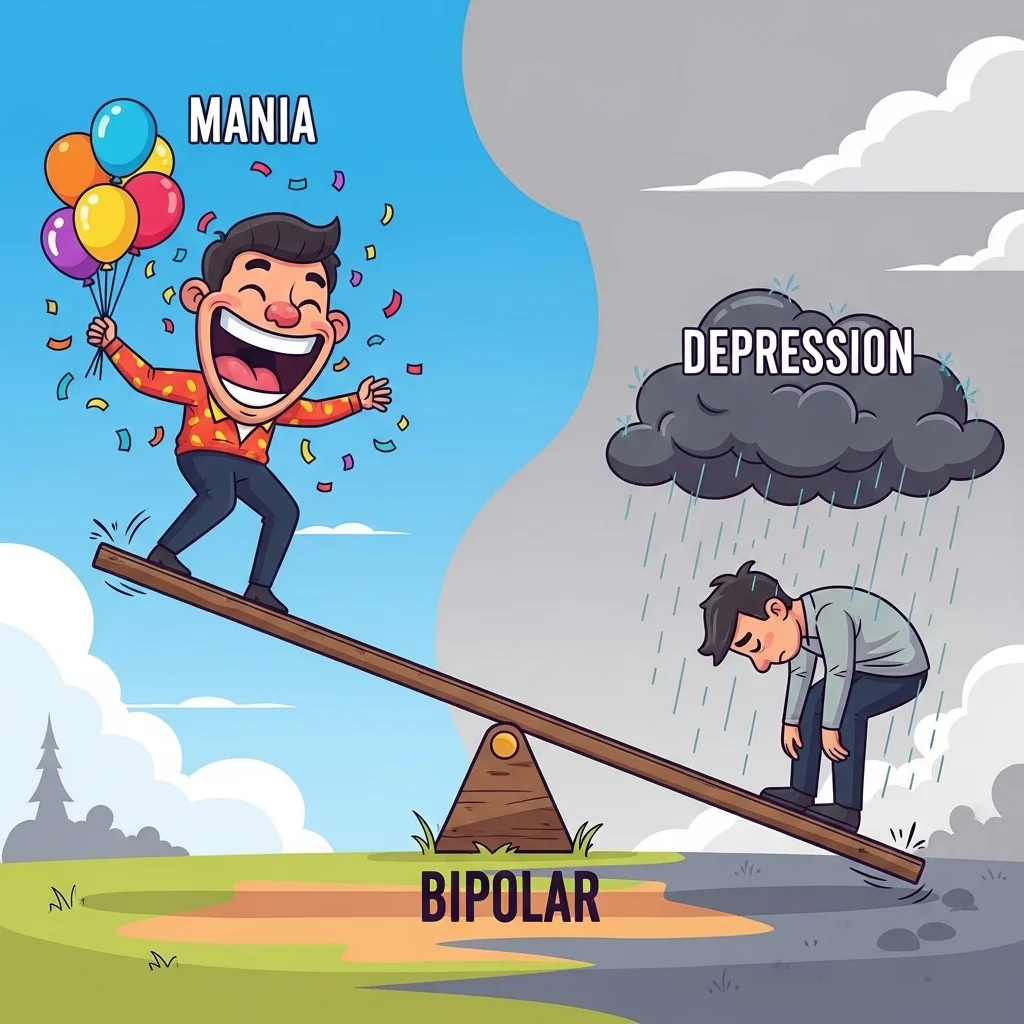
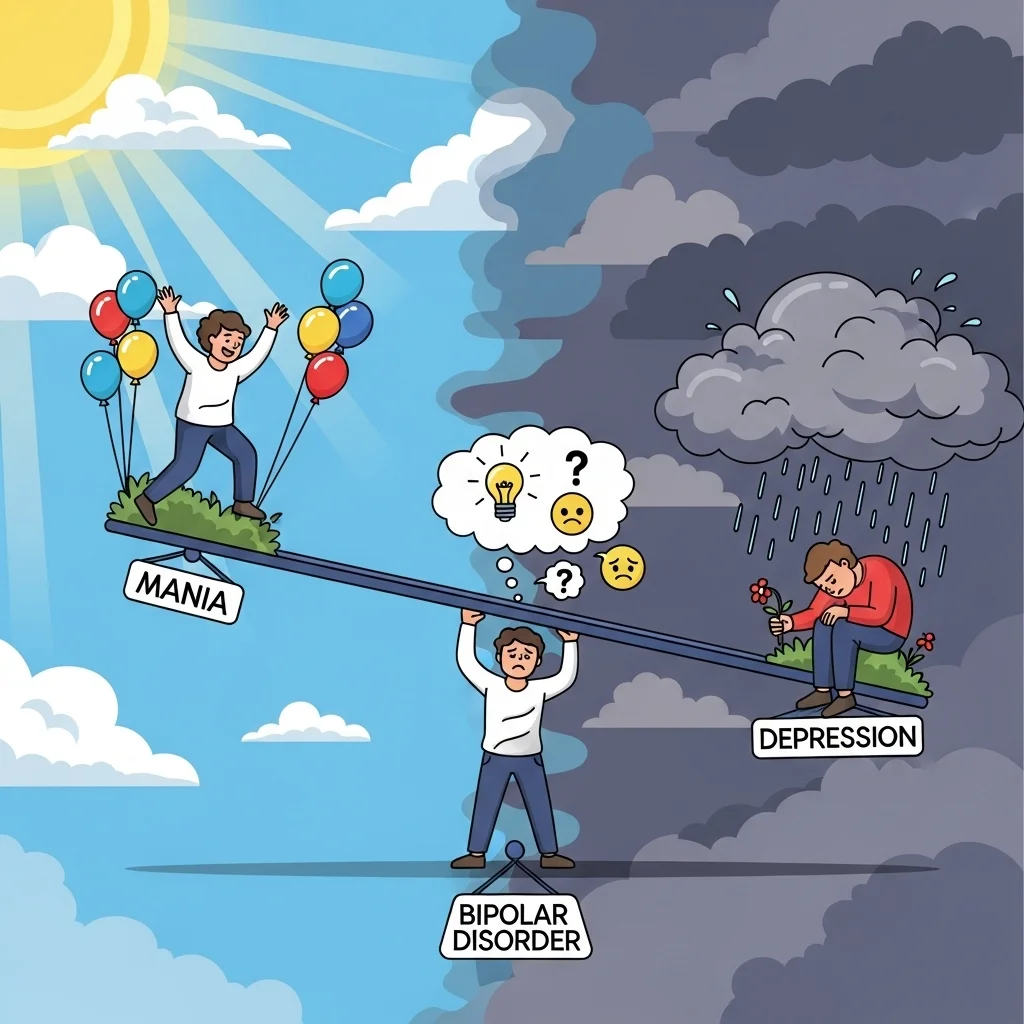
The word bipolar refers to two opposite poles.
These poles are:
Mania or hypomania (high mood)
Depression (low mood)
Bipolar Disorder Meaning in Daily Life
In daily life, bipolar disorder can affect:
Sleep
Work or school
Relationships
Decision-making
It is not just about being “moody.”
What Mania Means in Bipolar Disorder
Mania is a state of extreme energy, excitement, or irritability.
A person may feel unstoppable or overly confident.
What Hypomania Means
Hypomania is a milder form of mania.
The person may feel energetic and productive, but the behavior is still noticeable.
What Depression Means in Bipolar Disorder
Depression involves deep sadness, low energy, and loss of interest.
It is more intense and longer-lasting than feeling sad.
Types of Bipolar Disorder
There are different types of bipolar disorder, each with unique patterns of mood changes.
Understanding the type helps clarify the condition.
Bipolar I Disorder Meaning
Bipolar I includes severe manic episodes, often followed by depression.
Mania in Bipolar I can seriously disrupt life.
Bipolar II Disorder Meaning
Bipolar II involves hypomanic episodes and major depression.
Depression is usually more frequent than mania.
Cyclothymic Disorder Meaning
Cyclothymic disorder involves frequent mood swings that are less severe.
Symptoms last for a long time but are milder.
Bipolar Disorder Meaning vs Mood Swings
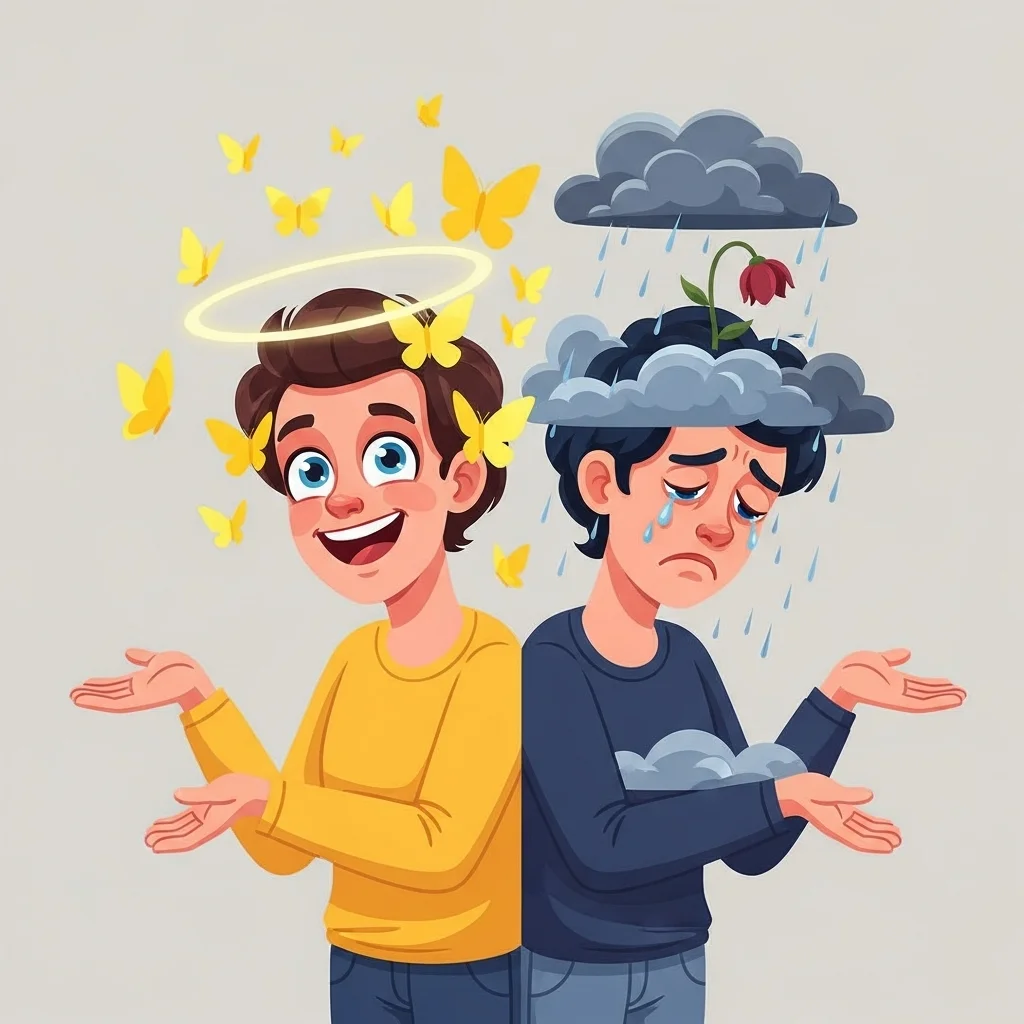
Everyone has mood changes.
Bipolar disorder involves clinical, intense, and long-lasting mood episodes that require medical attention.
Common Symptoms of Bipolar Disorder
Symptoms may include:
Extreme happiness or sadness
Racing thoughts
Risky behavior
Fatigue or low motivation
Symptoms vary from person to person.
What Causes Bipolar Disorder
There is no single cause.
Bipolar disorder is linked to genetics, brain chemistry, and environmental factors.
Is Bipolar Disorder a Personality Trait
No.
Bipolar disorder is a medical condition, not a personality flaw or weakness.
Bipolar Disorder Meaning in Modern Usage
Today, mental health awareness has improved understanding of bipolar disorder.
However, the term is still sometimes misused casually.
Common Misunderstandings About Bipolar Disorder
Some people think bipolar disorder means being angry one minute and happy the next.
This is incorrect. Mood episodes last much longer.
How Bipolar Disorder Is Diagnosed
Doctors diagnose bipolar disorder through:
Clinical interviews
Medical history
Symptom patterns
There is no single test.
Living With Bipolar Disorder
Many people with bipolar disorder live successful, meaningful lives.
Treatment, support, and self-awareness make a big difference.
Importance of Proper Treatment
Treatment may include therapy, medication, and lifestyle support.
Early diagnosis improves long-term outcomes.
Why Understanding Bipolar Disorder Meaning Matters
Understanding the bipolar disorder meaning reduces stigma and promotes empathy.
Accurate knowledge helps support those affected.