
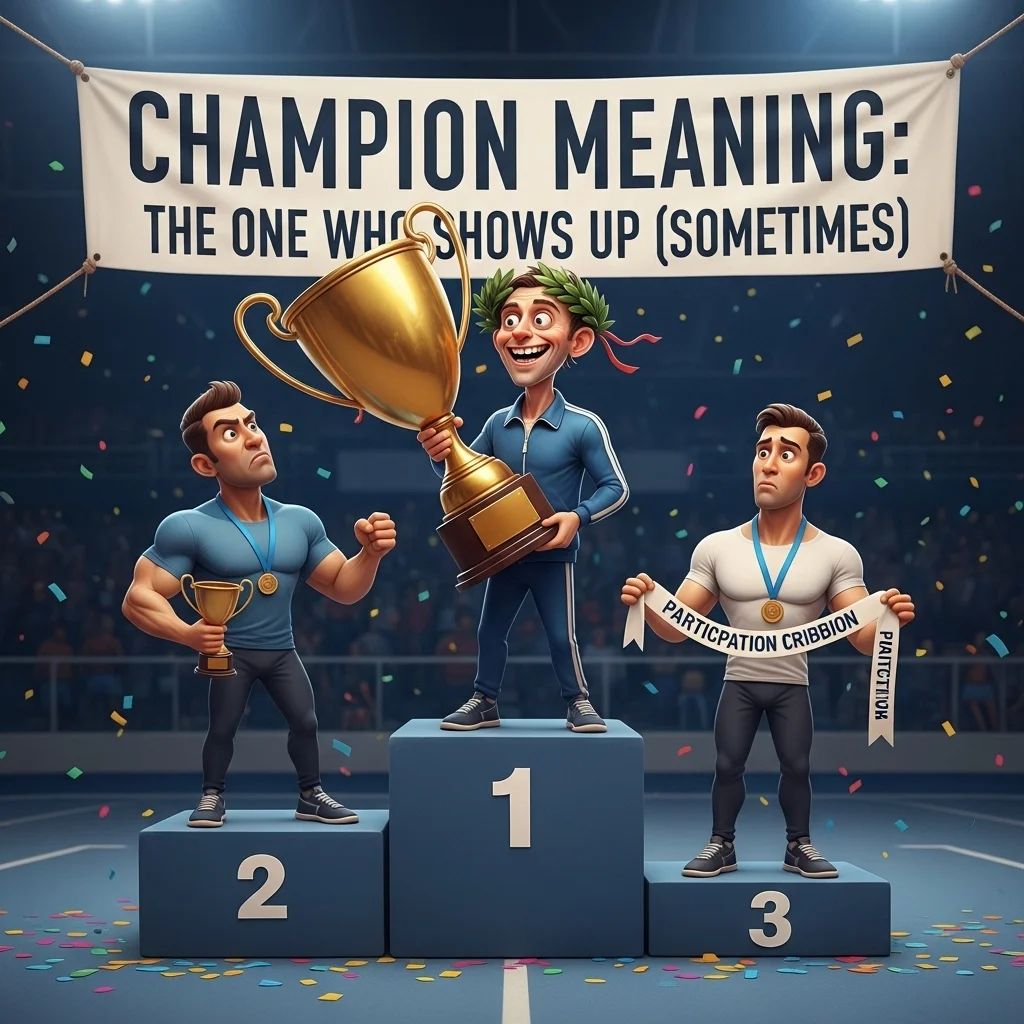

Champion Meaning in Simple Terms
At its core, a champion is someone who wins or excels. It could be winning a competition, leading in a skill, or being recognized for outstanding ability.
Champion Meaning in Sports
In sports, a champion is the player, team, or competitor who wins a tournament, match, or season. For example, a tennis champion has defeated all opponents in a tournament.
Champion as a Supporter or Advocate
Outside sports, “champion” can mean someone who supports or defends a cause. For instance, a person can be a champion of education, fighting to improve schools.
Historical Origin of “Champion”
The word comes from the Latin “campio,” meaning “combatant” or “fighter.” Originally, a champion was someone who fought on behalf of another, like a knight defending a king or a noble cause.
Champion Meaning in Modern Usage
Today, people use “champion” not only for winners but also for leaders, advocates, or role models. For example, someone can be a champion of environmental protection.
Champion Meaning in Daily Life
In everyday conversation, calling someone a champion can be casual praise. For example: “You fixed that problem? You’re a champion!” It’s a positive way to recognize achievement.
Champion vs Winner
While all champions are winners, not all winners are champions. A champion often shows skill, consistency, and leadership, not just a single victory.
Champion Meaning in Business
In the workplace, a champion can refer to a person leading a project or initiative. They champion new ideas, motivate teams, and ensure success.
Champion as a Role Model
People often describe champions as role models who inspire others through hard work, dedication, and ethical behavior.
Common Misunderstandings
Many assume “champion” only refers to sports or competitions. In reality, it can describe anyone excelling, advocating, or leading positively.
Champion in Literature
In stories and literature, champions are heroes who overcome obstacles, defend others, or achieve great deeds.
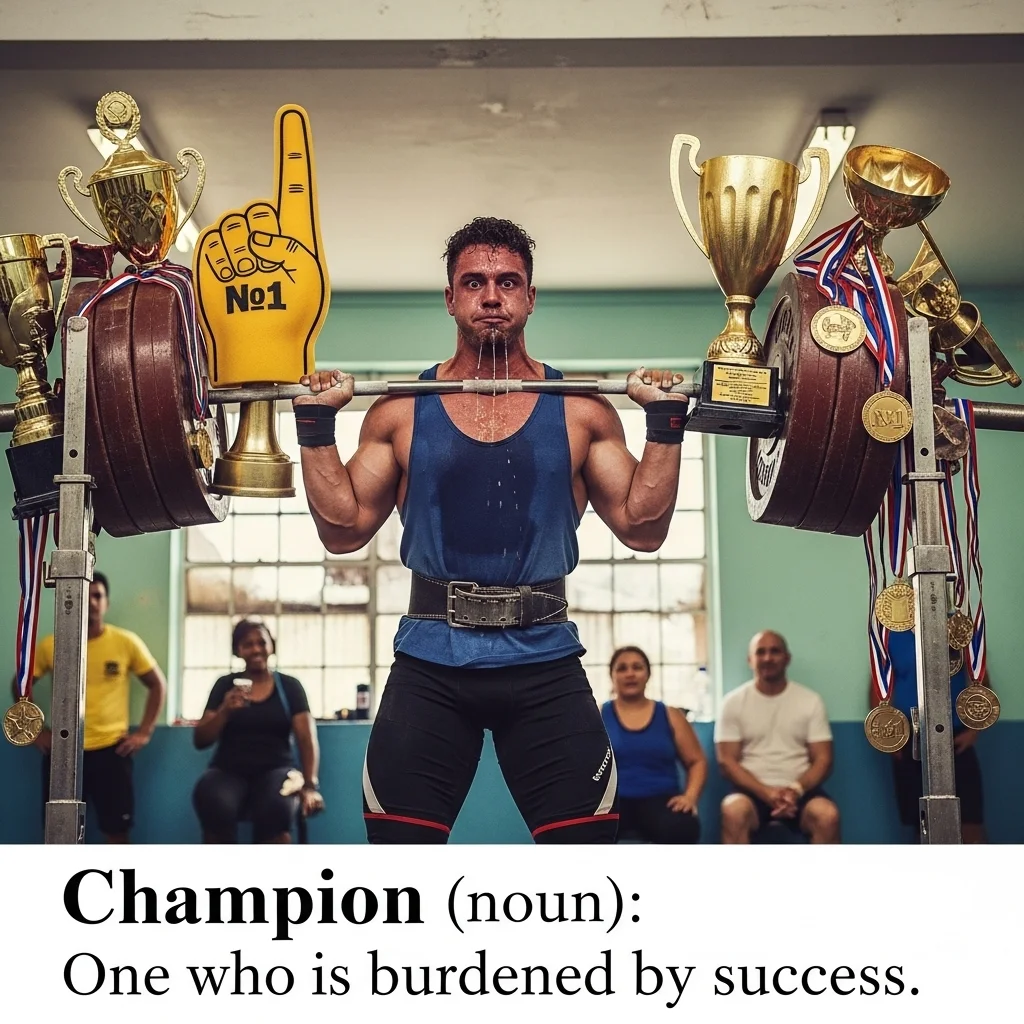
Champion in Popular Culture
Movies, music, and media often use “champion” metaphorically, highlighting bravery, excellence, or resilience.
Champion as Motivation
Using “champion” as encouragement can inspire confidence. For example, a coach might tell players: “Be champions out there!”
Champion and Personal Growth
Calling yourself a champion can be a mindset, representing growth, persistence, and self-belief, not just external victories.
Champion in Education
Teachers may describe students as champions when they excel academically or demonstrate leadership and effort.
Champion in Community Work
People who make a positive impact in their communities, like volunteering or leading social causes, can be seen as champions.
Champion in Health and Fitness
In fitness or wellness, champions show dedication to physical and mental health. They set goals and consistently work toward them.
Champion vs Hero
A champion may not always be a hero. A champion wins or supports, while a hero often performs selfless acts or saves others.
Champion as a Compliment
Using “champion” in casual language is a compliment showing admiration or gratitude. For instance: “Thanks for helping me out, you’re a real champion.”

Champion Mindset
Having a champion mindset means striving for excellence, supporting others, and overcoming challenges. It’s about attitude, not just recognition.