
Chasm Meaning in Simple Terms
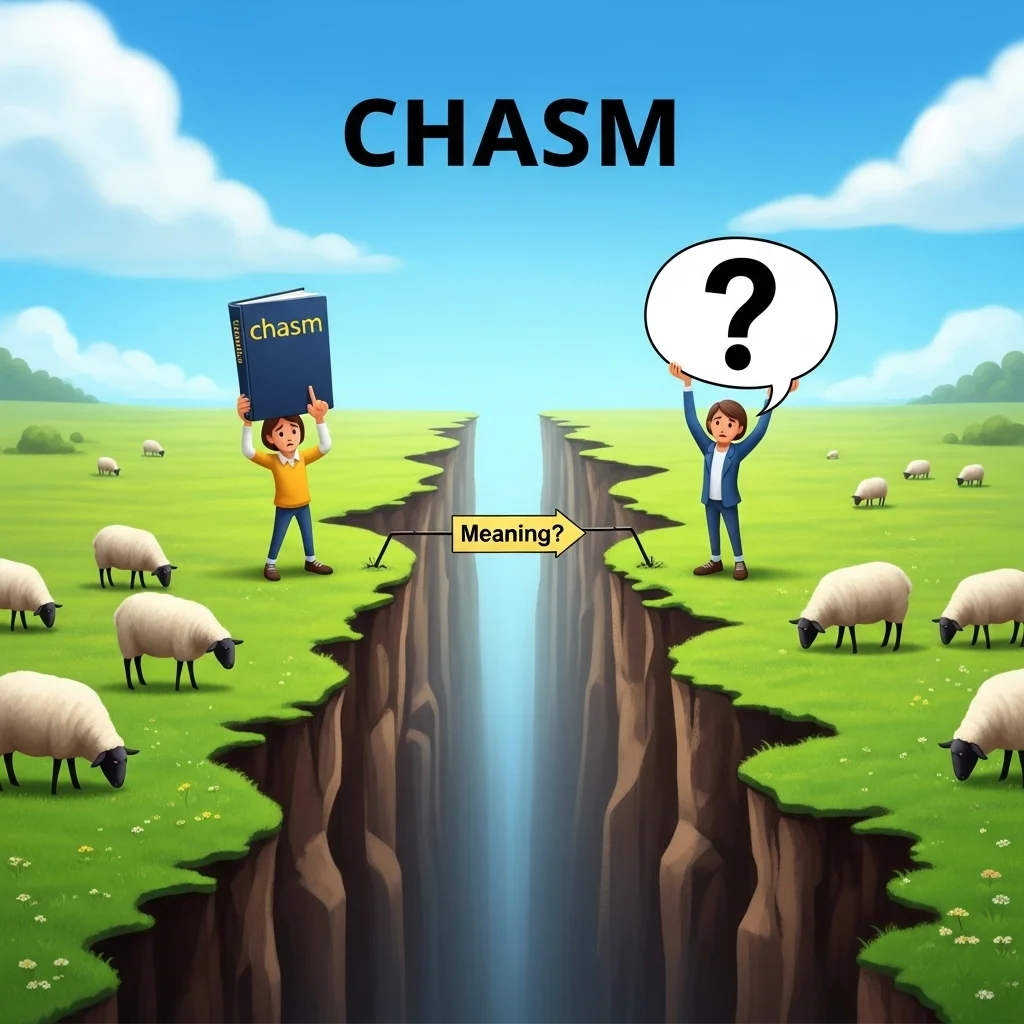
A chasm means a deep gap, space, or separation. It can be a physical hole in the ground or a large difference between people, ideas, or groups.
Origin of the Word Chasm
The word chasm comes from the Greek word khasma, meaning “gap” or “opening.”
Chasm Meaning in Geography
In geography, a chasm refers to a deep crack or opening in the earth, often formed by natural forces like erosion.
Chasm Meaning in Nature
In nature, chasms can be found in mountains, cliffs, and valleys where land has split apart over time.
Chasm Meaning in Daily Language
In everyday language, chasm is often used to describe a huge difference rather than a physical hole.
Chasm Meaning in Relationships
In relationships, a chasm can describe emotional distance, lack of communication, or growing misunderstanding between people.
Chasm Meaning in Society
Socially, a chasm may refer to gaps in wealth, opportunity, education, or beliefs between groups.
Chasm Meaning in Politics
In politics, chasm is used to describe deep disagreements or divisions between parties or ideologies.
Chasm Meaning in Business
In business, a chasm can mean a major gap between goals and results or between a product and its audience.
Chasm Meaning in Technology
In technology, chasm is sometimes used to describe the gap between early users and the wider market.
Chasm Meaning in Literature
Writers use chasm to create strong imagery or to symbolize emotional or moral separation.
Literal vs Figurative Chasm
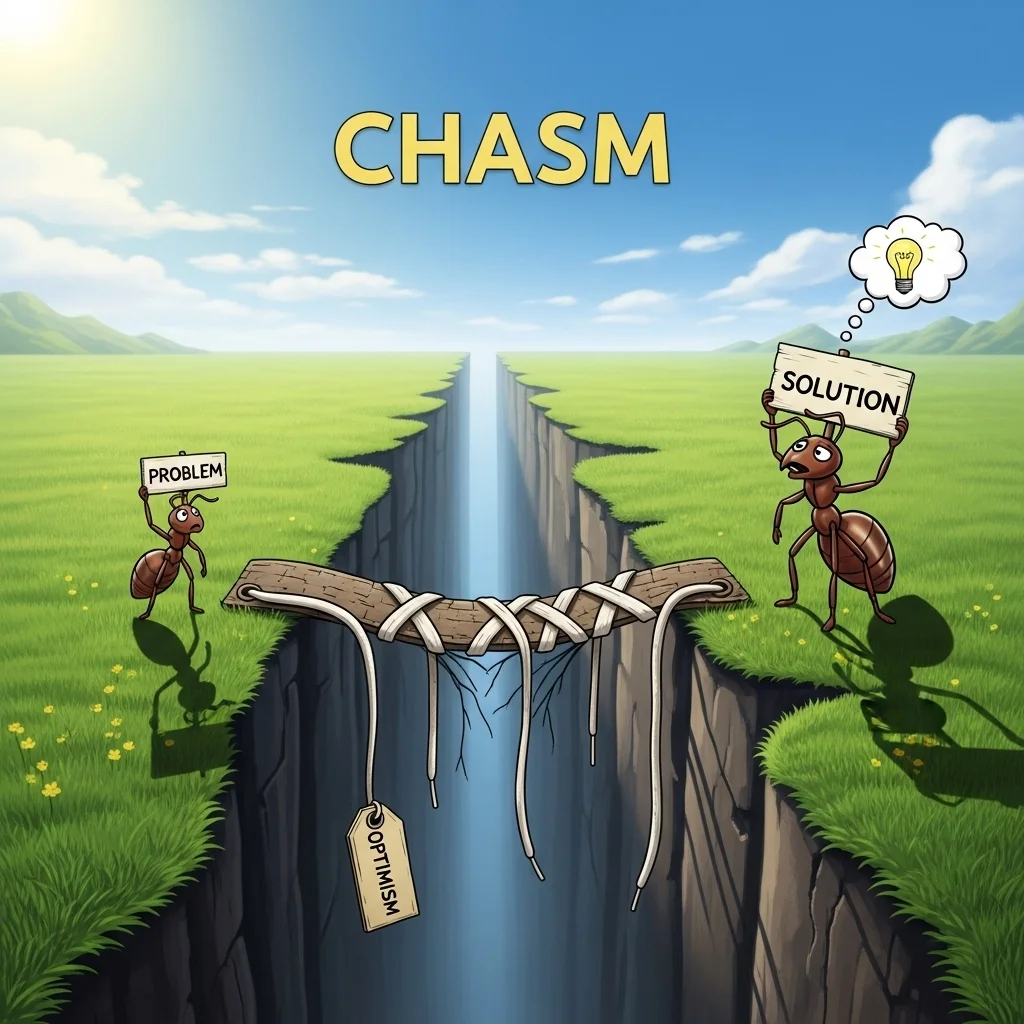
Literal chasm: A real, physical gap
Figurative chasm: A symbolic or emotional gap
Chasm vs Gap
A gap can be small, but a chasm implies something wide, deep, and difficult to cross.
Chasm vs Divide
Divide is general, while chasm suggests a serious and dramatic separation.
Chasm Meaning in Formal Writing
Chasm is commonly used in formal or academic writing to emphasize the size of a difference.
Chasm Meaning in Informal Speech
In casual conversation, people may use chasm for emphasis, though “gap” is more common.
Common Misunderstandings About Chasm
Some people think chasm only refers to land features, but it is widely used in symbolic ways too.
How to Use Chasm Correctly
Use when describing deep separation
Suitable for serious or dramatic context
Avoid using it for small differences
Examples of Chasm in Sentences
“A deep chasm separated the two cliffs.”
“There is a chasm between their beliefs.”
“The chasm between rich and poor is growing.”
Why the Word Chasm Is Powerful
It strongly communicates distance, difficulty, and seriousness in both physical and emotional contexts.
Tips to Remember Chasm
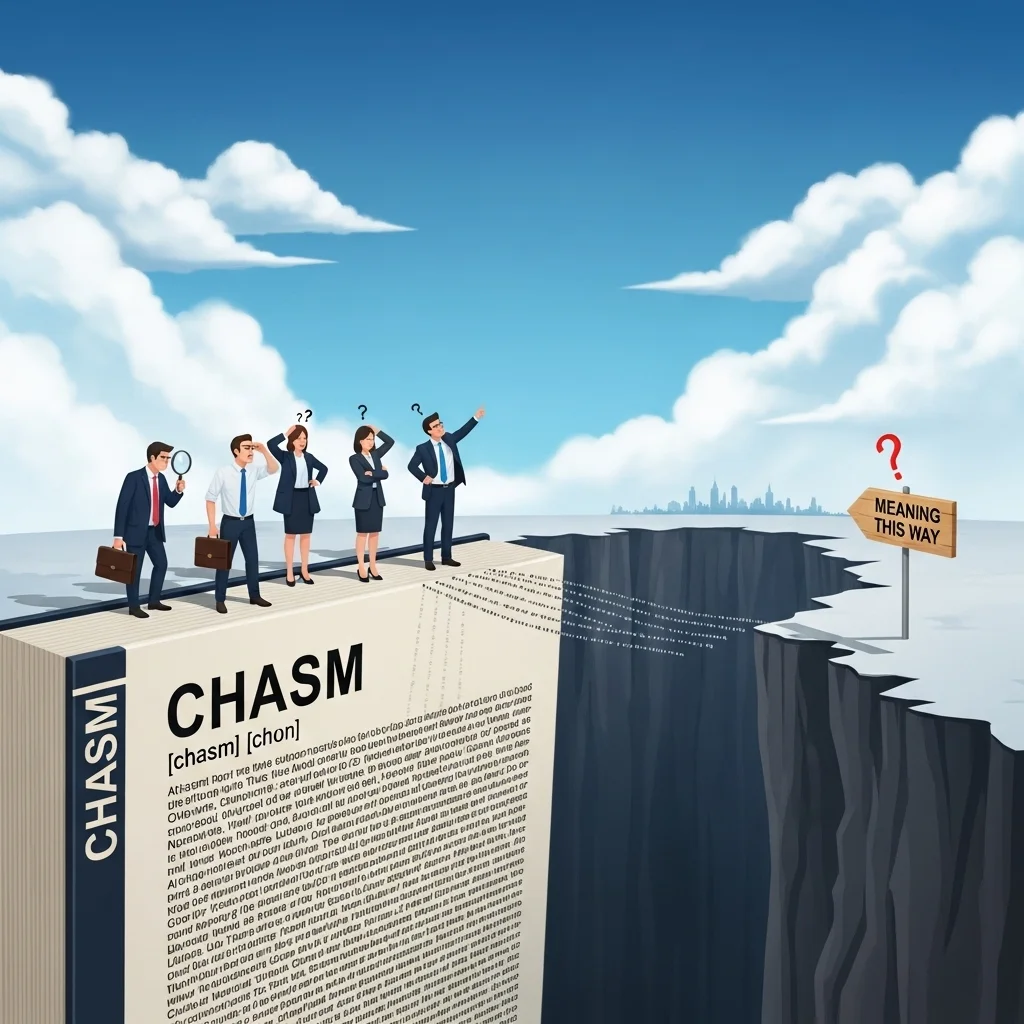
Means deep gap
Can be physical or symbolic
Strong and serious tone
Larger than a gap