


Deceive Meaning in Simple Terms
Deceive means to trick someone or make them believe something that is not true. It usually involves hiding the truth or giving false information on purpose.
Origin of the Word Deceive
The word deceive comes from the Latin decipere, meaning “to catch” or “to trick.”
Deceive Meaning in Daily Life
In daily life, deceive is used when someone lies or misleads another person.
Example: “He deceived his friend by telling a false story.”
Deceive Meaning in Relationships
In relationships, to deceive means breaking trust by lying or hiding important facts. This can damage emotional connections.
Deceive Meaning in Business
In business, deception may involve false advertising, hidden terms, or misleading promises made to customers or partners.
Deceive Meaning in Law
In legal contexts, to deceive can refer to intentional fraud or misrepresentation, which can lead to penalties.
Deceive vs Lie
Deceive: Intentionally misleading someone
Lie: Saying something false
A lie can deceive, but deception can also happen without direct lies.
Deceive vs Mislead
To mislead can be accidental, but deceive is usually intentional. This is an important difference.
Deceive in Writing and Literature
Authors often use deception in stories to create suspense, mystery, or plot twists.
Deceive Meaning in Modern Usage
In 2026, deceive is commonly used when talking about scams, fake news, and online misinformation.
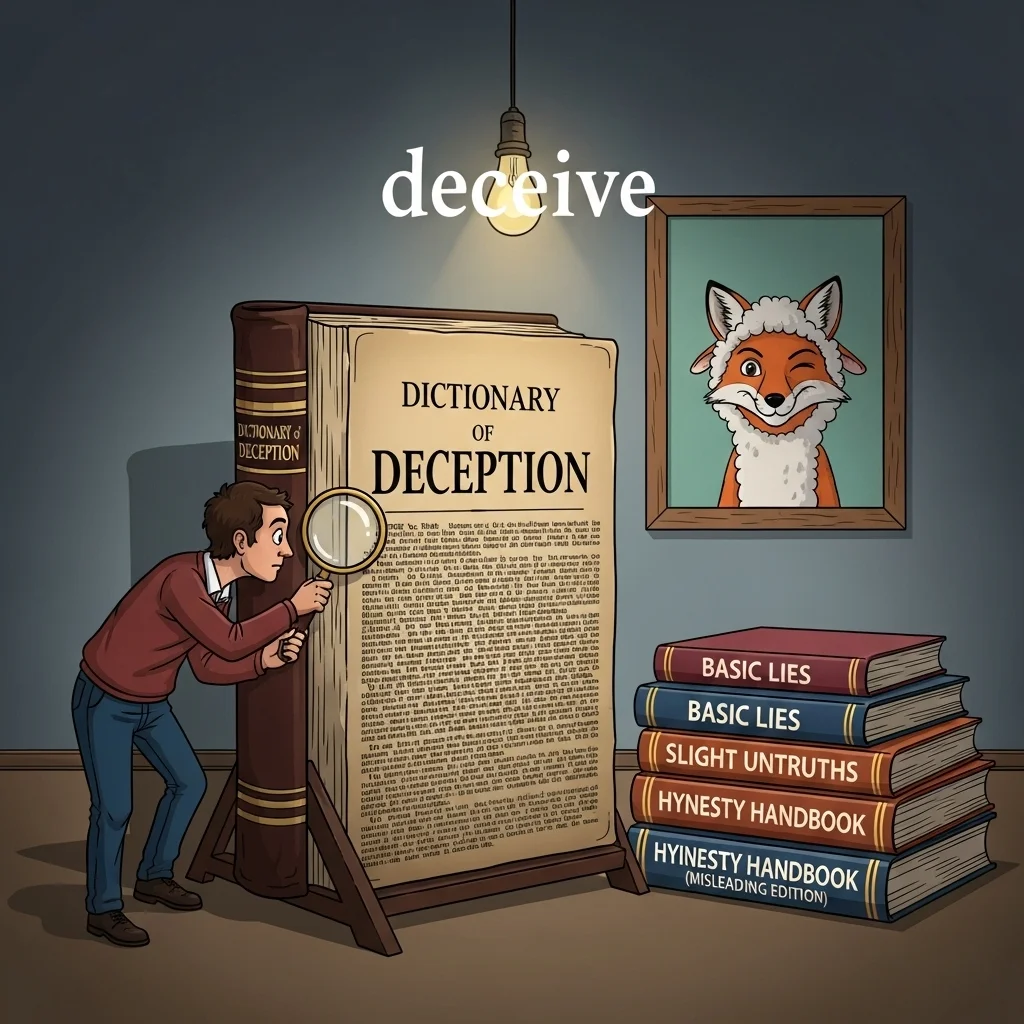
Deceive in Social Media
Social media posts can deceive people by showing edited images or false information that looks real.
Deceive in Psychology
Psychology studies deception to understand why people lie and how humans detect dishonesty.
Common Misunderstandings
Some people think deceive only means lying with words. In reality, actions, silence, or false appearances can also deceive.
How to Use Deceive Correctly
Use when there is intent to mislead
Often used in serious or formal situations
Avoid using it for harmless mistakes
Examples of Deceive Usage
“The ad was designed to deceive customers.”
“He deceived everyone about his identity.”
“Appearances can sometimes deceive.”
Deceive in Texting and Informal Speech
In casual conversation, people may say “deceived” to describe feeling tricked or disappointed.
Why Understanding Deceive Matters
Knowing what deceive means helps you identify dishonesty and protect yourself from manipulation or fraud.
Emotional Impact of Deception
Being deceived can cause feelings of anger, sadness, and loss of trust.
Deceive and Ethics
Deception is often seen as unethical because it harms trust and honesty in society.

Quick Tips to Remember Deceive
Means to trick or mislead
Usually intentional
Often linked to dishonesty
Stronger than a simple mistake