
What Does Easter Mean?
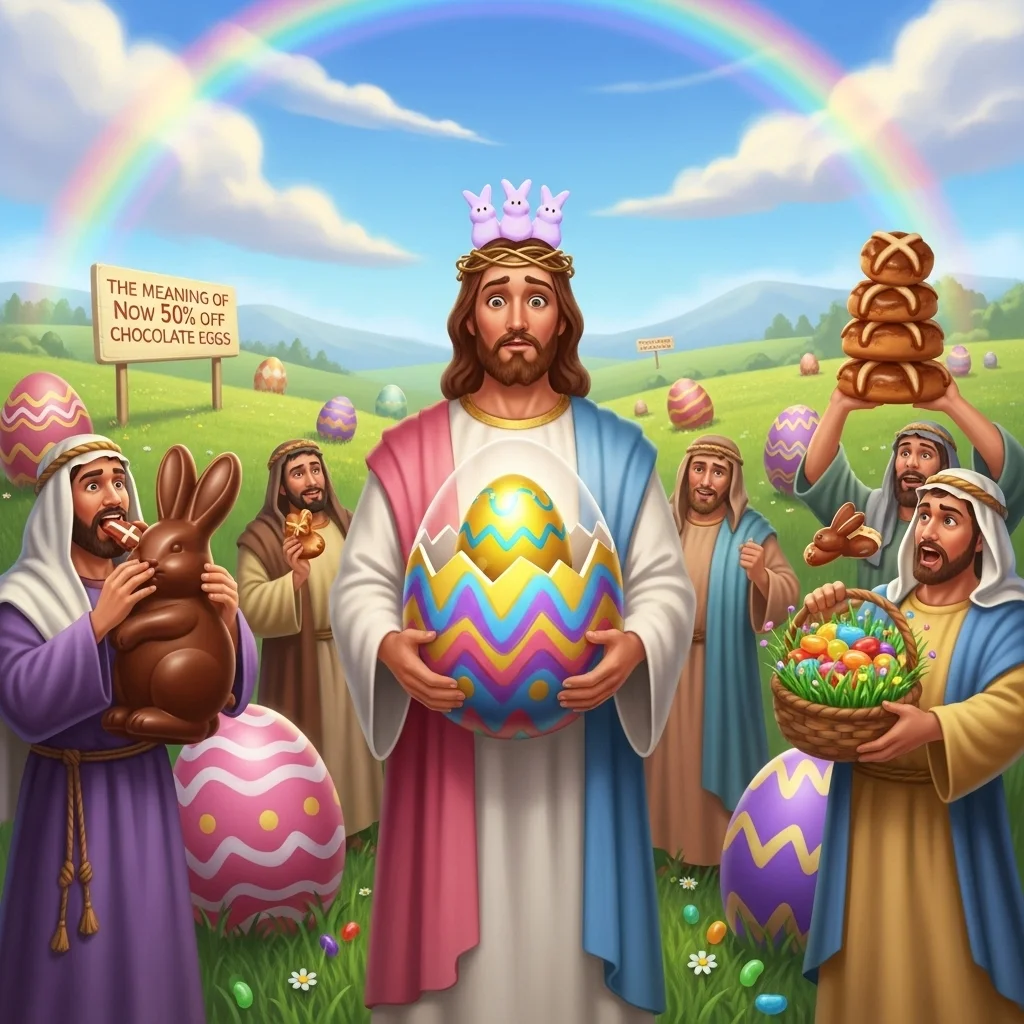
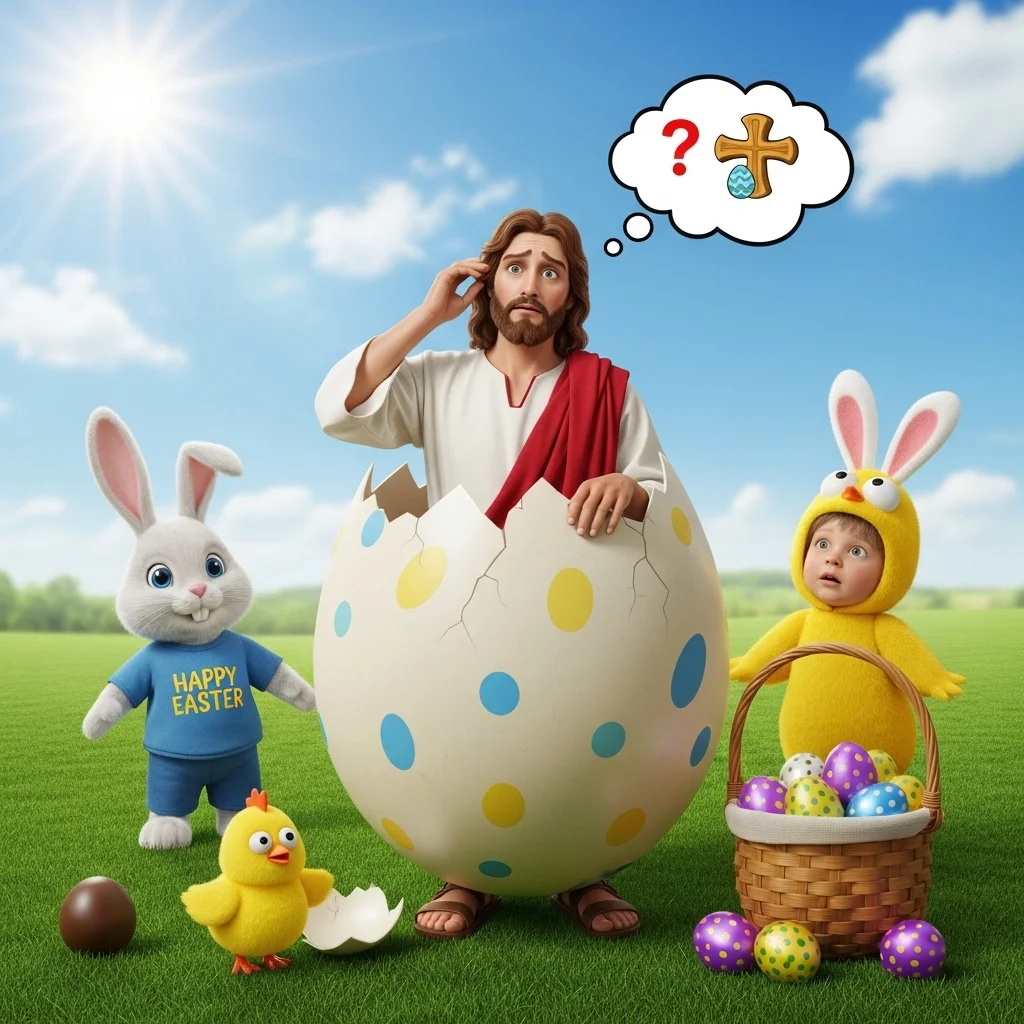
Easter is a Christian festival that celebrates the resurrection of Jesus Christ from the dead, symbolizing new life, hope, and renewal.
Easter Meaning in Simple Words
In simple words, Easter is a holiday celebrating Jesus coming back to life after his crucifixion.
Origin of the Word Easter
The English word “Easter” may come from the Old English Ēastre, the name of a spring goddess celebrated in pagan traditions, symbolizing rebirth and fertility.
Easter in Christianity
For Christians, Easter is the culmination of Holy Week, following Good Friday, and represents victory over sin and death.
Easter Meaning in History
Historically, Easter has been celebrated since the early Christian church, around the 2nd century AD.
Easter in Different Cultures
In many cultures, Easter combines religious ceremonies with seasonal spring celebrations, including eggs, flowers, and feasts.
Easter Meaning in Symbols
Eggs: Represent new life and resurrection.
Bunnies: Symbolize fertility and spring.
Cross: Reminds Christians of Jesus’ sacrifice.
Easter Meaning in Modern Times
Today, Easter is celebrated both religiously and culturally, with church services, family gatherings, and festive traditions.
Easter in Christianity vs Secular Culture
In Christianity, Easter focuses on Jesus’ resurrection. In secular culture, it often centers on springtime, chocolate, and egg hunts.
Easter in Family Traditions
Families celebrate Easter by attending church, sharing meals, giving chocolate eggs, and enjoying spring activities.
Easter Meaning in Europe
In Europe, Easter traditions vary: from Easter markets in Germany to egg rolling in the UK.
Easter Meaning in the United States
In the U.S., Easter includes religious services, parades, egg hunts, and the White House Easter Egg Roll.
Easter Meaning in Food
Traditional Easter foods include lamb, hot cross buns, chocolate eggs, and sweet bread, depending on local culture.
Easter Meaning in Flowers
Flowers like lilies and tulips symbolize new life, purity, and the arrival of spring during Easter.
Easter Meaning in Music and Art
Easter is often depicted in paintings, hymns, and performances, celebrating resurrection and hope.
Easter Meaning in Schools
In schools, Easter may be celebrated with crafts, egg hunts, and lessons about cultural and religious significance.
Common Misunderstandings About Easter
Some people think Easter is only about chocolate and bunnies, but its core meaning is religious and symbolic.
Easter Meaning in the Calendar
Easter is a “movable feast,” celebrated on the first Sunday after the first full moon following the vernal equinox.
Is Easter a Religious Holiday Only?
No, Easter has both religious significance and secular cultural celebrations.
Why Easter Is Important
Easter represents hope, renewal, and the triumph of life, making it meaningful for both religious and cultural reasons.