What Does However Mean
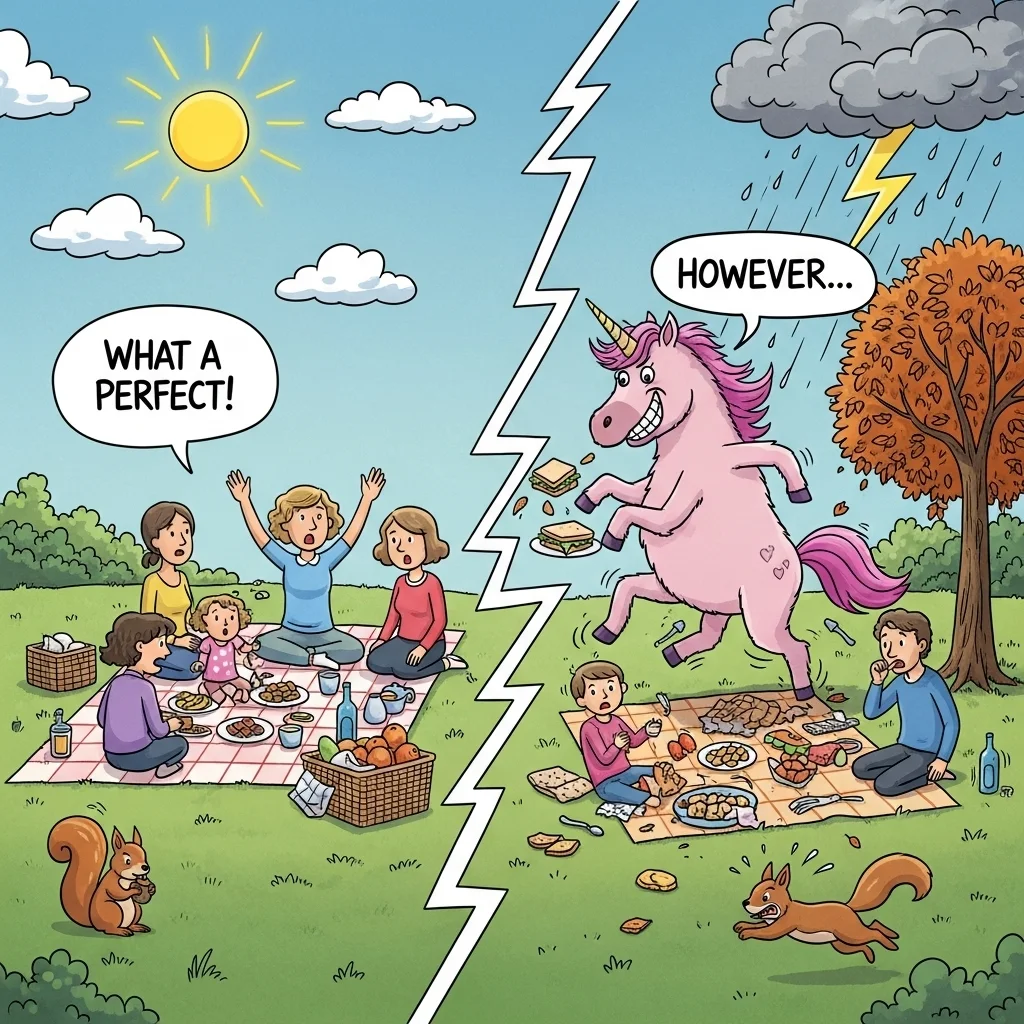
However is a versatile word used to show contrast, exception, or a way of doing something.
It can act as a conjunction, adverb, or transition word, depending on the sentence.
However Meaning in Simple Terms
In simple terms, however means “but,” “in spite of that,” or “no matter how.”
It connects ideas or highlights differences.
Origin of the Word However
However comes from Middle English how ever, meaning “in whatever way.”
Over time, it developed into a common word for contrast and exceptions.
However Meaning as a Conjunction
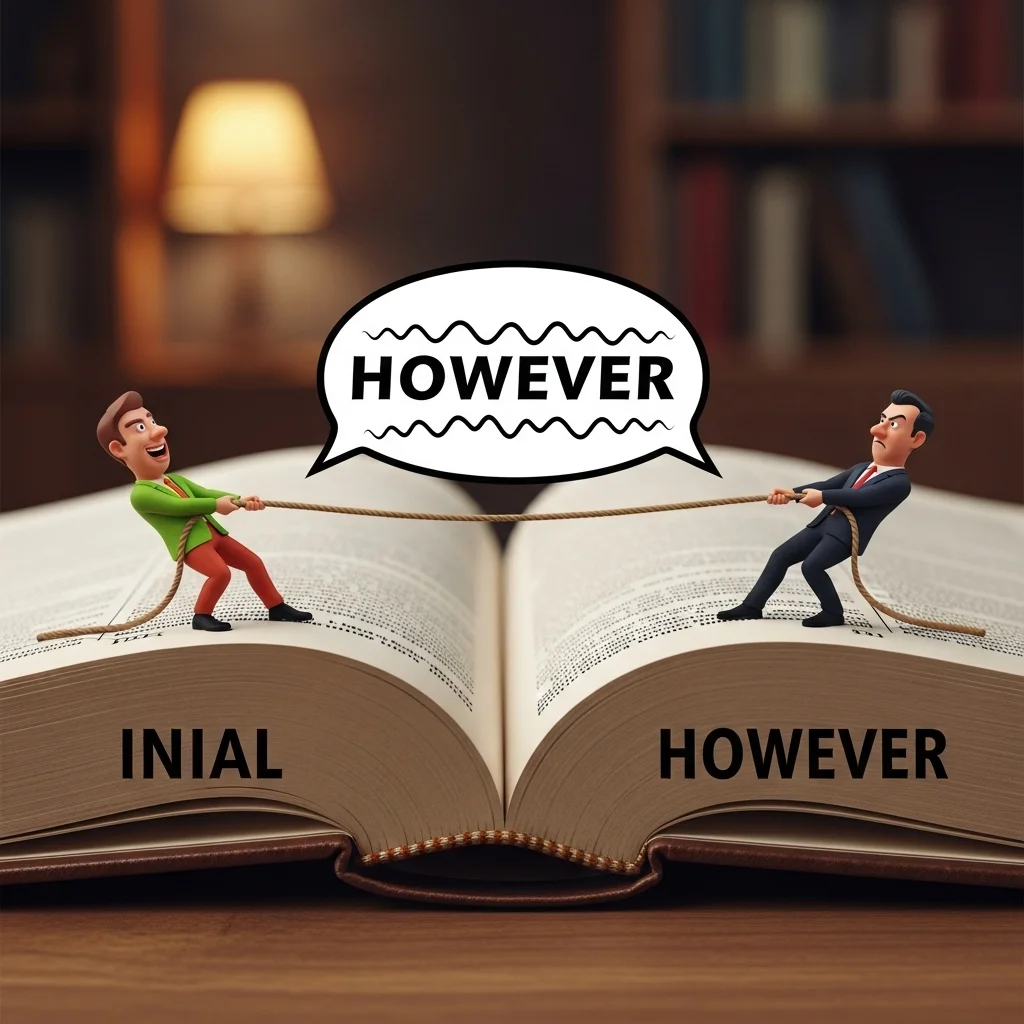
As a conjunction, however connects two contrasting ideas.
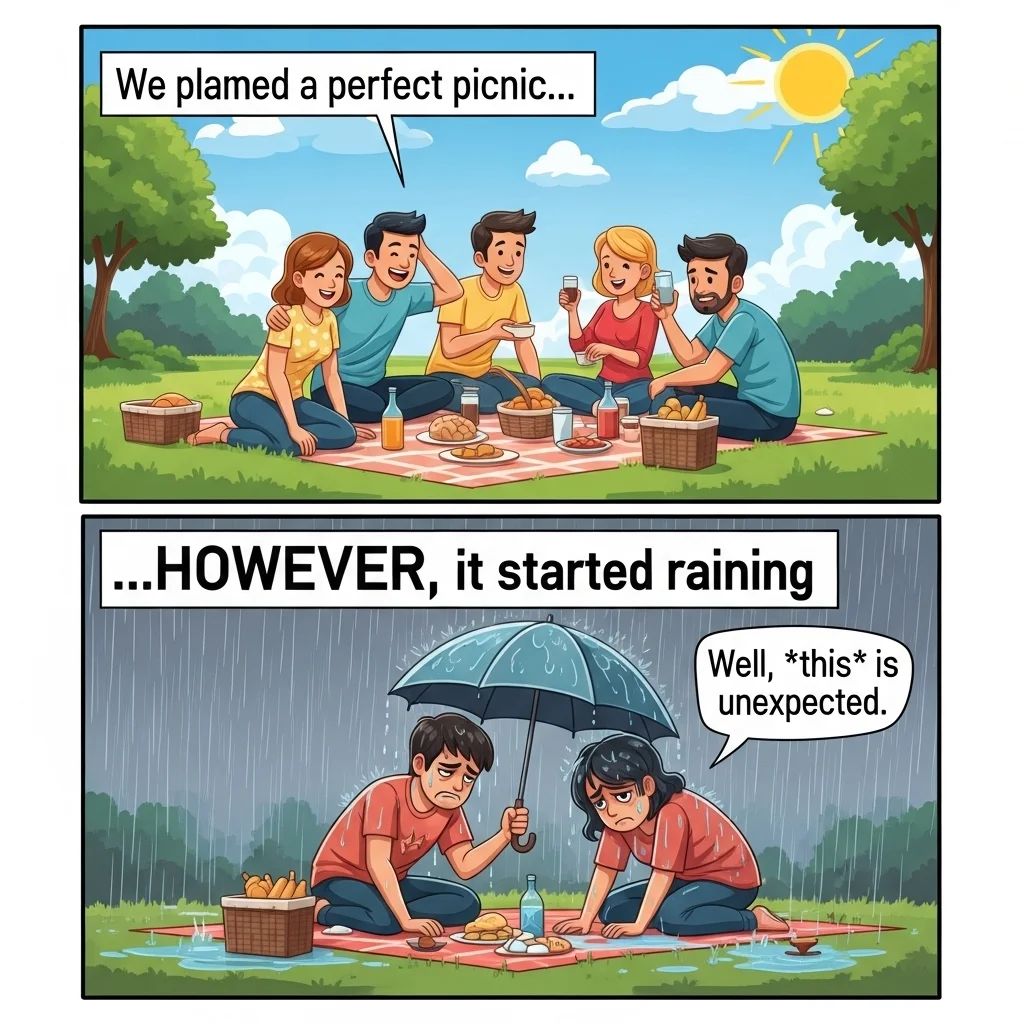
Example: I wanted to go to the park; however, it started raining.
It’s similar to saying “but” or “nevertheless.”
However Meaning as an Adverb
As an adverb, however can mean “in whatever way” or “to whatever extent.”
Example: However you try, you cannot finish it today.
It emphasizes method or degree.
However in Daily Conversation
In daily speech, however often signals a contrast or change in direction.
Example: I like pizza; however, I’m trying to eat healthier.
It is formal but commonly understood in everyday English.
However in Writing
In writing, especially formal writing, however is used to connect sentences or clauses.
It is often placed at the start of a sentence, followed by a comma.
Example: The plan seemed perfect. However, it failed in execution.
However Meaning in Texting or Informal Writing
In casual texting, however is less common. People often use “but” instead.
Example: I wanted to come, but it was too late.
However still works for clarity.
However vs But
“However” is more formal and used in writing; “but” is more common in conversation.
Example:
Writing: I studied hard; however, I did not pass.
Conversation: I studied hard, but I didn’t pass.
However vs Nevertheless
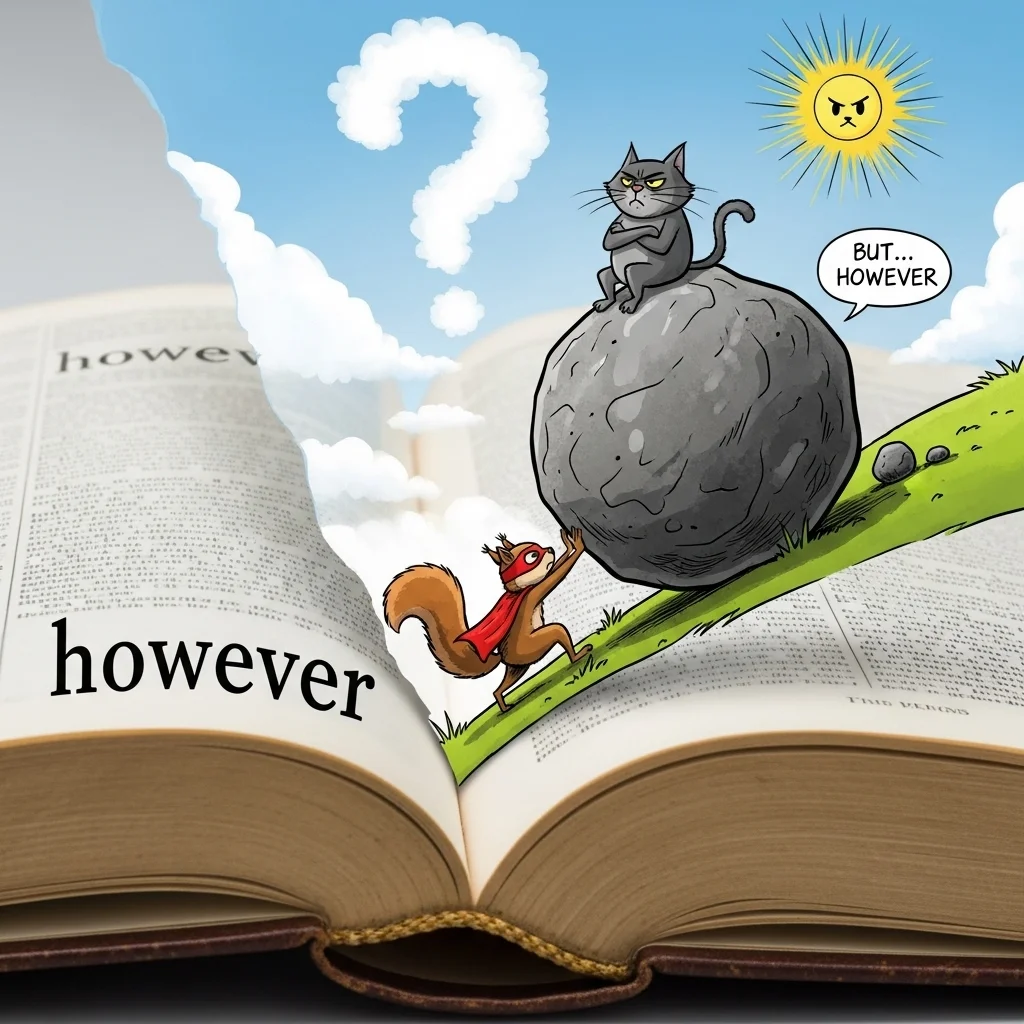
Both show contrast, but nevertheless emphasizes continuation despite the previous idea.
Example: It was raining; nevertheless, we went out.
Example: It was raining; however, we stayed home.
Emotional Tone of the Word However
However usually carries a neutral to formal tone. It is not emotional but shows contrast or exception.
Tone depends on placement and punctuation.
Common Misunderstandings About However
Many confuse however with “but” in casual conversation. It’s more formal and often needs punctuation in writing.
Placement in a sentence affects meaning.
However Meaning in Academic Writing
In academic writing, however is widely used to introduce contrasting arguments or exceptions.
Example: Many studies support this view; however, recent research challenges it.
However Meaning in Professional Writing
Professionals use however to soften statements or show contrast politely.
It improves flow and clarity in reports or emails.
However in Spoken English
In speech, however is less common. People use “but” or “though” more often.
Example: I like the idea, but I’m not sure it will work.
However as a Transition Word
However can function as a transition, connecting paragraphs or ideas.
It signals a shift in thought or perspective.
However Meaning in Legal and Formal Contexts
In legal writing, however introduces exceptions or clarifications.
Example: The contract is binding; however, certain conditions apply.
When to Use However Correctly
Use however to contrast ideas, introduce exceptions, or show alternative methods.
It works best in formal writing or structured sentences.
When Not to Use However
Avoid using however in casual text messages where “but” works fine. Overuse can make writing sound stiff.
Why However Is Important
However is important because it connects ideas clearly, shows contrast, and improves sentence flow. It is essential in formal English writing.