
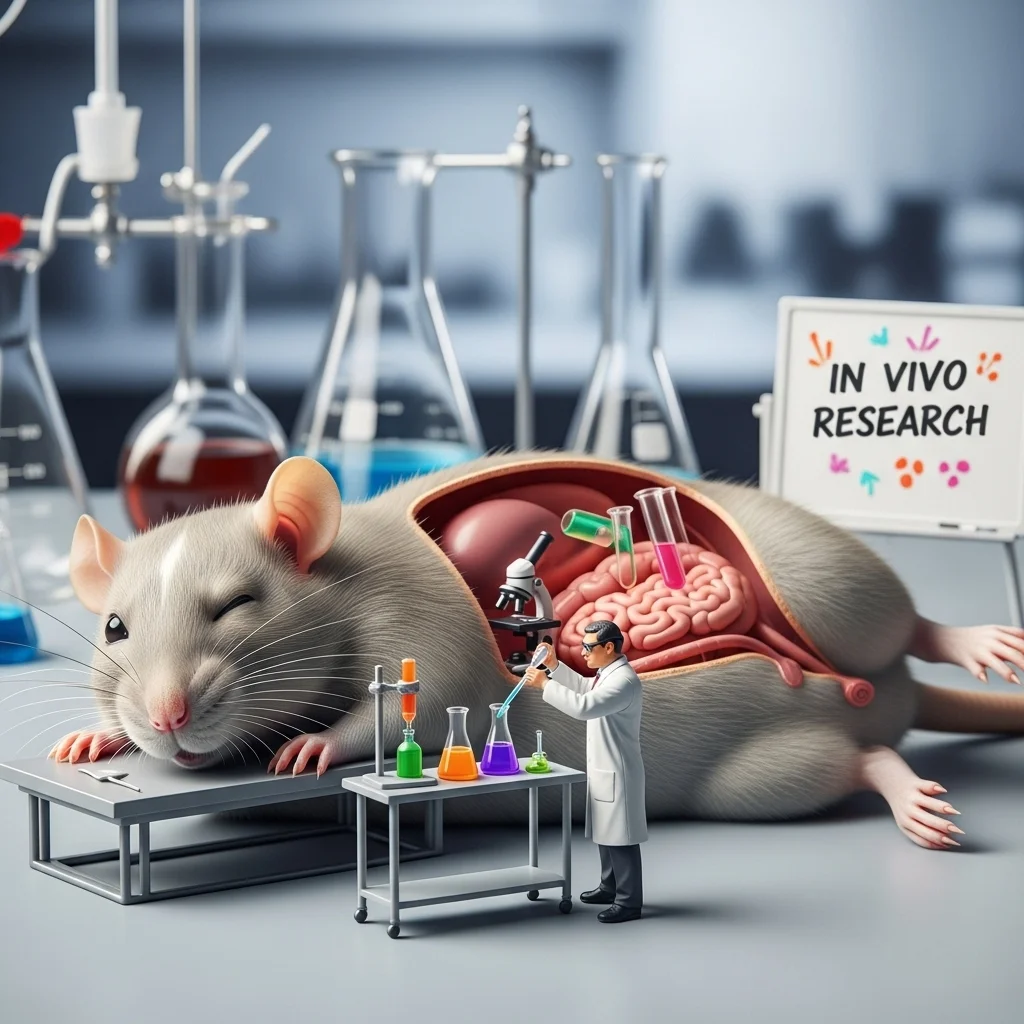

What Does In Vivo Meaning?
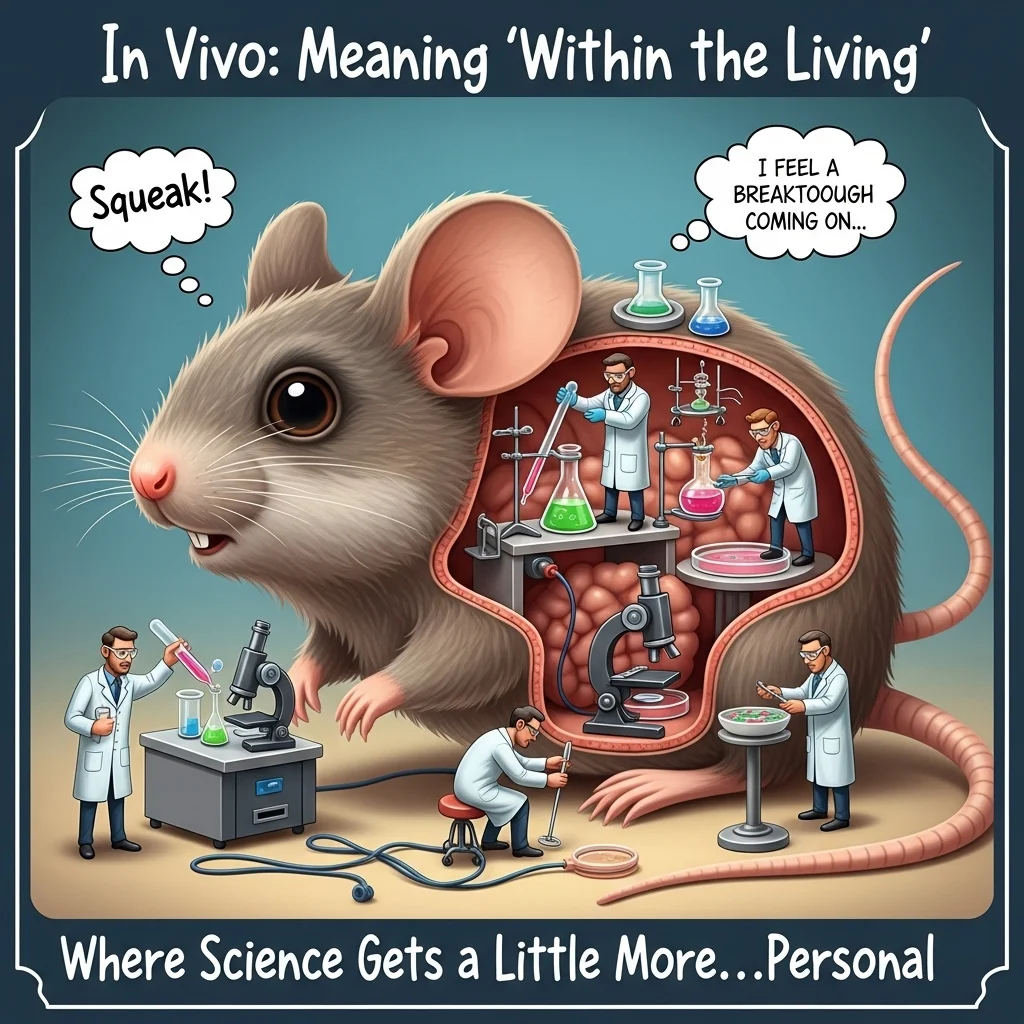
In vivo is a Latin phrase meaning “within the living.” It refers to experiments, studies, or processes that are conducted inside a living organism, such as animals, humans, or plants.
In Vivo Meaning in Medicine
In medicine, in vivo studies help scientists understand how drugs, treatments, or diseases affect living organisms under natural conditions.
In Vivo Meaning in Research
In vivo research allows researchers to observe biological processes in their natural environment. This helps produce more accurate and realistic results than studies done outside the organism.
In Vivo vs In Vitro
In vivo: Studies conducted inside living organisms.
In vitro: Studies done outside the organism, typically in a lab dish or test tube.
Both approaches are important, but in vivo provides more realistic insights into how biological systems function.
Examples of In Vivo Studies
Testing a new medication in lab animals
Observing tumor growth in mice
Studying immune responses in humans
Evaluating the effects of diet on metabolism in living subjects
In Vivo in Pharmacology
Pharmacologists use in vivo experiments to determine how drugs behave in a living body, including absorption, distribution, metabolism, and excretion.
In Vivo in Biology
Biologists use in vivo methods to study cellular processes, organ function, and interactions between organisms in their natural environment.
In Vivo Imaging
Modern technology allows scientists to study biological processes in vivo using imaging techniques like MRI, PET scans, and fluorescence microscopy.
Advantages of In Vivo Studies
Realistic and natural conditions
Provides complete organism-level data
Captures interactions between organs and systems
Limitations of In Vivo Studies
More expensive and time-consuming than in vitro studies
Ethical considerations, especially in animal or human studies
More variables can make results complex
In Vivo in Genetics
In vivo techniques are used to study gene expression, mutations, and genetic therapies in living organisms to understand real biological outcomes.
In Vivo in Neuroscience
Neuroscientists use in vivo methods to study brain activity, behavior, and neural responses directly in living animals or humans.
In Vivo in Immunology
In vivo studies help understand immune responses to infections, vaccines, or treatments, providing critical insights into how the body fights disease.
In Vivo vs In Silico
In vivo: Experiments inside living organisms
In silico: Computer simulations or modeling of biological processes
In silico is faster and cheaper, but in vivo gives real-life validation.
Common Misunderstandings About In Vivo
Some people think in vivo is just a fancy lab term. In reality, it’s simply a way of describing experiments or observations conducted inside a living organism rather than outside in a lab dish.
In Vivo in Pharmacology Research
Before new drugs are approved, in vivo studies are essential to test safety and effectiveness, ensuring they work in the complex environment of a living body.
In Vivo in Cancer Research
Cancer researchers use in vivo models to study tumor development, test treatments, and explore metastasis in realistic biological conditions.
Ethical Considerations
In vivo studies, especially involving animals, require strict ethical approval to minimize harm and ensure humane treatment. Researchers follow guidelines to balance scientific progress with ethics.
In Vivo Applications in Modern Science
Drug testing and development
Disease modeling
Vaccine research
Behavioral studies in animals
Regenerative medicine and gene therapy