


What Does Inpatient Mean
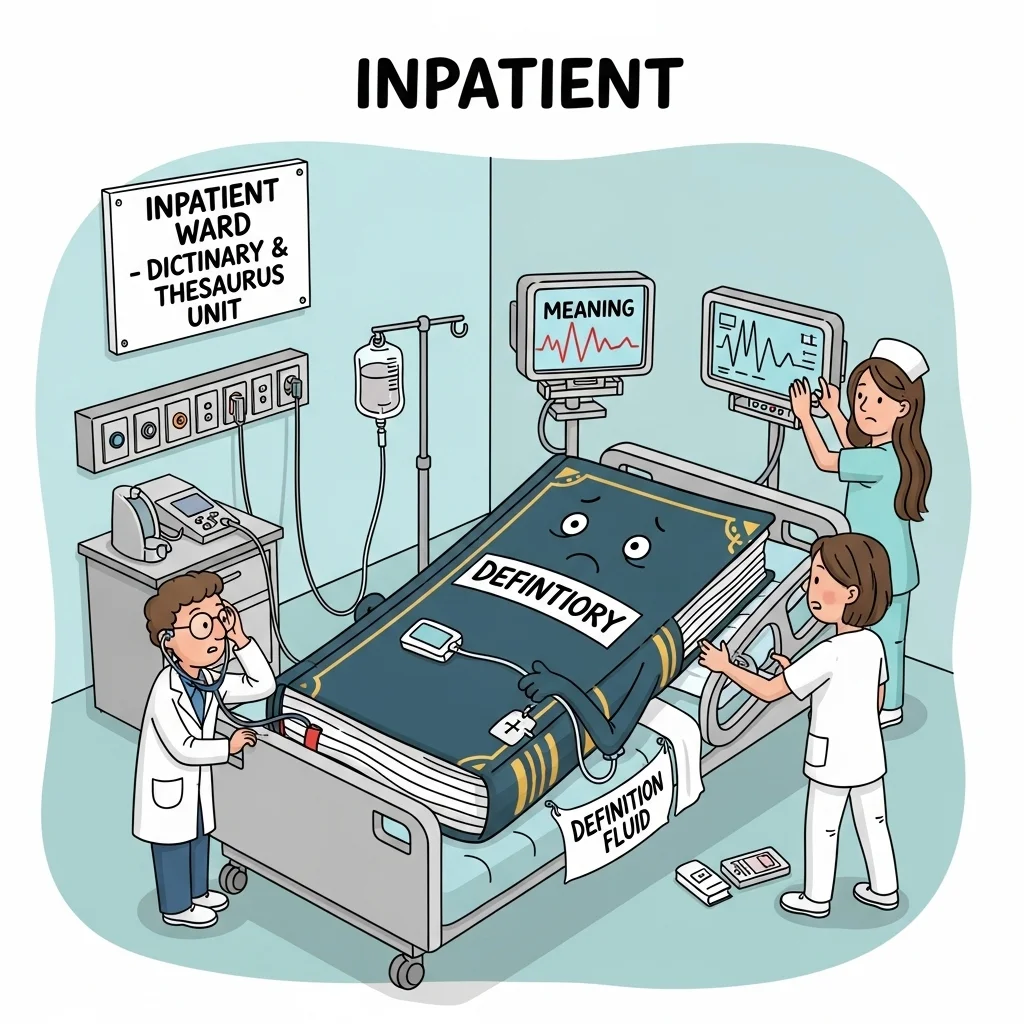
Inpatient refers to a person who stays in a hospital or medical facility overnight or longer for treatment. The key idea is that the patient is admitted and remains under care.
It describes both the patient and the type of treatment.
Inpatient Meaning in Simple Terms
In simple words, an inpatient is someone who stays at the hospital instead of going home the same day.
If you sleep in the hospital, you are an inpatient.
Origin of the Word Inpatient
The word inpatient combines “in” and “patient.” It literally means a patient who is “in” the hospital.
The term became common as modern healthcare systems developed.
Inpatient Meaning in Healthcare
In healthcare, inpatient care involves continuous medical supervision. Patients receive treatment, monitoring, and support around the clock.
This level of care is more intensive.
Inpatient Meaning in Hospitals
Hospitals classify patients as inpatient once they are formally admitted. This includes assigned rooms, nursing care, and meals.
The stay usually lasts more than one day.
Inpatient vs Outpatient
Inpatient means staying overnight, while outpatient means receiving treatment and going home the same day.
This distinction affects care, cost, and insurance coverage.
Inpatient Meaning in Medical Treatment
Inpatient treatment is used for serious conditions, surgeries, or recovery needs. It allows doctors to monitor patients closely.
Safety is the main reason.
Inpatient Meaning in Mental Health Care
In mental health, inpatient care involves staying in a facility for therapy and support. It’s used when someone needs close supervision.
The focus is on stabilization and recovery.
Inpatient Meaning in Insurance Terms
Insurance companies use inpatient to determine coverage. Inpatient services usually cost more and have different billing rules.
Approval is often required.
Inpatient Meaning in Surgery
Many major surgeries require inpatient care. Patients stay overnight to manage pain and watch for complications.
Minor procedures are often outpatient.

Inpatient Meaning in Emergency Situations
In emergencies, patients may start as emergency cases and then become inpatients. This happens when doctors decide a hospital stay is necessary.
Admission changes the care plan.
Length of Inpatient Stay
Inpatient stays can last from one night to several weeks. The length depends on the condition and recovery speed.
Doctors decide when discharge is safe.
Daily Life Impact of Being an Inpatient
Being an inpatient affects daily routines. Patients follow hospital schedules and medical instructions.
Family visits are usually regulated.
Inpatient Meaning in Medical Records
Medical records label patients as inpatient or outpatient. This classification helps organize care and billing.
It’s an important administrative term.
Common Conditions Requiring Inpatient Care
Serious infections, major injuries, and complex surgeries often require inpatient care. The goal is close monitoring.
Not all illnesses need it.
Common Misunderstandings About Inpatient
Many think inpatient means long-term hospitalization. In reality, even one overnight stay counts.
Duration does not define seriousness.
Inpatient Meaning in Modern Healthcare
Modern healthcare aims to reduce inpatient stays when possible. Advances allow more outpatient treatment.
Inpatient care is still essential.
When Inpatient Care Is Necessary
Inpatient care is necessary when constant medical attention is needed. Safety and recovery guide the decision.
Doctors evaluate risks carefully.
When Inpatient Care Is Not Required
If treatment is simple and recovery is quick, outpatient care is preferred. This reduces cost and disruption.
Not every condition needs admission.
Why the Term Inpatient Is Important
Understanding inpatient meaning helps patients make informed decisions. It clarifies expectations about care and costs.
It improves communication with providers.