
What Does Litany Mean
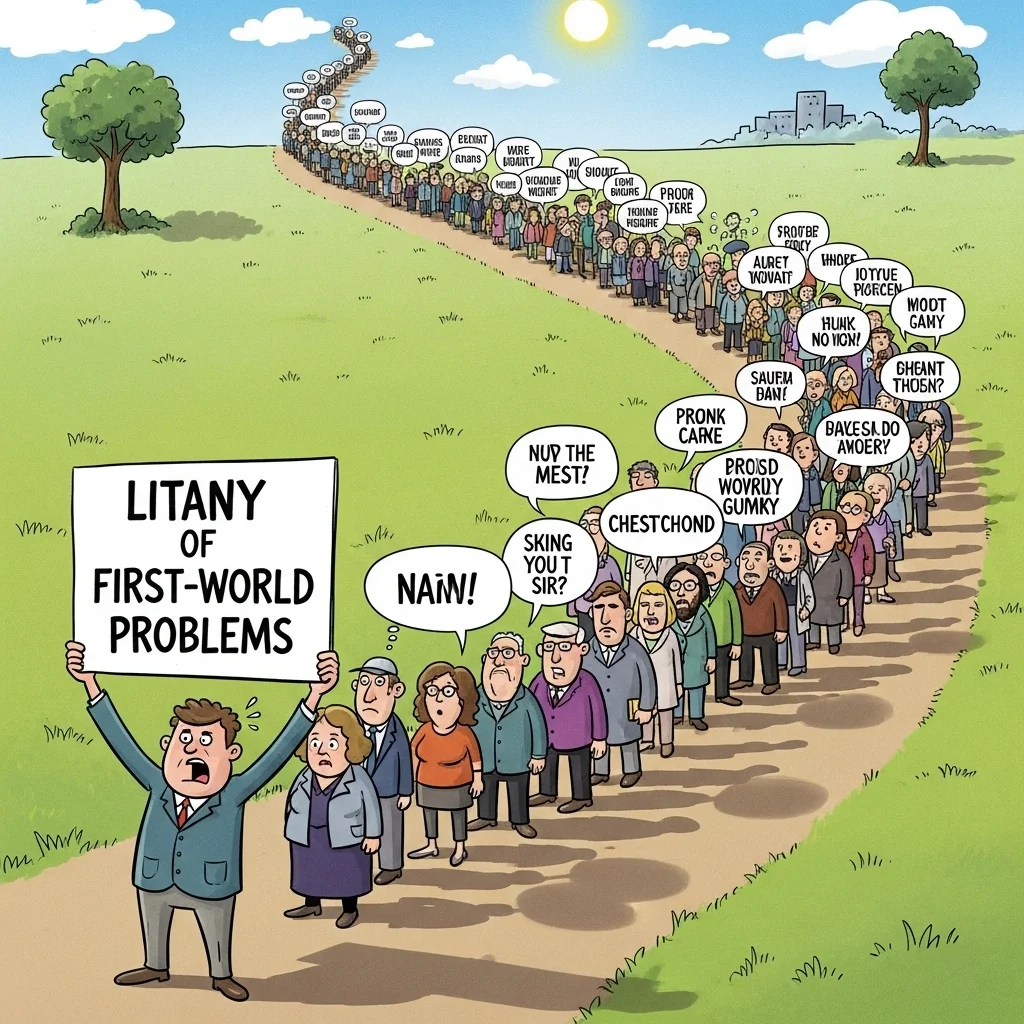
Litany means a long series or repeated list, especially one that feels familiar or tiring. It can refer to spoken words, events, or complaints.
The word often suggests repetition.
Litany Meaning in Simple Terms
In simple terms, litany means a long list that keeps going. It usually feels predictable or repetitive.
It’s more than just a short list.
Origin of the Word Litany
Litany comes from religious traditions, especially Christian worship. It originally described a form of prayer with repeated responses.
Over time, the meaning expanded beyond religion.
Litany Meaning in Religion
In religion, a litany is a structured prayer. One person speaks a line, and the group responds.
These prayers follow a repeated pattern.
Litany Meaning in Daily Language
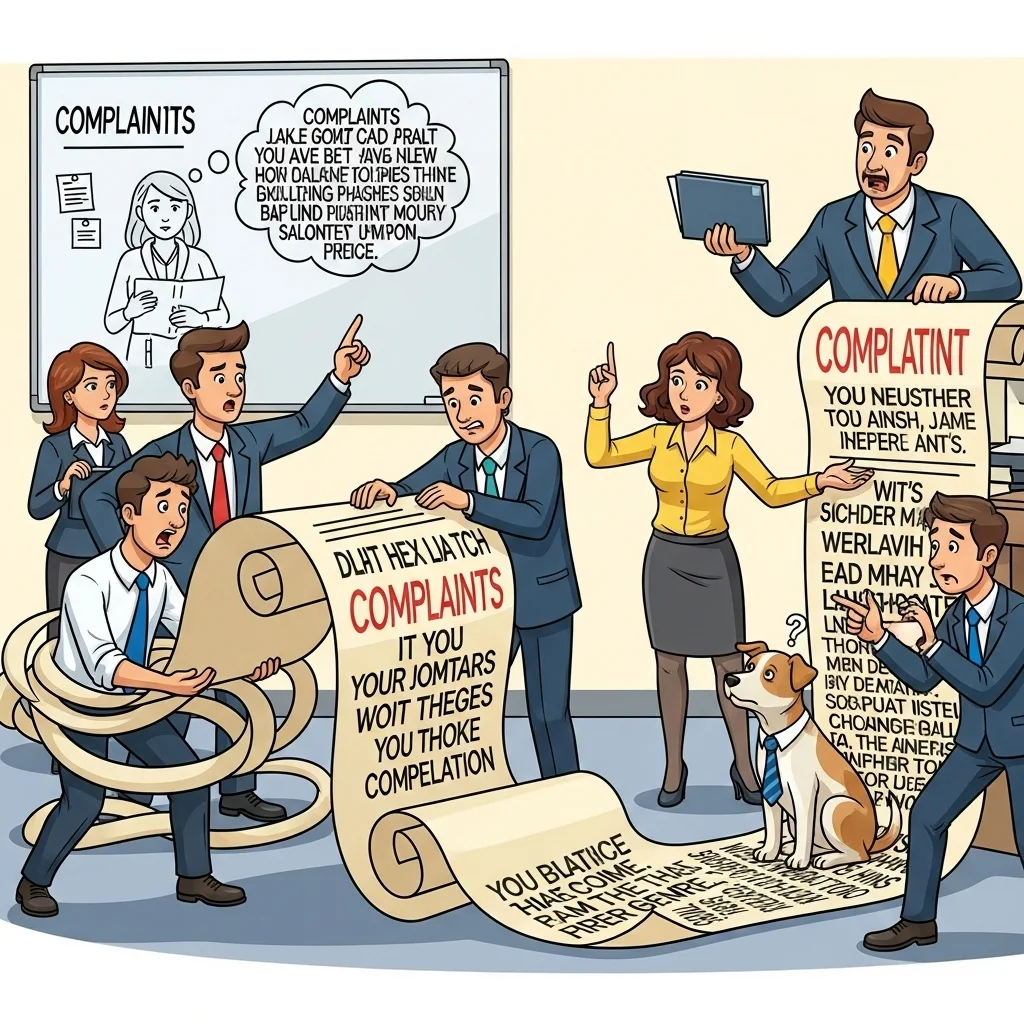
In everyday language, litany describes repeated issues or events. For example, “a litany of complaints” means many complaints said over time.
It often carries a negative tone.
Litany Meaning in Writing
Writers use litany to emphasize length and repetition. It helps show how overwhelming something feels.
It adds emotional weight to descriptions.
Litany Meaning in News and Media
In news reporting, litany is used to describe repeated failures or problems. It suggests the issue is ongoing.
The word highlights seriousness.
Litany Meaning in Speeches
Speakers use litany to list repeated challenges or achievements. It can be persuasive or dramatic.
The repetition strengthens the message.
Emotional Tone of the Word Litany
Litany often sounds serious or heavy. It can feel tiring or overwhelming.
However, it can also sound formal and thoughtful.
Litany vs List
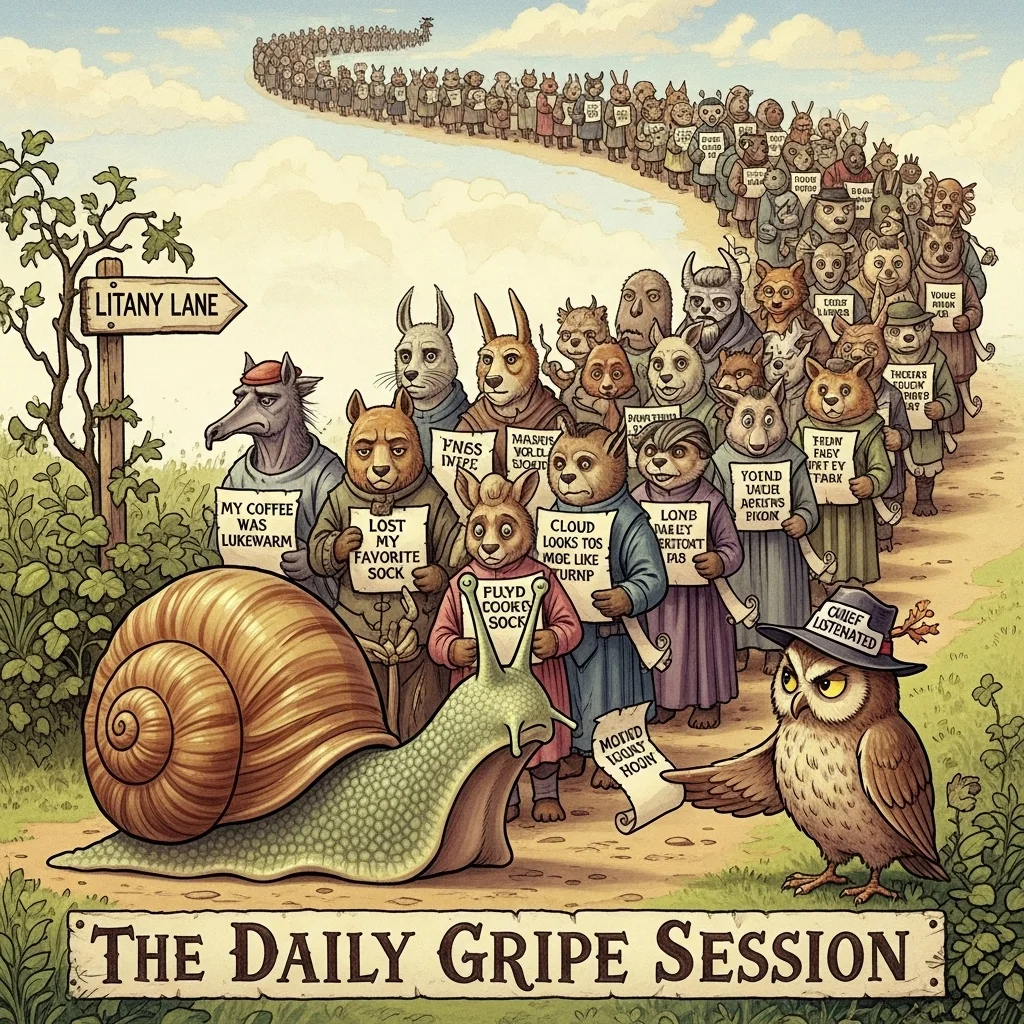
A list is neutral. A litany suggests repetition and emotional impact.
That’s the key difference.
Litany vs Complaint
A complaint is a single issue. A litany of complaints means many repeated problems.
The word adds scale and frustration.
Litany Meaning in Modern Usage
Today, litany is mostly used figuratively. It’s common in writing and formal speech.
It’s less common in casual talk.
Common Situations Where Litany Is Used
The word is often used with problems, mistakes, or excuses. It highlights patterns over time.
It suggests “here we go again.”
Positive Uses of Litany
Though often negative, litany can be neutral or positive. A litany of achievements means many successes.
Context determines tone.
Common Misunderstandings About Litany
Some think litany only applies to religion. While that’s its origin, modern usage is much broader.
It’s widely used today.
Litany Meaning in Academic Writing
In academic writing, litany may describe recurring issues or themes. It adds emphasis without exaggeration.
It’s used carefully.
Litany Meaning in Professional Settings
In professional settings, litany can describe repeated problems or procedures. It signals patterns that need attention.
It’s more formal than casual speech.
When to Use the Word Litany
Use litany when you want to stress repetition and length. It’s ideal for serious or reflective contexts.
It adds depth to language.
When Not to Use Litany
Avoid using litany for short or one-time events. It doesn’t fit quick or light topics well.
Clarity matters.

Why Litany Is Still Used Today
Litany remains useful because it captures repetition clearly. It helps people understand ongoing patterns.
The word feels timeless.