
Morale Meaning in Simple Terms
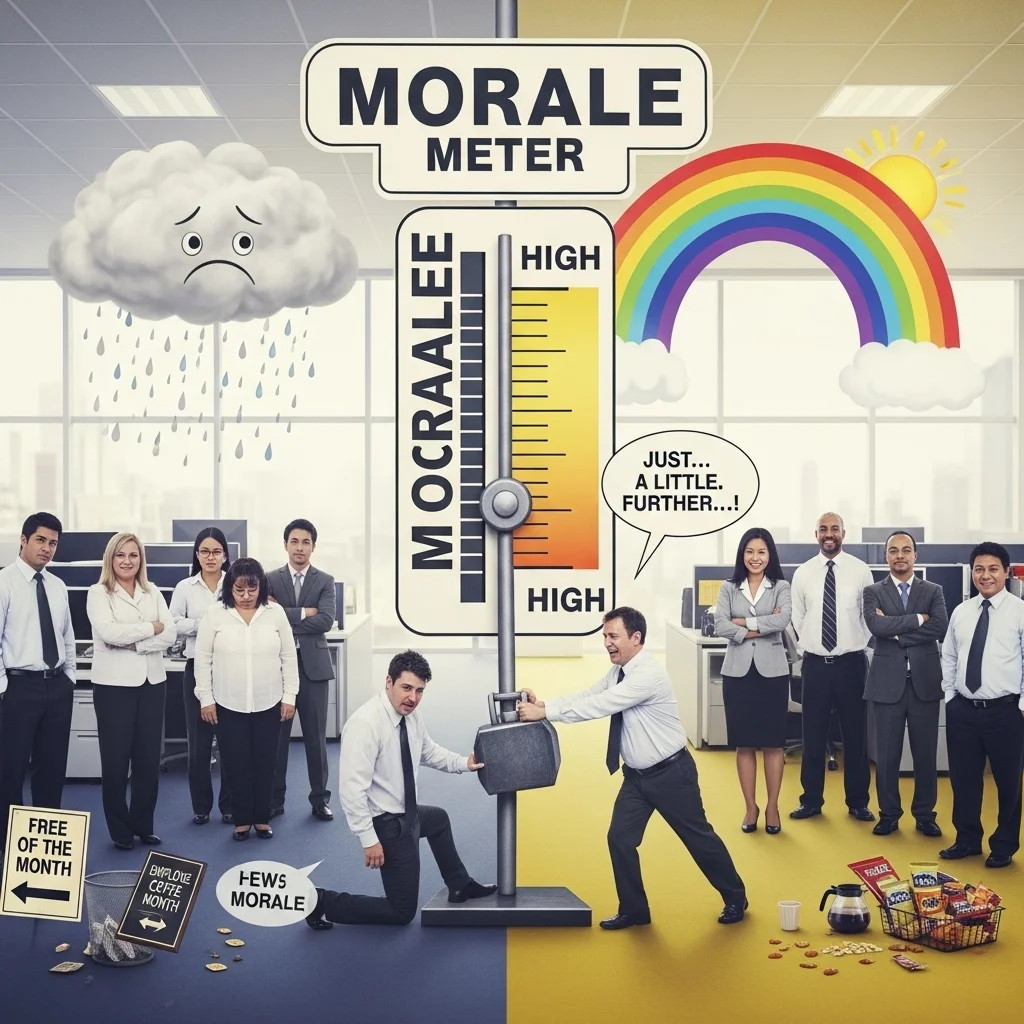
Morale means how positive, confident, and motivated a person or group feels. It reflects emotional strength, attitude, and willingness to perform well.
What Morale Represents Emotionally
Morale shows how people feel inside. High morale means optimism and energy, while low morale means discouragement or lack of motivation.
Morale Meaning in Daily Life
In everyday life, morale can describe family mood, personal motivation, or group spirit. For example, good news can raise morale at home.
Morale Meaning in the Workplace
At work, morale refers to employees’ satisfaction, motivation, and attitude toward their job and organization.
High Morale Meaning
High morale means people feel confident, valued, and motivated. They usually work better and cooperate more.
Low Morale Meaning
Low morale means people feel unhappy, stressed, or unmotivated. Productivity and teamwork often suffer.
Morale Meaning in Teams
Teams with strong morale trust each other and stay positive, even during challenges or pressure.
Morale Meaning in Sports
In sports, morale refers to a team’s mental strength and confidence, especially after wins or losses.
Morale Meaning in Education
In schools, morale can describe how motivated students or teachers feel about learning and teaching.
Morale Meaning in Leadership
Good leaders focus on morale by encouraging, supporting, and recognizing people’s efforts.
Morale Meaning in Military Context
In the military, morale refers to soldiers’ mental strength, discipline, and confidence during difficult situations.
How Morale Affects Performance
High morale usually leads to better focus, energy, and results, while low morale leads to mistakes and burnout.
Factors That Influence Morale
Communication, respect, rewards, environment, and leadership all play a role in shaping morale.
How Morale Changes Over Time
Morale is not fixed. It can improve or decline based on experiences, events, and support systems.
Morale vs Motivation Meaning
Motivation is the drive to act, while morale is the emotional state that supports motivation.
Morale vs Attitude Meaning
Attitude is an individual mindset, while morale reflects the overall emotional condition of a group.
Common Misunderstandings About Morale
Many think morale is only about happiness, but it also includes confidence, purpose, and emotional strength.
Is Morale Positive or Negative?
Morale itself is neutral. It becomes positive when high and negative when low.
Why Morale Matters Today
In modern life and work culture, morale affects productivity, mental health, teamwork, and success.
How to Improve Morale
Encouragement, fairness, recognition, and open communication help raise morale effectively.