


What Does No Hard Feelings Meaning?
“No hard feelings” means there are no negative emotions remaining after a disagreement or difficult situation. It signals forgiveness, emotional maturity, and a desire to move on peacefully.
Simple Definition in Plain English
In the simplest words, it means:
“I am not upset with you anymore.”
Literal Meaning of the Phrase
Literally, “hard feelings” refers to strong or painful emotions like anger or resentment. Saying “no hard feelings” means those emotions do not exist.
Emotional Meaning Behind the Phrase
Emotionally, the phrase shows calmness and acceptance. It tells the other person that the issue is over and not taken personally.
How It Is Used in Daily Conversation
People often say “no hard feelings” after:
Arguments
Rejections
Ending relationships
Disagreements at work
“No Hard Feelings Meaning” After an Argument
After a fight, this phrase helps restore peace. It shows that the argument did not damage the relationship permanently.
Meaning in Friendships
Among friends, “no hard feelings” reassures that friendship remains strong despite misunderstandings or honest opinions.
Meaning in Romantic Relationships
In romantic situations, it is often used after breakups or disagreements to show respect and emotional closure.
Meaning in the Workplace
At work, “no hard feelings” is used professionally to avoid tension after criticism, rejection, or business decisions.
Use in Apologies
When paired with an apology, the phrase suggests forgiveness and emotional resolution.
Modern Usage and Tone
Today, “no hard feelings” sounds polite, calm, and emotionally intelligent. It is widely accepted in both casual and professional settings.

Is It Formal or Informal?
The phrase is semi-formal. It works in casual conversations and polite professional communication.
Common Situations Where It Is Said
Turning down an offer
Giving honest feedback
Ending collaborations
Declining invitations
Common Misunderstandings of the Phrase
Some people think it always means full forgiveness. In reality, it often means no open hostility, not deep emotional healing.
Does It Always Mean Forgiveness?
Not always. It mainly means there is no anger, even if feelings still need time to settle.
When Not to Use “No Hard Feelings”
Avoid using it sarcastically or when emotions are still raw. That can sound insincere.
Similar Phrases With the Same Meaning
No worries
It’s all good
No problem
We’re cool
Difference Between “No Hard Feelings” and “It’s Fine”
“No hard feelings” is clearer and more intentional, while “it’s fine” can sometimes sound uncertain or passive.
Cultural Understanding of the Phrase
In many cultures, the phrase reflects emotional maturity and respect, especially in conflict resolution.
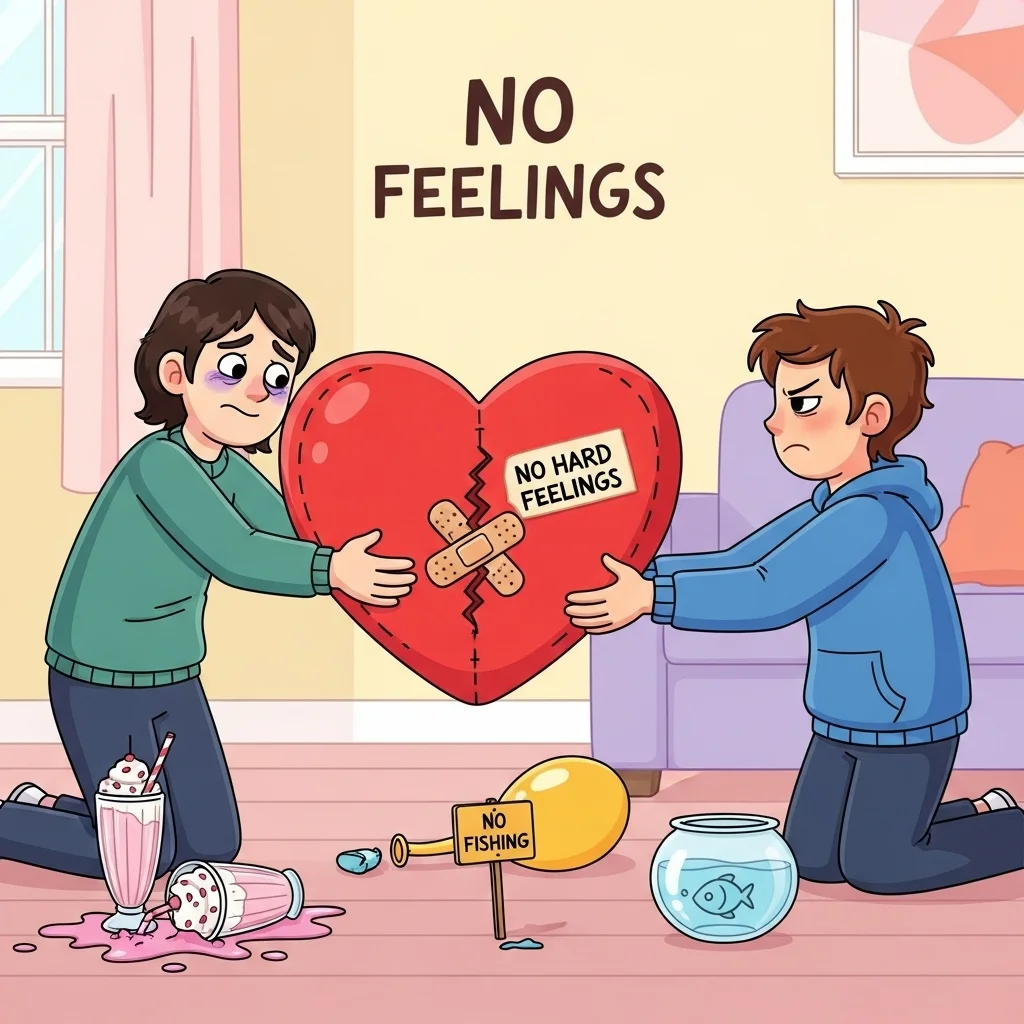
Why People Say “No Hard Feelings Meaning”
People say it to:
Reduce tension
Maintain relationships
Show emotional control
End situations peacefully