
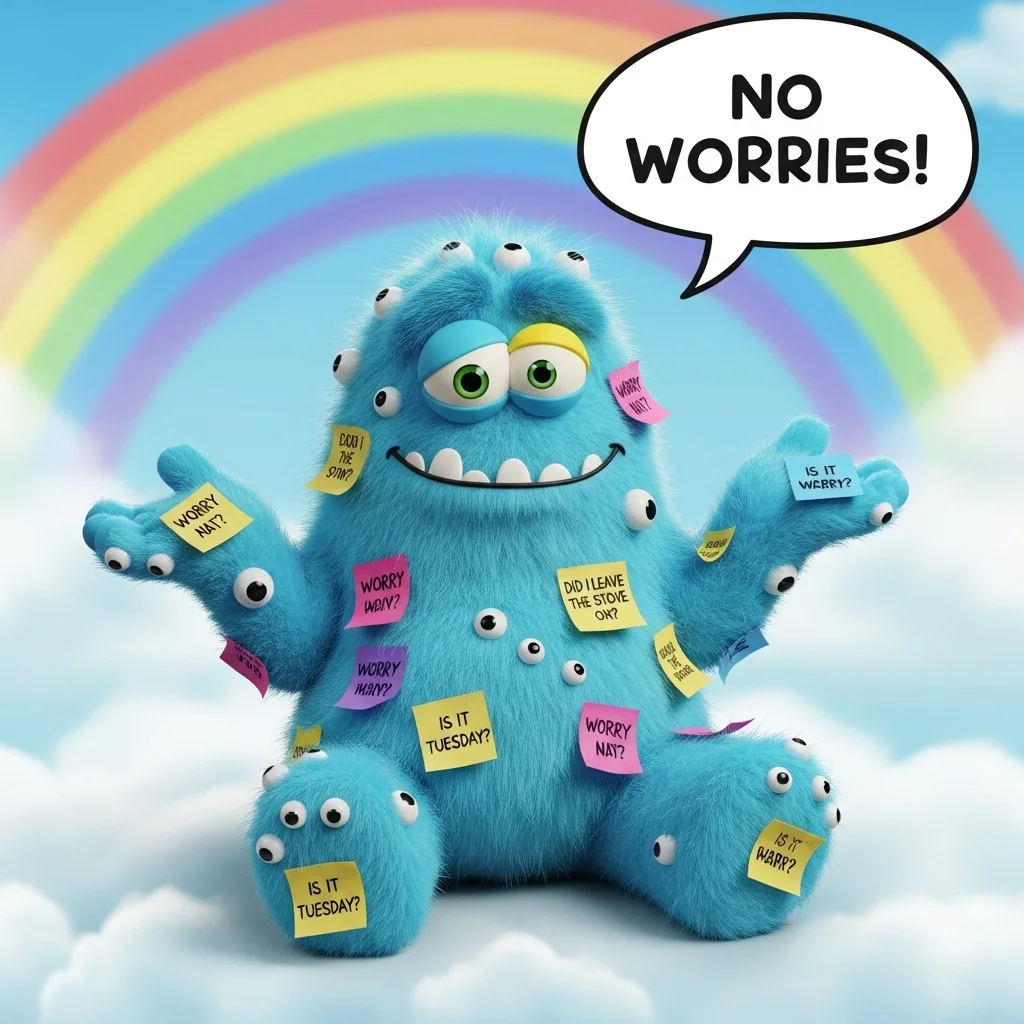

No Worries Meaning in Simple Terms
No worries means “it’s okay,” “don’t worry about it,” or “there’s no problem.” It reassures the other person that everything is fine.
Origin of “No Worries”
The phrase became popular in Australian English, where it’s commonly used to express friendliness and ease. Over time, it spread globally and is now widely used in everyday English.
No Worries Meaning in Daily Conversation
In daily life, people say “no worries” to respond politely and casually.
Example:
– “Sorry I’m late.”
– “No worries!”
No Worries as a Reassuring Phrase
The phrase is often used to reduce stress or tension. It signals understanding and calmness in a conversation.
No Worries Meaning in Texting
In texting and messaging apps, no worries is a friendly reply that shows flexibility and patience.
Example: “No worries, take your time.”
No Worries Meaning in the Workplace
In informal work environments, “no worries” can show cooperation. However, in very formal settings, phrases like “no problem” or “that’s fine” may be preferred.
No Worries vs No Problem
Both phrases are similar, but no worries sounds more relaxed and friendly, while no problem is more neutral.
No Worries vs It’s Okay
“It’s okay” can sound emotional or serious. No worries feels lighter and more casual.
No Worries in Customer Service
Customer service staff often use “no worries” to reassure customers that their request or mistake is not an issue.
No Worries in Modern Slang
In modern slang, “no worries” reflects a chill attitude. It’s often used to show openness, kindness, and flexibility.
No Worries in Social Media
On social media, “no worries” appears in comments and replies to keep conversations friendly and positive.

No Worries and Tone
Tone matters. Said sincerely, it feels comforting. Said sarcastically, it can sound dismissive, depending on context.
When to Use No Worries
You can use it when:
Someone apologizes
Someone thanks you
Plans change
You want to sound relaxed
When Not to Use No Worries
Avoid using it in:
Very formal writing
Serious complaints
Legal or official communication
Common Misunderstandings
Some people think “no worries” means the issue wasn’t important. In reality, it usually means forgiveness or understanding.
No Worries in Different English Dialects
The phrase is common in Australian, British, and informal American English, though tone and frequency may vary.
Examples of No Worries Usage
“Thanks for helping me.” — “No worries!”
“Sorry for the delay.” — “No worries at all.”
“Can we reschedule?” — “No worries, that works.”
No Worries Meaning in Text Replies
It’s often shortened in texts as:
“No worries”
“No worries :)”
“No worries at all”
Why People Like Saying No Worries
People like it because it sounds:
Friendly
Relaxed
Non-judgmental
Polite

Quick Tips to Remember No Worries
Means everything is okay
Casual and friendly
Common after apologies or thanks
Best for informal situations