

What is Pathos Meaning?
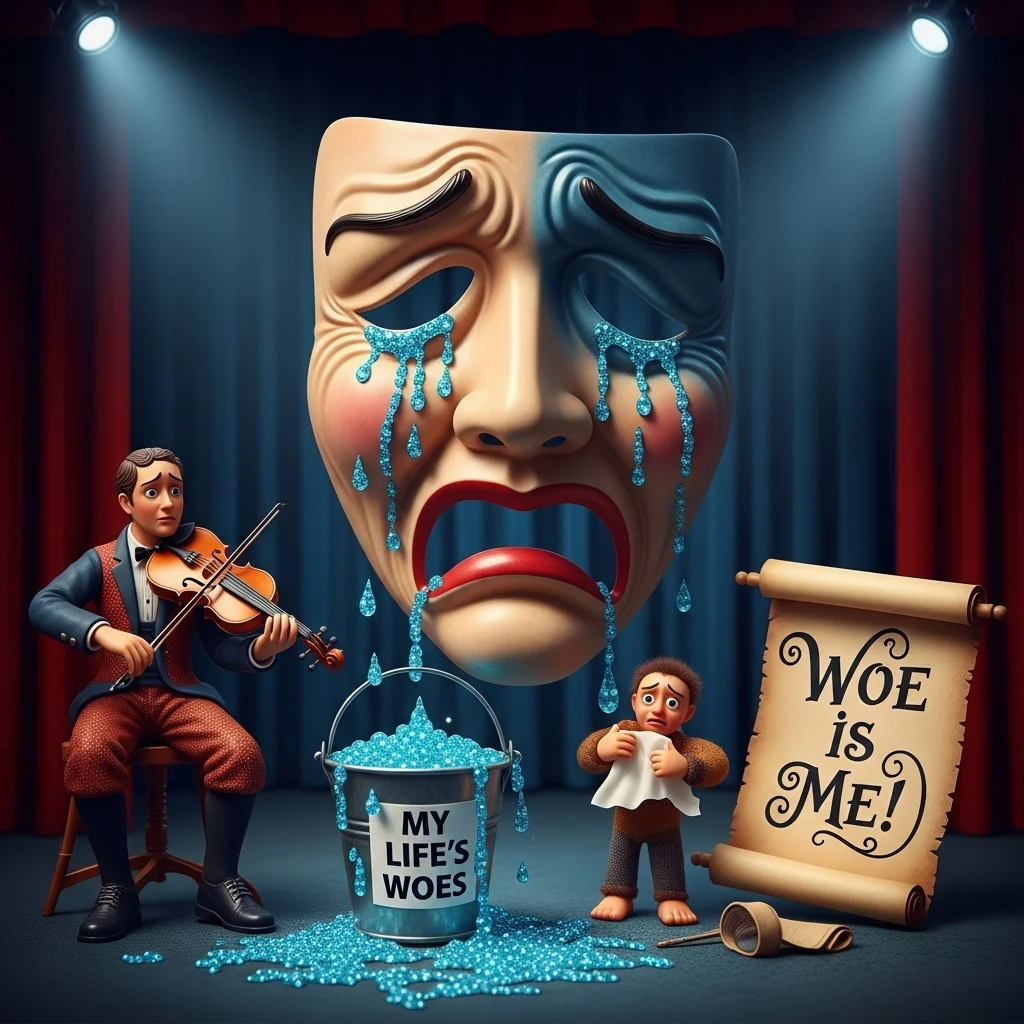
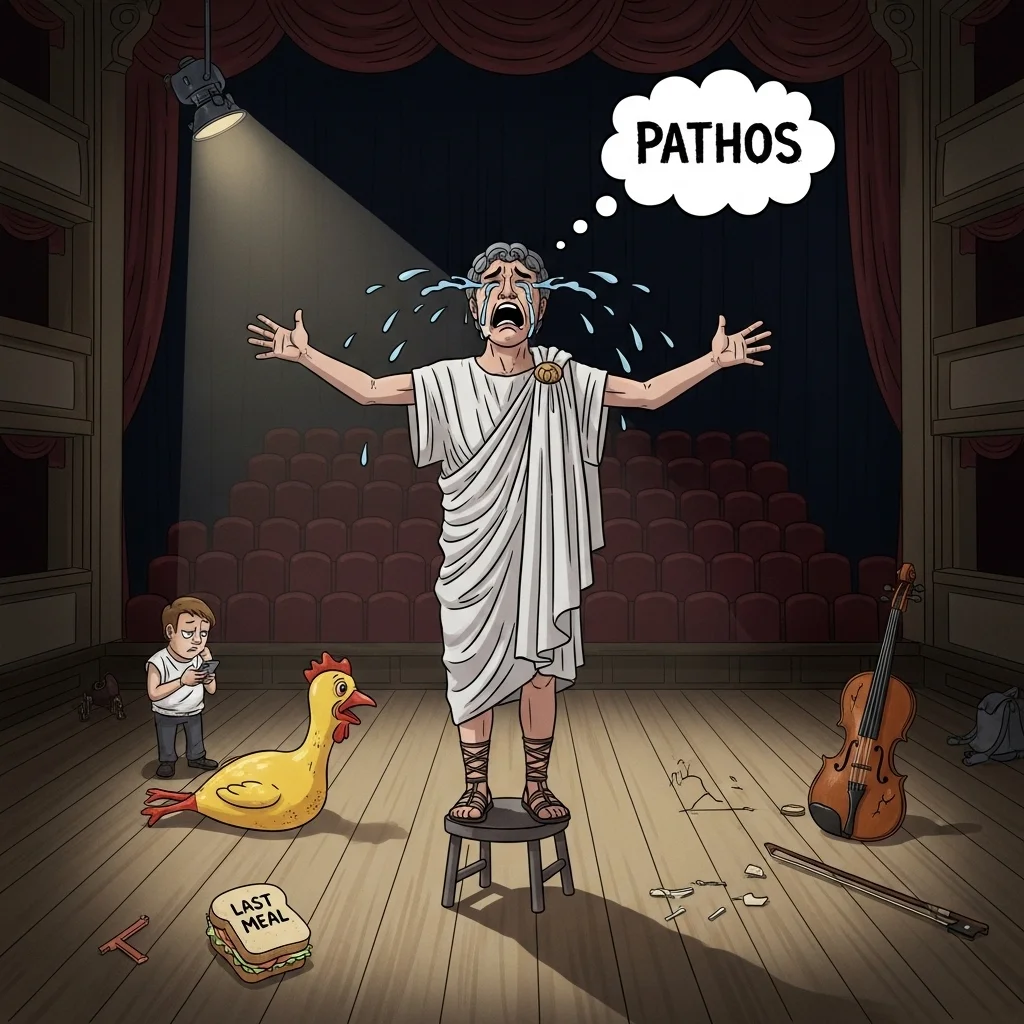
Pathos is a rhetorical device that appeals to the audience’s emotions. It is used to evoke feelings such as pity, sadness, joy, or empathy to strengthen a message.
Pathos Meaning in Literature
Writers use pathos to create emotional connections between the reader and the story. For example, a character’s struggles can inspire sympathy or compassion.
Pathos Meaning in Speeches
In speeches, pathos persuades the audience by triggering emotional responses. Politicians, motivational speakers, and advocates often rely on pathos to inspire action.
Pathos Meaning in Daily Life
Pathos is not limited to formal writing or speeches. In everyday life, it appears when you tell a story, share experiences, or show empathy to influence emotions.
Pathos vs Logos and Ethos
Pathos is one of the three pillars of persuasion, along with:
Logos – appeal to logic or reason
Ethos – appeal to credibility or character
Pathos focuses on feelings rather than facts or authority.
Pathos in Advertising
Advertisers use pathos to influence consumers’ emotions. Heartwarming commercials, inspiring stories, or emotional imagery create a strong connection with audiences.
Pathos in Film and Media
Movies and TV shows often use pathos to make viewers feel sad, joyful, or empathetic toward characters or situations. This strengthens engagement and emotional impact.
Pathos in Poetry
Poets use pathos to evoke emotion through carefully chosen words, imagery, and rhythm, creating a deep connection with the reader.
Pathos in Modern Communication
In social media, blog posts, and marketing, pathos is used to engage audiences emotionally. Sharing personal stories or challenges can create empathy and understanding.
Common Misunderstandings About Pathos
Some people confuse pathos with pity alone. While pathos can create pity, it also evokes broader emotions like love, hope, fear, or joy.
Pathos in Education
Teachers use pathos to inspire students, making lessons more engaging and relatable by connecting concepts to real-life experiences or stories.
Pathos in Politics
Politicians use pathos to appeal to voters’ emotions, often highlighting social issues, shared struggles, or hopes for the future.
Pathos in Marketing Campaigns
Marketing campaigns often rely on pathos to create emotional bonds between consumers and brands, driving loyalty and action.
Pathos and Empathy
Pathos encourages empathy by helping people understand others’ experiences and emotions. This builds stronger relationships and social connection.
Pathos in Storytelling
Storytellers use pathos to make narratives memorable and meaningful, ensuring audiences feel connected to the characters or message.
Pathos in Music
Songwriters often use pathos to evoke emotions through lyrics, melody, and rhythm, creating a deep emotional response in listeners.
Pathos in Social Movements
Activists and social campaigns use pathos to inspire action and awareness by appealing to emotions like compassion, anger, or hope.
How to Recognize Pathos
You can identify pathos when content or communication:
Evokes strong feelings
Creates empathy or sympathy
Uses emotional language, stories, or imagery
How to Use Pathos Effectively
To use pathos well:
Understand your audience’s emotions
Use stories and examples
Balance emotion with logic (logos) and credibility (ethos)