What Does Poaching Mean?
Poaching generally means taking something illegally or unfairly. However, its exact meaning changes depending on the context, such as cooking, wildlife, or business.
Poaching Meaning in Simple Words
In simple words, poaching means taking something without permission or doing something in an improper way. In cooking, it has a completely different and harmless meaning.
Origin of the Word Poaching
The word poaching comes from Middle French pochier, meaning “to enclose or trap.” Over time, it became associated with illegal hunting and other forms of unauthorized taking.
Poaching Meaning in Cooking
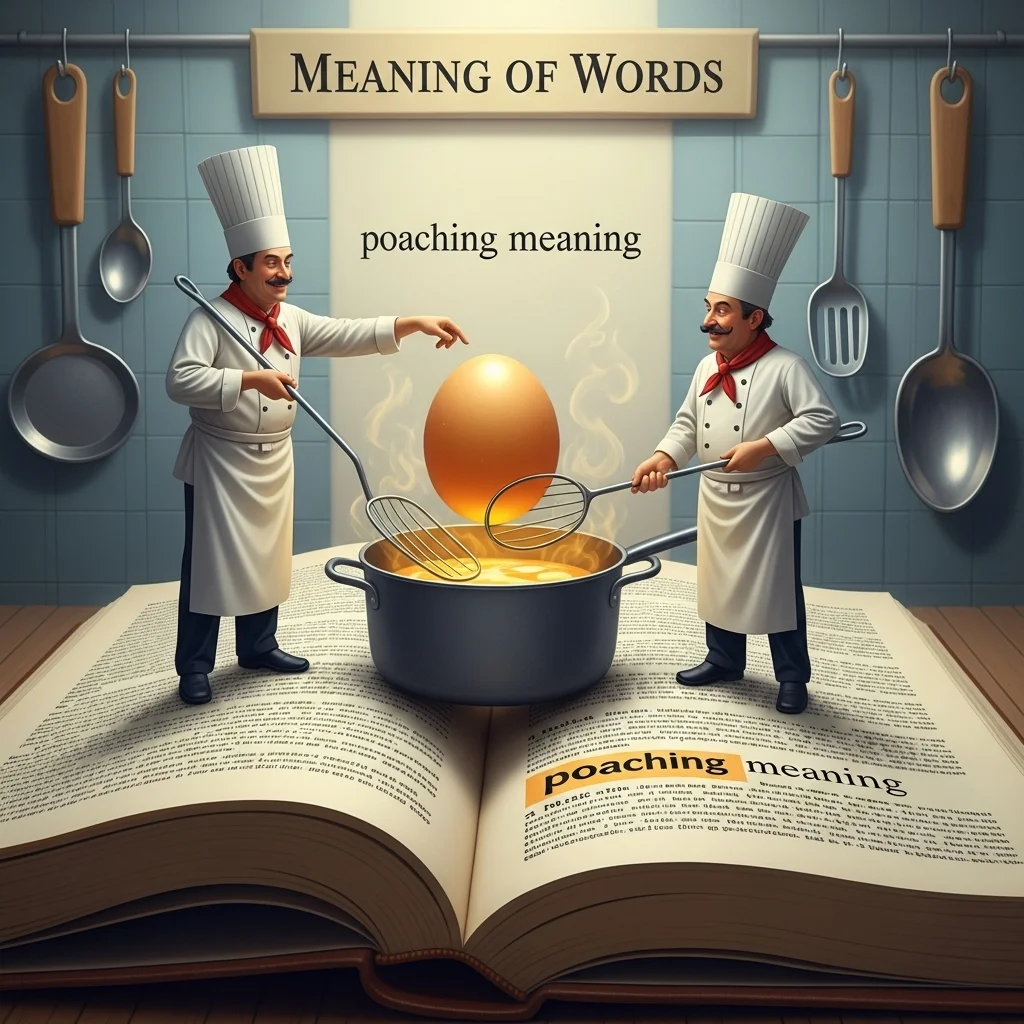
In cooking, poaching means gently cooking food in liquid, such as water or milk, at a low temperature. Common examples include poached eggs and poached fish.
Poaching Meaning in Daily Cooking
When cooking at home, poaching is used to keep food soft and healthy because it does not require oil or frying.
Poaching Meaning in Wildlife
In wildlife, poaching means hunting, capturing, or killing animals illegally. This is the most serious and widely discussed meaning of poaching.
Why Wildlife Poaching Is Illegal
Wildlife poaching is illegal because it threatens endangered species, disrupts ecosystems, and breaks conservation laws.
Poaching Meaning in Environmental Context
Environmentally, poaching refers to actions that harm biodiversity and natural balance by removing protected animals.
Poaching Meaning in Business
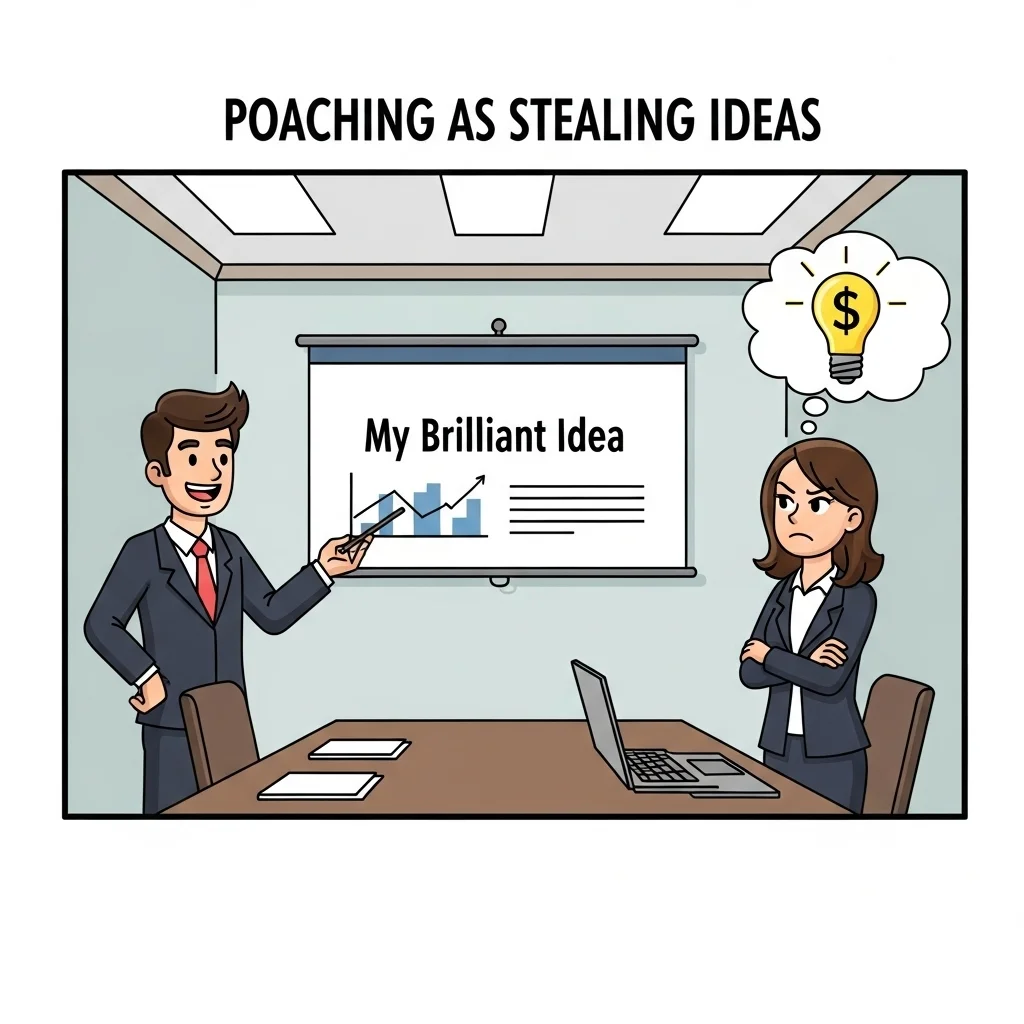
In business, poaching means hiring employees from a competing company, often in an aggressive or unethical way.
Poaching Meaning in the Workplace
Workplace poaching happens when companies try to attract skilled employees from rivals without fair practices.

Poaching Meaning in Sports
In sports, poaching can mean recruiting players unfairly or approaching them without proper permission.
Poaching Meaning in Legal Context
Legally, poaching usually refers to the illegal taking of wildlife or natural resources under the law.
Poaching vs Hunting
Hunting is legal when done with permission and within rules. Poaching is illegal and breaks regulations.
Poaching vs Stealing
Poaching is a specific type of illegal taking, often involving animals, employees, or resources, while stealing is more general.
Common Misunderstandings About Poaching
Many people think poaching only refers to cooking eggs. In reality, this is just one of several meanings.
Is Poaching Always Illegal?
No. Poaching in cooking is legal and common. Poaching becomes illegal in wildlife and certain business situations.
Poaching Meaning in News and Media
In news reports, poaching almost always refers to illegal wildlife activities.
Poaching Meaning in Modern Usage
Today, poaching is commonly used in environmental protection, business ethics, and culinary discussions.
Why Understanding Poaching Matters
Understanding poaching helps people avoid misuse of the word and better understand serious environmental and ethical issues.

Is Poaching Still a Global Issue in 2026?
Yes, wildlife poaching remains a major global concern in 2026, despite conservation efforts.