


What Is a SMART Goal Meaning?
A SMART goal is a structured way to set goals so they are clear and achievable. SMART is an acronym that outlines five key elements every effective goal should have.
What Does SMART Stand For?
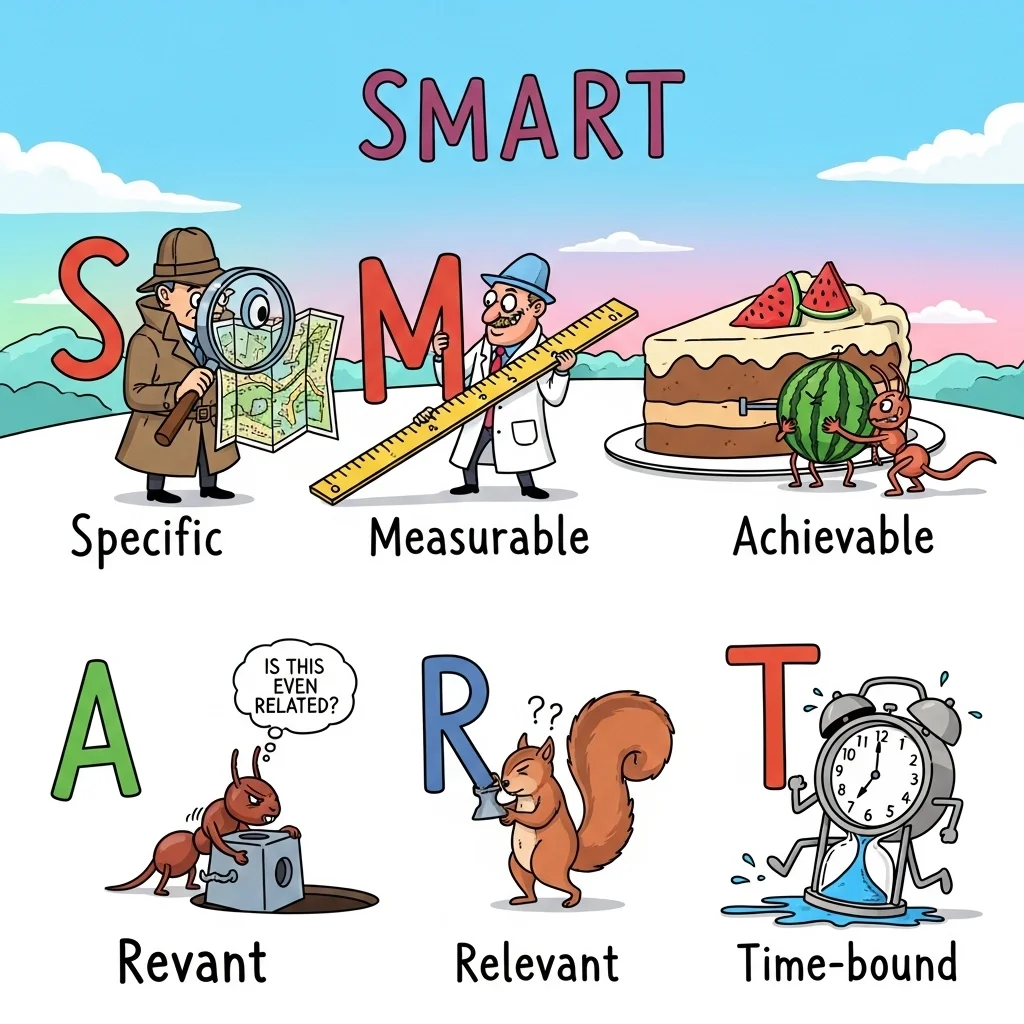
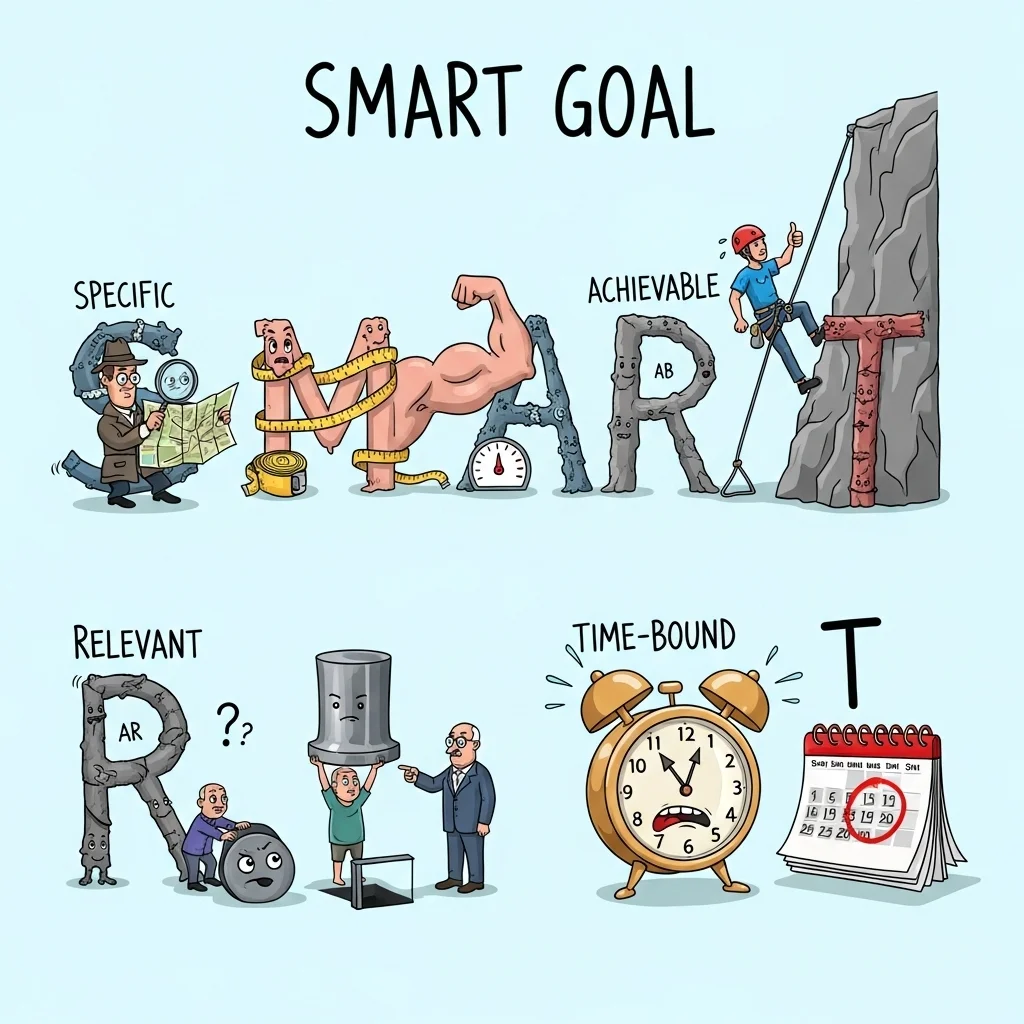
SMART stands for:
Specific
Measurable
Achievable
Relevant
Time-bound
Each part helps turn a general idea into a clear plan.
Specific in SMART Goals Meaning
A goal should be specific, meaning it clearly states what you want to achieve. Vague goals like “I want to be successful” are unclear, while specific goals give direction.
Measurable in SMART Goals
A measurable goal allows you to track progress. This could be numbers, milestones, or clear indicators of success.
Achievable in SMART Goals Meaning
An achievable goal is realistic and possible with your current resources, time, and skills. Challenging goals are good, but impossible ones can lead to failure.
Relevant in SMART Goals
A goal should be relevant to your life, values, or long-term objectives. It should matter to you and align with your priorities.
Time-Bound in SMART Goals
A time-bound goal has a deadline. This creates urgency and helps you stay focused instead of delaying action.
SMART Goal Meaning in Simple Terms
In simple terms, a SMART goal is a goal that is clear, trackable, realistic, meaningful, and has a deadline.
Why SMART Goals Are Important
SMART goals help you stay organized, motivated, and focused. They reduce confusion and increase the chances of success.
SMART Goals in Daily Life
You can use SMART goals for fitness, health, finances, or personal growth. For example, instead of saying “I want to exercise,” you set a specific workout plan with a timeline.
SMART Goals in Work and Career
In professional settings, SMART goals help improve performance, productivity, and career growth by setting clear expectations.
SMART Goals in Education
Students use SMART goals to improve study habits, grades, and learning outcomes by setting clear academic targets.
SMART Goals in Business
Businesses use SMART goals to plan strategies, track performance, and achieve measurable growth.
Examples of SMART Goals
An example of a SMART goal: “I will save $1,000 in six months by setting aside $170 each month.”
Common Mistakes with SMART Goals
Common mistakes include setting unrealistic goals, ignoring deadlines, or focusing on too many goals at once.
SMART Goals vs General Goals
General goals are vague and unclear, while SMART goals are structured and actionable, making them easier to achieve.
How to Write a SMART Goal
To write a SMART goal, define exactly what you want, how you will measure success, whether it is realistic, why it matters, and when it must be completed.
SMART Goals and Motivation
Clear goals increase motivation because progress is visible and success feels achievable.
SMART Goals in Modern Planning
Today, SMART goals are widely used in personal development, business planning, project management, and self-improvement.
Benefits of Using SMART Goals
Benefits include better focus, clearer direction, improved time management, and higher success rates.