
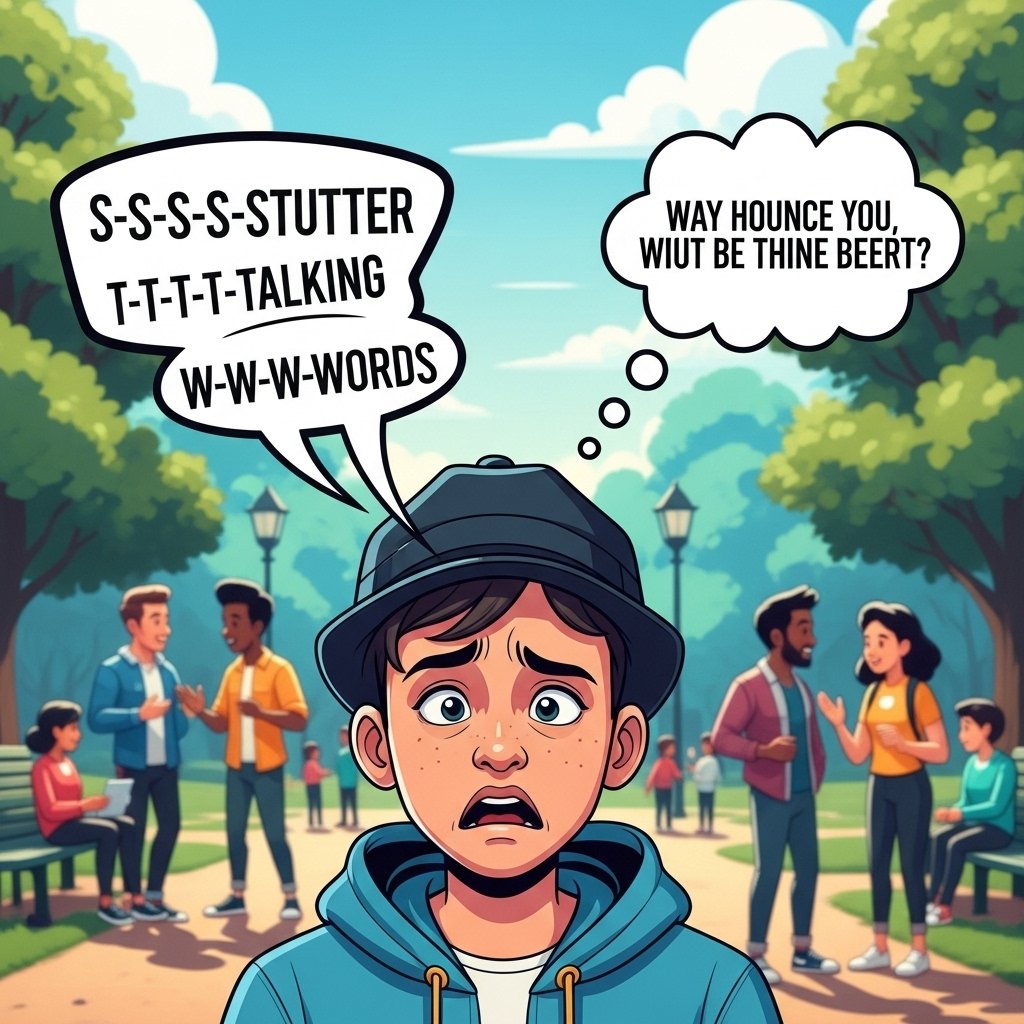

What Does Stuttering Mean
Stuttering is a speech disorder in which a person repeats, prolongs, or blocks sounds, syllables, or words, making speech uneven or interrupted.
It is also called stammering in some countries.
Stuttering Meaning in Simple Terms
In simple words, stuttering means having difficulty speaking smoothly, often repeating or stretching sounds unintentionally.
Example: “I w-w-went to the store” is a stuttered sentence.
Origin of the Word Stuttering
The word stutter comes from Middle English stutten, meaning to stumble or falter.
It has been used to describe speech difficulties for centuries.
Stuttering Meaning in Speech
Stuttering affects speech fluency, causing repetitions, prolongations, or pauses.
It can vary in severity from mild to severe.
Stuttering in Daily Life
People who stutter may struggle with communication in school, work, or social settings.
It can affect confidence and self-expression.
Stuttering Causes
Stuttering can be caused by:
Genetics: Family history of stuttering
Speech development issues in children
Neurological factors affecting speech control
Stress or anxiety, which can worsen stuttering
Stuttering Meaning in Children
Many children stutter temporarily during language development.
Most grow out of it, while some may continue into adulthood.
Stuttering Meaning in Adults
Adult stuttering can be persistent or arise after neurological events, such as stroke or trauma.
Therapy can help manage symptoms.
Stuttering vs Speech Hesitation
Stuttering is involuntary and repetitive, while hesitation is a normal pause when thinking.
Example: “Um, I think…” is hesitation, not stuttering.
Emotional Impact of Stuttering
Stuttering can cause frustration, embarrassment, or anxiety.
Supportive environments improve confidence.
Stuttering in Communication
Stuttering affects communication but does not reflect intelligence.
People who stutter are just as capable as fluent speakers.
Stuttering Therapy and Treatment
Therapy can include:
Speech exercises
Fluency techniques
Cognitive-behavioral therapy
Support groups
It helps reduce interruptions and improve confidence.
Stuttering Meaning in Education
Teachers and peers should understand that stuttering is not a sign of laziness or lack of effort.
Patience and support are key.
Common Misconceptions About Stuttering
Stuttering is not caused by nervousness alone
It is not a reflection of intelligence
It can be managed with therapy
Education reduces stigma.
Stuttering Meaning in Professional Life
Stuttering may affect oral presentations, phone calls, or interviews, but accommodations and practice help.
People can succeed professionally regardless of stuttering.
Stuttering in Media
Movies, TV, and social media often portray stuttering inaccurately.
Modern awareness encourages respectful representation.
Stuttering and Self-Acceptance
Understanding the stuttering meaning helps individuals accept themselves and build confidence.
Supportive communication environments reduce stress.
Modern Research on Stuttering
Recent research focuses on neurological patterns, genetics, and therapy techniques to help people manage stuttering effectively.
Progress is ongoing.
When to Seek Help for Stuttering
Seek help if:
Stuttering persists beyond childhood
It affects social or professional life
It causes emotional distress
Early intervention improves outcomes.
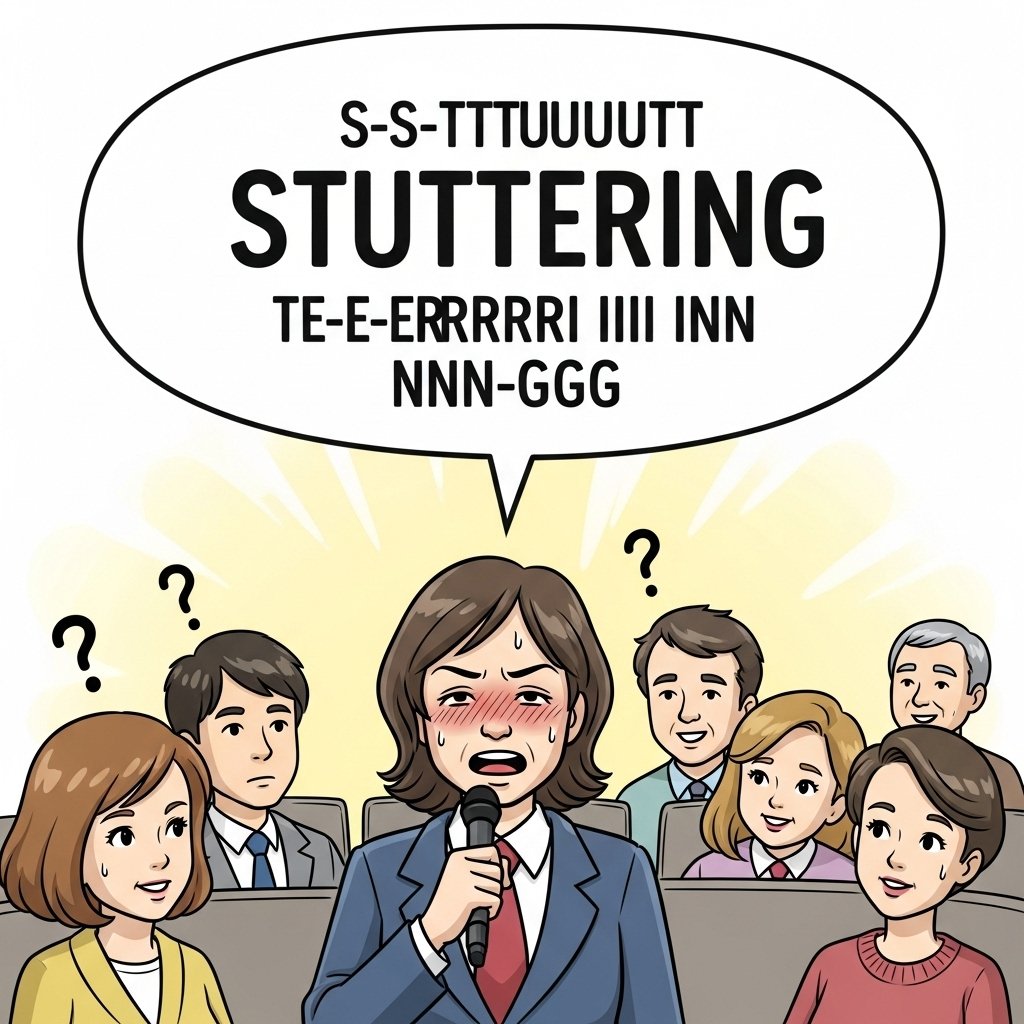
Why Understanding Stuttering Is Important
Understanding stuttering helps reduce stigma, misunderstanding, and discrimination.
It fosters empathy, support, and better communication.