What Is a Tagline Meaning?
A tagline is a concise phrase that represents a brand or product’s identity or promise. It is often used in marketing, advertising, and branding.
Simple Definition in Plain English
In simple words: a tagline is a short sentence that tells people what something is about.
Purpose of a Tagline
The main purpose of a tagline is to:
Be memorable
Communicate a message quickly
Make a brand stand out
Tagline in Marketing
In marketing, a tagline helps build brand recognition and connect with customers emotionally.
Difference Between Tagline and Slogan
A tagline represents the brand’s overall identity.
A slogan focuses on a specific campaign or product.
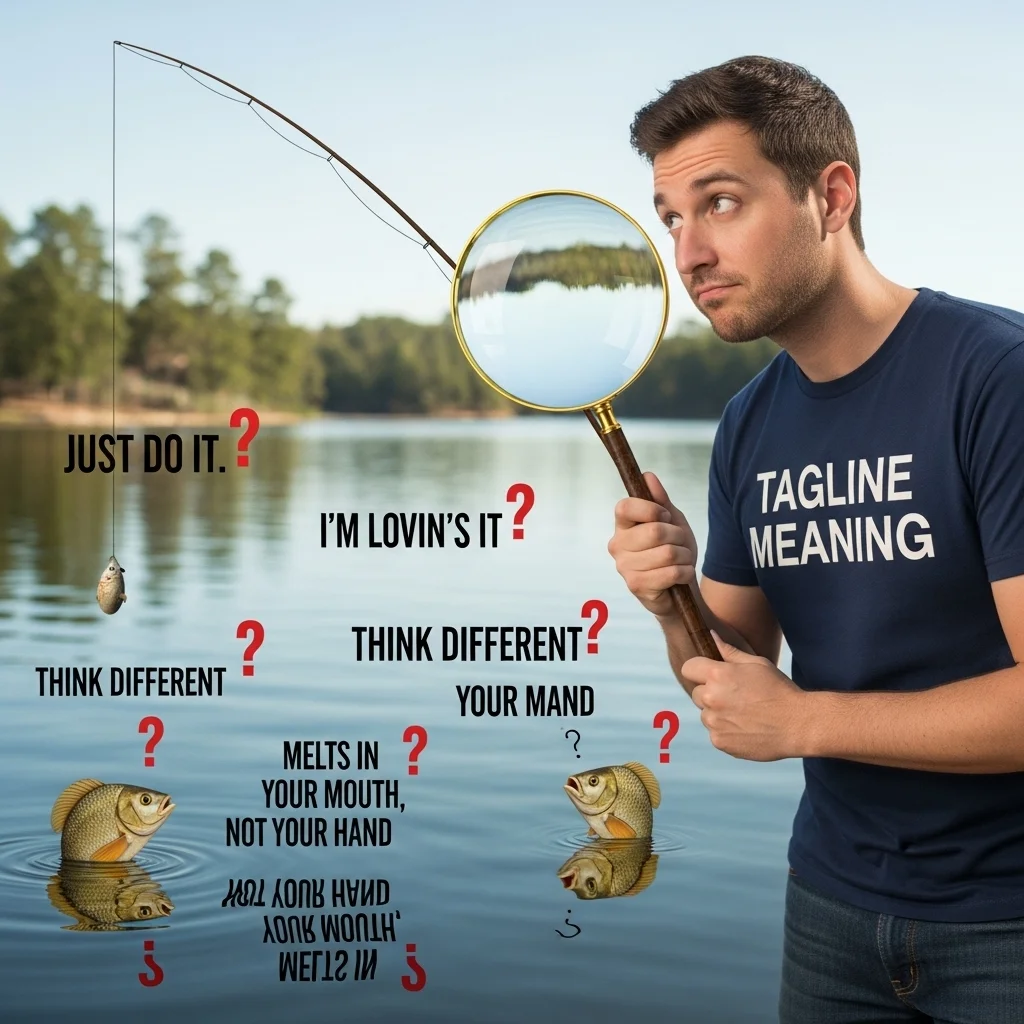
Examples of Famous Taglines
Nike: “Just Do It”
Apple: “Think Different”
McDonald’s: “I’m Lovin’ It”
How Taglines Work
A good tagline is short, clear, memorable, and meaningful. It should reflect the brand’s personality.
Tagline in Movies and Media
Movies often use taglines to attract viewers or hint at the story. Example: “In space, no one can hear you scream” (Alien).
Tagline in Websites and Apps
Websites and apps use taglines to communicate value instantly. Example: “Connecting the world” (LinkedIn).
Modern Usage of Taglines Meaning
Today, taglines are used in:
Social media
Startups
Personal branding
Marketing campaigns
Emotional Impact of a Tagline
A tagline often creates an emotional connection. It can inspire, motivate, or make people feel a certain way about a brand.
Examples of Famous Taglines
Nike: “Just Do It”
Apple: “Think Different”
McDonald’s: “I’m Lovin’ It”
How to Create an Effective Tagline
Keep it short
Make it easy to remember
Reflect the brand’s personality
Make it unique
Common Misunderstandings
Some people confuse taglines with slogans or mission statements. The key difference is focus and longevity: taglines last for years, slogans often change.
Tagline vs. Logo
A logo is visual, while a tagline is textual. Together, they strengthen a brand’s identity.
Tagline Meaning in Daily Life
Beyond marketing, people use taglines for:
Personal branding
Blogs or YouTube channels
Clubs or teams
When Not to Use a Tagline
Avoid using a tagline that is:
Too long
Confusing
Generic or boring
Cultural Understanding
Taglines work differently in cultures. Words that resonate in one language may not in another, so localization is important.
Benefits of a Good Tagline
Builds brand recognition
Communicates core values
Makes marketing more effective
Helps people remember your brand
Why Taglines Matter
In a world full of information, a tagline helps your brand or message stand out instantly.