
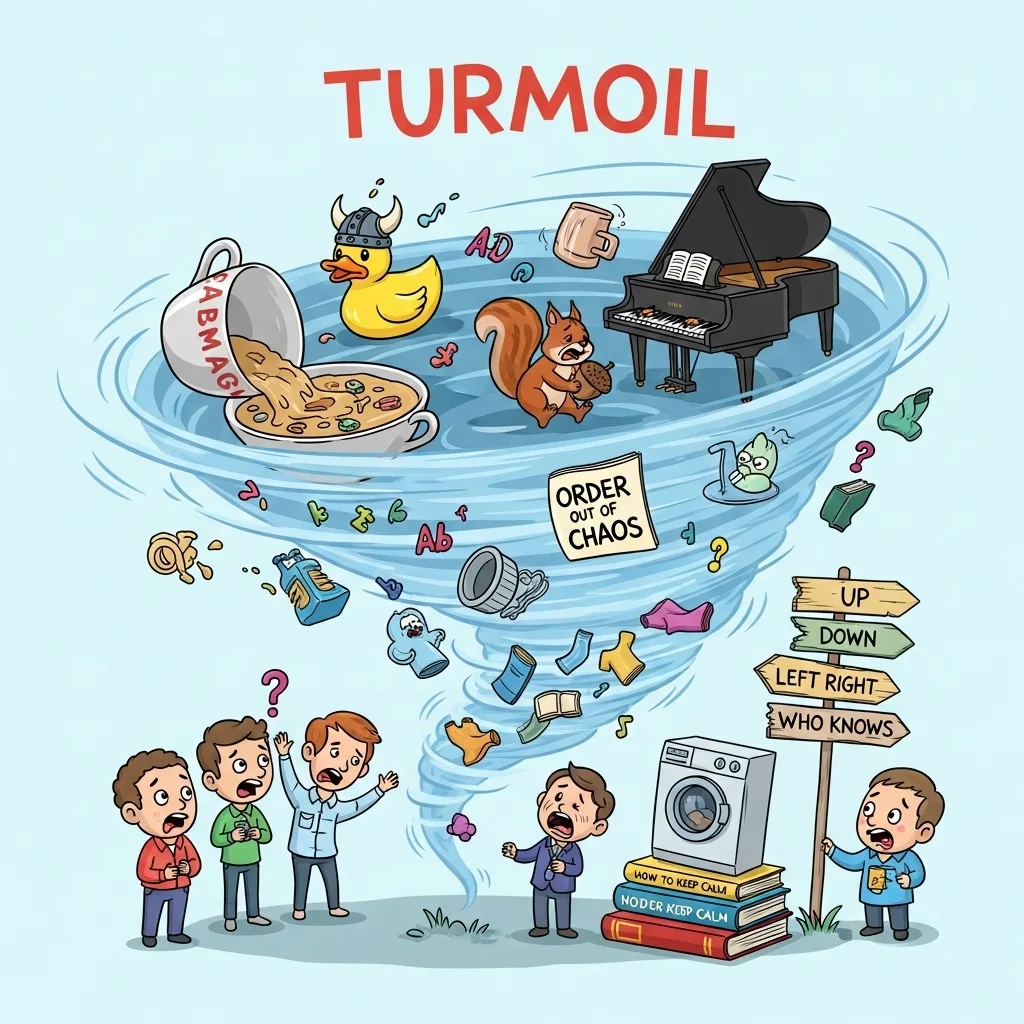

What Does Turmoil Meaning?
At its core, turmoil means confusion, disorder, or unrest. It describes situations where things are unstable, chaotic, or emotionally overwhelming.
Turmoil Meaning in Daily Life
In everyday conversation, turmoil often refers to emotional stress or personal confusion. For example, someone might say, “She is in turmoil after losing her job,” meaning she feels upset and unsettled.
Turmoil Meaning in Society
The word can also describe larger situations, like social or political unrest. For instance, protests, economic crises, or political scandals are often described as creating turmoil in a society.
Emotional Turmoil
Emotional turmoil refers to inner confusion, anxiety, or stress. People experiencing emotional turmoil might feel conflicted, worried, or unsure about decisions in their lives.
Mental Turmoil
Similar to emotional turmoil, mental turmoil focuses on the mind. It can involve overthinking, stress, or being unable to focus due to chaotic thoughts.
Financial Turmoil
Financial turmoil refers to economic instability, either for an individual or an entire country. Examples include sudden debt, stock market crashes, or unstable income situations.
Political Turmoil
Political turmoil happens when governments or leaders face conflicts, protests, or scandals. It often leads to uncertainty and instability in a country.
Turmoil vs. Chaos
While turmoil and chaos are similar, turmoil often implies ongoing disturbance, not just sudden disorder. Chaos may happen quickly, but turmoil can last for days, months, or even years.
Common Misunderstandings About Turmoil
Some people confuse turmoil with temporary frustration or minor problems. True turmoil is more serious—it involves deeper confusion, unrest, or instability.
Turmoil in Literature
Writers often use turmoil to describe dramatic situations or character struggles. For example, a novel may show a character in turmoil after a life-changing event.
Turmoil in History
Historical events like wars, revolutions, or social upheavals are often described as periods of turmoil due to widespread disorder and uncertainty.
Modern Usage of Turmoil
In modern news or social media, turmoil is often used to describe global or local crises, political scandals, or economic instability.
Synonyms for Turmoil
Common synonyms include disorder, confusion, unrest, upheaval, turbulence, and chaos. Each has slightly different shades of meaning depending on context.
Antonyms for Turmoil
Antonyms include calm, stability, peace, order, and tranquility. Using these words helps convey the opposite of turmoil clearly.
Turmoil in Relationships
Relationship turmoil happens when misunderstandings, arguments, or emotional conflicts create tension. People may feel stressed or unsettled until the issues are resolved.
Turmoil at Work
Work-related turmoil refers to conflicts with colleagues, job insecurity, or sudden changes in responsibilities that create stress or instability.
Turmoil in Nature
Even nature can experience turmoil. Storms, natural disasters, or chaotic environmental conditions are sometimes described as creating turmoil.
Idioms with Turmoil
While not common in idioms, people might say “in the midst of turmoil” to describe being surrounded by disorder or stress.
How to Cope with Turmoil
Coping strategies include staying calm, organizing priorities, seeking support, and focusing on solutions rather than stress. Awareness and patience can help reduce personal turmoil.

Summary of Turmoil Meaning
Turmoil is a versatile word used to describe emotional, mental, social, political, or financial disorder. Recognizing its meaning in different contexts makes communication clearer and more precise.